



The 'All-or-Nothing' Trap
We’ve all been there. You eat one extra gulab jamun and suddenly think, 'Well, I've already blown my diet, so I might as well have three more'. This is the 'all-or-nothing' or rigid mindset. It frames food as either 'good' or 'bad', and any deviation
from a perfect plan is seen as a total failure. This approach often backfires, leading to feelings of guilt, stress, and cycles of restriction followed by overeating. Research suggests that this rigid control is associated with higher anxiety and a less healthy relationship with food. Instead of helping you reach your goals, it creates an unhealthy cycle that's difficult to break.
Embracing a Flexible Mindset
A flexible mindset is the antidote to rigid dieting. It's not a specific diet, but an approach to eating that prioritises balance and sustainability over perfection. The core idea is that all foods can fit into a healthy lifestyle. You don't have to eliminate your favourite festive dishes. Instead, you learn to incorporate them mindfully. This approach is about making conscious choices, not following restrictive rules. It acknowledges that food is also about culture, celebration, and joy. Studies show that people with a flexible approach to nutrition tend to have better long-term success with weight management and a healthier psychological outlook.
Practical Tips for Festive Feasting
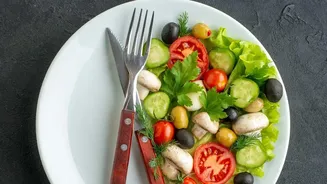
Putting flexibility into practice is simpler than it sounds. Start by not skipping meals before a big feast, as this often leads to overeating later. When you're at the dining table, use a smaller plate and try to fill half of it with salads or vegetables first. This provides fibre and nutrients, helping you feel full. Prioritise the treats you truly love and want to enjoy, rather than sampling everything out of obligation. Most importantly, eat slowly and mindfully. Savour each bite without distraction, which allows your body to register fullness and increases your satisfaction from a smaller portion.
Listen to Your Body's Cues
A key part of flexible nutrition is learning to trust your body. This practice, often called intuitive eating, involves paying attention to your natural hunger and fullness signals. Before reaching for a second helping, pause and ask yourself if you're truly still hungry or just eating because the food is there. Often, we mistake thirst for hunger, so staying hydrated with water throughout the day can also prevent unnecessary snacking. By honouring your body's cues, you empower yourself to make choices that feel good both physically and mentally, free from the guilt imposed by external diet rules.
Life After the Feast
One indulgent meal, or even a few, does not derail your long-term health. The flexible mindset understands that consistency over time is what matters. If you indulge more than planned, the solution is not to restrict heavily the next day. Punishing yourself by skipping meals or doing excessive exercise only reinforces the harmful 'all-or-nothing' cycle. Instead, simply get back to your normal routine. Focus on a balanced breakfast, hydrate well, and incorporate some gentle movement like a walk. Health is a marathon, not a sprint, and a single festive meal is just one small, enjoyable step on that journey.