





Decoding the Shoulder Season
The 'shoulder season' is the sweet spot between the chaotic, expensive peak season and the unpredictable off-season. For Vietnam, this period varies by region due to its long geography. Generally, April-May and September-November are great times. Northern
Vietnam (Hanoi, Halong Bay) is pleasant in spring (March-April) and autumn (September-November). Central Vietnam (Da Nang, Hoi An) is best from February to May. For Thailand, the main shoulder seasons are April to June and September to October. These months offer a win-win: fewer crowds, lower prices, and reasonably good weather, though you might encounter occasional rain showers.
Mastering the Visa Game
Navigating visas is crucial. For Vietnam, Indian passport holders need a visa. The most convenient option is the e-visa, which you can apply for online before your trip for a fee of around $25 USD. This e-visa is typically valid for up to 90 days. Always apply at least two weeks in advance and carry a printed copy. Thailand, on the other hand, offers visa-free entry for Indian tourists. However, a recent change is important to note: from September 15, 2026, the visa-free stay period will be reduced from 60 days to 30 days. For most holidays, 30 days is more than enough, but it's a key detail for those planning longer backpacking trips.
Booking Flights Like a Pro
Your flight is likely the biggest single expense, so smart booking is key. The golden rule is to book at least 30 to 45 days in advance. Use flight comparison websites like Skyscanner or Google Flights to track fares. Flying on weekdays, particularly Tuesday to Thursday, can often be cheaper than on weekends. Also, consider flying into major hubs which might offer cheaper fares; for Vietnam, Ho Chi Minh City can sometimes be more affordable than Hanoi. Budget airlines like IndiGo, Thai AirAsia, and VietJet frequently have deals, so keep an eye on their websites.
Smart Stays: Hostels and Homestays
Accommodation costs can add up, but both countries are famous for budget-friendly options. Hostels are a backpacker's best friend, with dorm beds available for as little as ₹600-₹1200 per night in major cities. They are not just about saving money; they're social hubs perfect for meeting fellow travellers. For a more cultural experience, consider homestays, where you can stay with a local family. This offers an authentic glimpse into daily life and is often very affordable. In Vietnam, apps like Grab and Gojek (similar to Uber) for bike taxis are incredibly cheap for getting around cities, with rides costing as little as ₹20-₹40 per kilometre. In Thailand, using the BTS Skytrain and MRT in Bangkok is far cheaper than relying on taxis for every trip.
Eat for Less, Experience More
One of the best ways to save money and experience the local culture is through street food. In both Vietnam and Thailand, street food is not just cheap; it’s a culinary highlight. A delicious bowl of Pho in Vietnam or Pad Thai in Thailand can cost less than ₹150. Look for stalls where locals are eating—it’s usually a sign of good quality and fair prices. Convenience stores like 7-Eleven in Thailand are also a budget traveller's haven for affordable snacks, drinks, and even quick breakfast options. Drinking local beer, like Bia Hoi in Vietnam, can cost as little as ₹35-₹50, a fraction of the price of imported drinks.
Activities Without the Hefty Price Tag
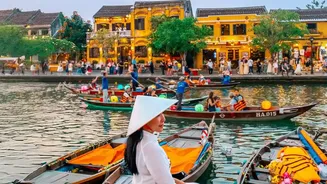
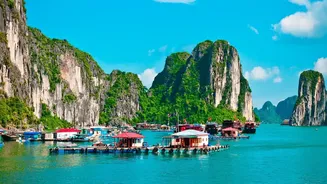
You don't need to spend a fortune on activities. Both countries have numerous free attractions. In Vietnam, you can wander through Hanoi's Old Quarter, relax on My Khe Beach in Da Nang, or soak in the atmosphere of Hoi An's ancient town. In Thailand, many temples have free entry, and simply exploring vibrant markets is an experience in itself. For paid tours, like a trip to Halong Bay or Thai island hopping, consider booking through local agents in person rather than online, as you can often negotiate a better price. Sharing costs for things like long-tail boat rentals with other travellers is another effective way to save.