






Another Year, Another Pre-Festive Hike
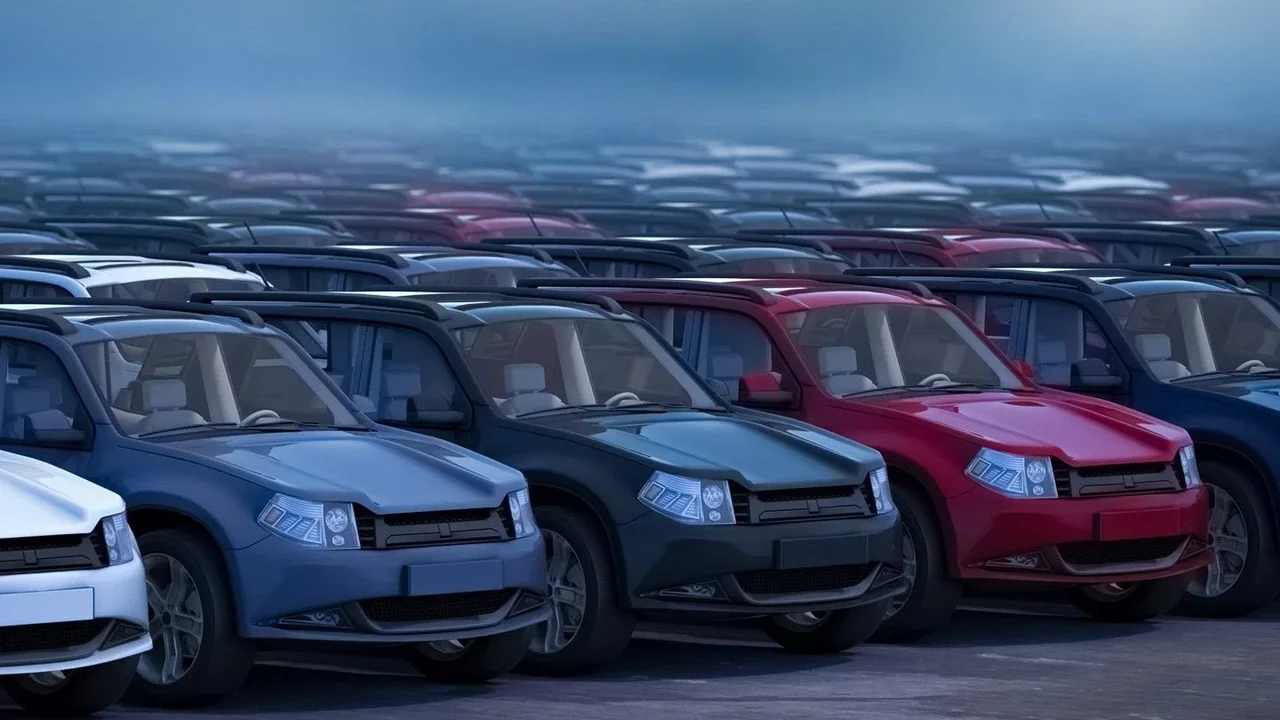
It has become a familiar pattern for prospective car buyers in India. As the festive season approaches—a period traditionally marked by high consumer spending and attractive deals—automakers announce a fresh round of price increases. August and September
2026 are no different. Major players including Maruti Suzuki, Hyundai, and Tata Motors have all confirmed that their vehicles will become more expensive. This timing is strategic; it allows companies to adjust for rising costs before the high-demand months of Onam, Dussehra, and Diwali, when showrooms are at their busiest. For consumers, it creates a dilemma: rush to buy before the new prices kick in or wait for festive discounts that might be applied to a higher base price.
Why Are Car Prices Climbing Again?
Automakers are consistently pointing to one primary driver for these hikes: rising input costs. This isn't just a simple phrase; it refers to the increasing prices of raw materials essential for manufacturing, such as steel, aluminum, and precious metals used in components like catalytic converters. On top of this, sustained inflationary pressure, higher operational expenses, and global macroeconomic uncertainties are adding to the financial burden on car companies. Some manufacturers have stated they have been absorbing a significant portion of these increased costs to remain competitive, but the persistent pressure has forced them to pass a part of the burden onto customers. For instance, Tata Motors specifically mentioned foreign exchange volatility as a contributing factor, while others have pointed to logistics and component costs.
Which Brands Will Cost You More?
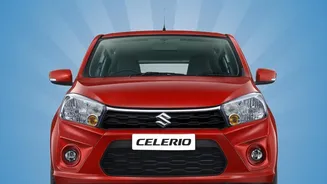
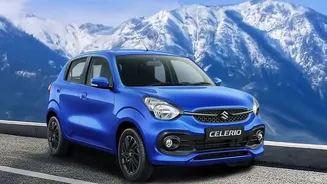
The price revisions are not uniform and vary across brands, models, and even specific variants. Maruti Suzuki, the country's largest carmaker, increased prices by up to ₹30,000 from August 2026. The hike was steepest for the Baleno, while entry-level models like the Alto K10 and S-Presso saw a more modest increase of around ₹2,500. Following this, Hyundai Motor India announced a price increase of up to 1% across its entire portfolio, effective from September 2026. This includes popular models like the Creta, Venue, and i20. A 1% increase could mean a car priced at ₹10 lakh may cost up to ₹10,000 more. Tata Motors also joined in, announcing a price increase of up to ₹25,000 from September 1, which will apply to both its petrol/diesel cars and its electric vehicle range. Other brands like Mahindra & Mahindra had already raised prices earlier in July.
What This Means for Your Budget
A price hike of ₹25,000 or 1% might not seem enormous on its own, but it has a ripple effect on the total cost of ownership. The ex-showroom price is the base on which other charges are calculated. A higher ex-showroom price leads to increased registration costs and higher insurance premiums, pushing the final on-road price up even further. For those planning to take a loan, this means a larger principal amount, which translates to a higher Equated Monthly Instalment (EMI) or a longer loan tenure. It is a crucial factor to consider when planning your finances, as even a small percentage increase can add a significant amount to your long-term financial commitment.
Should You Buy Now or Wait?
This is the key question for anyone currently in the market for a new car. There is no single right answer, as the best decision depends on your priorities and financial situation. Buying before the September hikes take effect could save you from the immediate price increase. However, you might miss out on special festive offers, which typically include discounts, exchange bonuses, and attractive financing schemes that dealers roll out from September onwards. Waiting for the festive season could mean access to better deals, but these will be applied to the newly inflated prices. Experts suggest that manufacturers will still likely offer incentives to attract customers during the festive rush. The best strategy is to do your homework now. Shortlist the models you are interested in, check their current on-road price, and then compare it with the expected post-hike prices and potential festive offers to see which option provides better overall value.