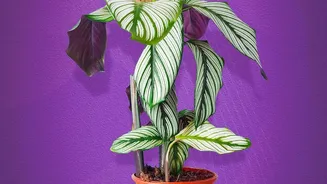


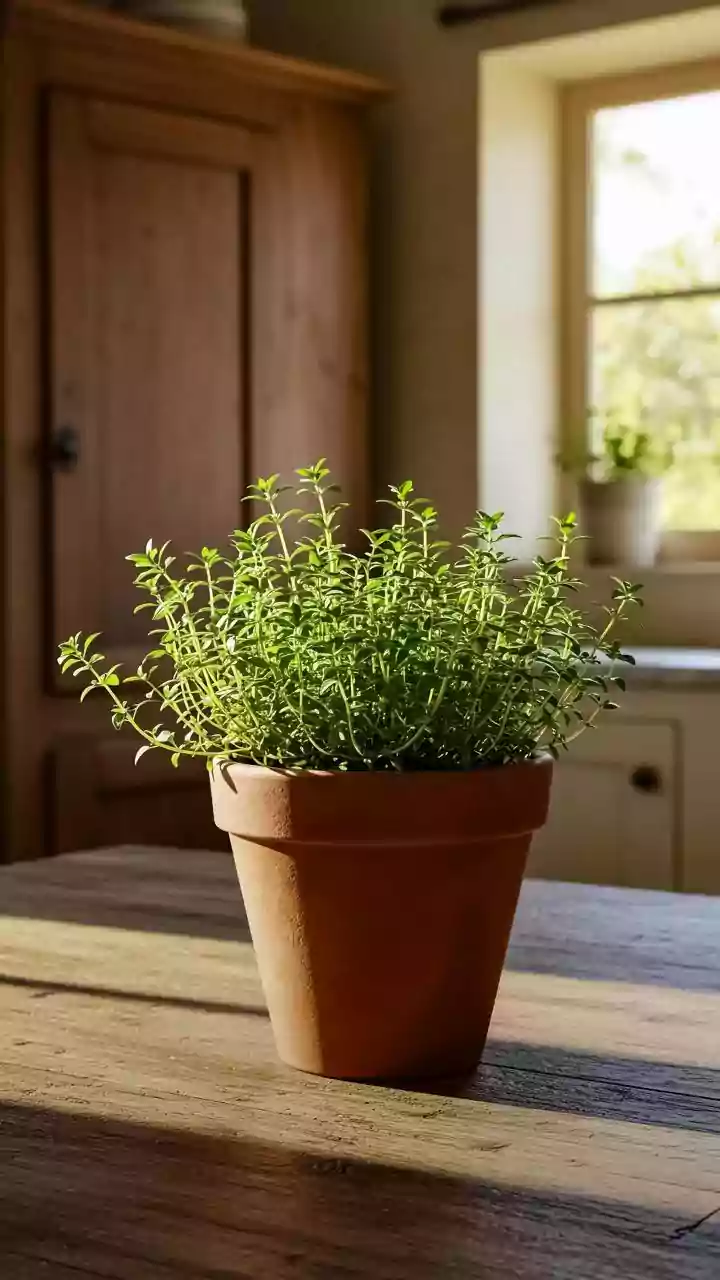



The Green Promise from Space
The belief that houseplants are tiny, green air purifiers largely stems from a famous 1989 NASA study. Facing the challenge of purifying air in sealed environments like space stations, researchers found that common houseplants could effectively remove
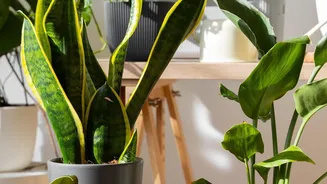
volatile organic compounds (VOCs) from small, enclosed chambers. VOCs are gases emitted from thousands of common household products, including paints, cleaners, furniture, and even air fresheners, and can include harmful chemicals like formaldehyde and benzene. The study was a landmark, suggesting that nature's own life support system could be used to create healthier indoor spaces. The list of top-performing plants, including the Snake Plant, Spider Plant, and Peace Lily, became a go-to for health-conscious homeowners.
A Reality Check for Real Homes
The problem, as subsequent research has pointed out, is that your living room is not a sealed space station. The NASA study's conditions—a small, airtight chamber with no ventilation—are a far cry from the dynamics of a typical home, where air is constantly exchanged with the outdoors through windows, doors, and ventilation systems. This constant air exchange, known as the air exchange rate, is already doing a significant amount of work to dilute and remove indoor pollutants. More recent analyses have concluded that, in a normal home environment, the air-cleaning effect of a few potted plants is negligible compared to simple ventilation.
The Numbers Don't Lie
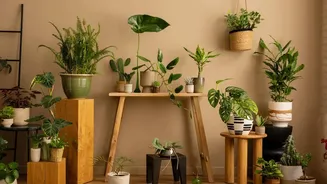
So, how many plants would it take to actually make a difference? The answer is staggering and, for most, impractical. Research reviews and follow-up studies have crunched the numbers, and the conclusion is consistent: you would need a veritable indoor jungle. One 2019 analysis concluded you'd need between 10 and 1,000 plants per square meter of floor space to achieve the same air purification rate as a building's standard ventilation system. To put that in perspective, a small 500-square-foot apartment would require thousands of plants to see a significant impact on air quality. While some reports suggest as few as 15-18 plants for an 1,800-square-foot home, the scientific consensus is that a much higher density is needed to compete with other air-cleaning methods.
Don't Ditch Your Plants Just Yet
Even if your ficus isn't a powerful air filtration machine, it's far from useless. The benefits of having plants indoors extend well beyond their limited impact on VOCs. Numerous studies have confirmed the psychological and wellness advantages of indoor greenery. Caring for plants has been shown to reduce stress, improve mood, and boost feelings of well-being. Being around plants can make us feel more comfortable and soothed. This connection to nature, sometimes called biophilia, is a powerful tool for creating a calming and restorative home environment. Plants can also help regulate humidity through a process called transpiration, which can be beneficial in dry indoor climates.
A Breath of Fresh Air: The Best Strategy
For truly clean indoor air, it's best to adopt a multi-pronged strategy. Love your plants for the beauty and tranquility they provide. For air purification, however, focus on more effective methods. The first and most impactful step is source control: reducing the number of products that release VOCs into your home in the first place. When possible, choose low-VOC paints, furnishings, and cleaning supplies. The second, and simplest, method is ventilation. Regularly opening windows to allow fresh air to circulate is one of the most effective ways to reduce indoor pollutant concentrations. For those with significant concerns or allergies, a mechanical air purifier with a HEPA filter for particles and an activated carbon filter for gases is a proven solution.