






Hanle, Ladakh: The Official Dark Sky Sanctuary
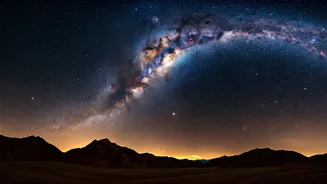
Perched at an astonishing 14,764 feet in the Himalayas, Hanle is not just a place to see stars—it's officially recognized for it. In 2022, it was designated as India's first-ever Dark Sky Reserve, a testament to its pristine, unpolluted skies. The air
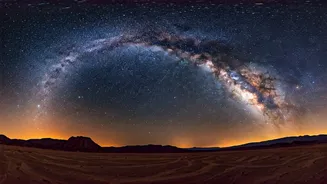
here is so thin and dry that it feels like there's nothing between you and the cosmos. Home to the Indian Astronomical Observatory, one of the world's highest, Hanle offers astronomers and amateurs alike a front-row seat to celestial wonders. The experience is surreal: a stark, lunar landscape under a blanket of stars so dense you can see the galactic core with the naked eye. The silence of the Changthang plateau, broken only by the wind, makes the spectacle all the more profound. Plan your trip between May and September for the clearest views before the harsh winter sets in.
Spiti Valley, Himachal Pradesh: A High-Altitude Desert Dream
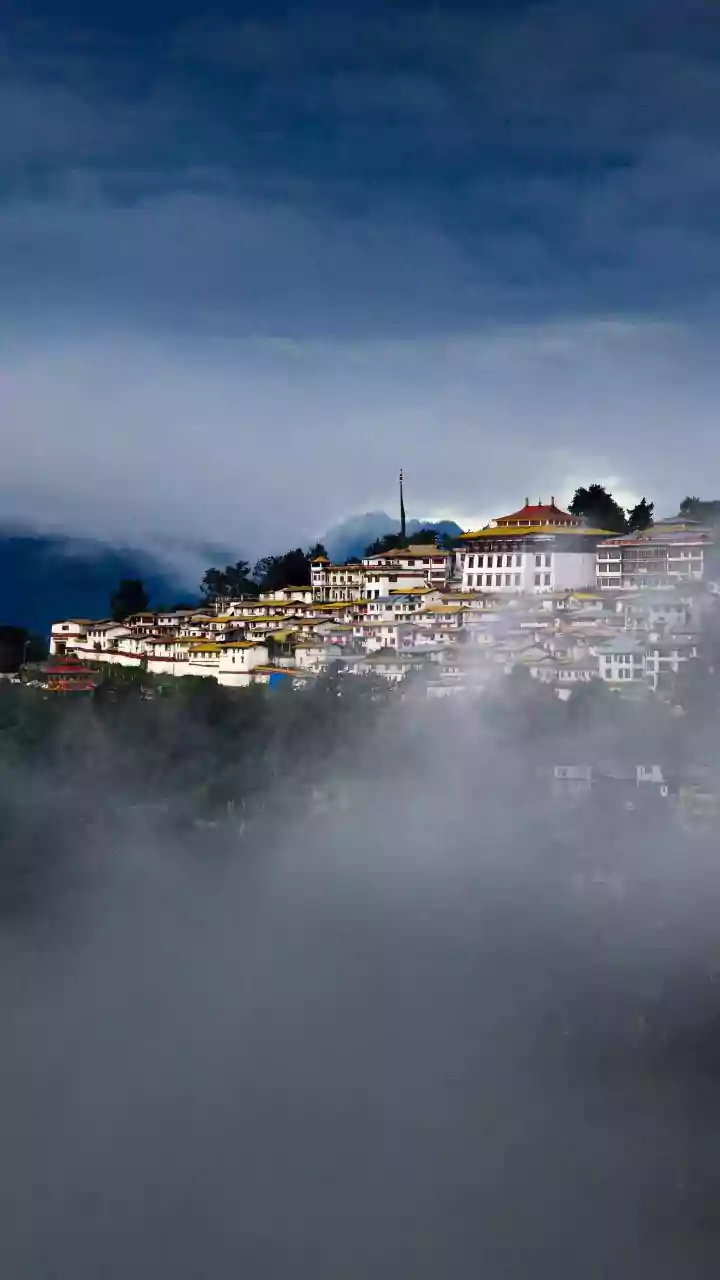
Spiti Valley is a world unto itself. A cold desert cut off from the world for much of the year, its isolation is a gift for stargazers. The region’s high altitude and minimal precipitation result in exceptionally clear nights. Villages like Kaza, Kibber, and Tabo serve as bases for travelers seeking otherworldly nightscapes. The true magic of Spiti lies in the juxtaposition of ancient culture and infinite space. Imagine standing before the thousand-year-old Key Monastery, its silhouette outlined against the shimmering band of the Milky Way—it’s a spiritual and astronomical experience rolled into one. The roads to Spiti are an adventure, but the reward is a view of the heavens that feels both ancient and immediate. The summer months, from late May to early October, offer the most accessible and comfortable conditions for this high-altitude journey.
Rann of Kutch, Gujarat: A Celestial Sea of Salt
For a truly unique stargazing experience, head to the Great Rann of Kutch. This vast expanse of cracked earth and salt marsh in western India transforms into an ethereal white desert after the monsoon recedes. By night, under a moonless sky, the boundary between the white earth and the star-filled heavens seems to dissolve. The sheer flatness of the terrain provides an uninterrupted 360-degree panoramic view of the sky. Lying on the cool salt flats and watching meteor showers or the Milky Way arc across the entire horizon is an unforgettable sensation. While the region is famous for the Rann Utsav festival (held from November to February), the clear winter skies during this period are the main event for astronomers. It’s a landscape that feels alien, making the cosmic display above feel even closer.
Coorg, Karnataka: The Southern Starscape
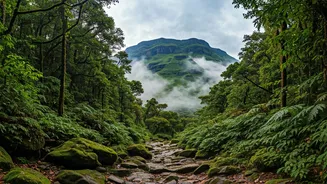
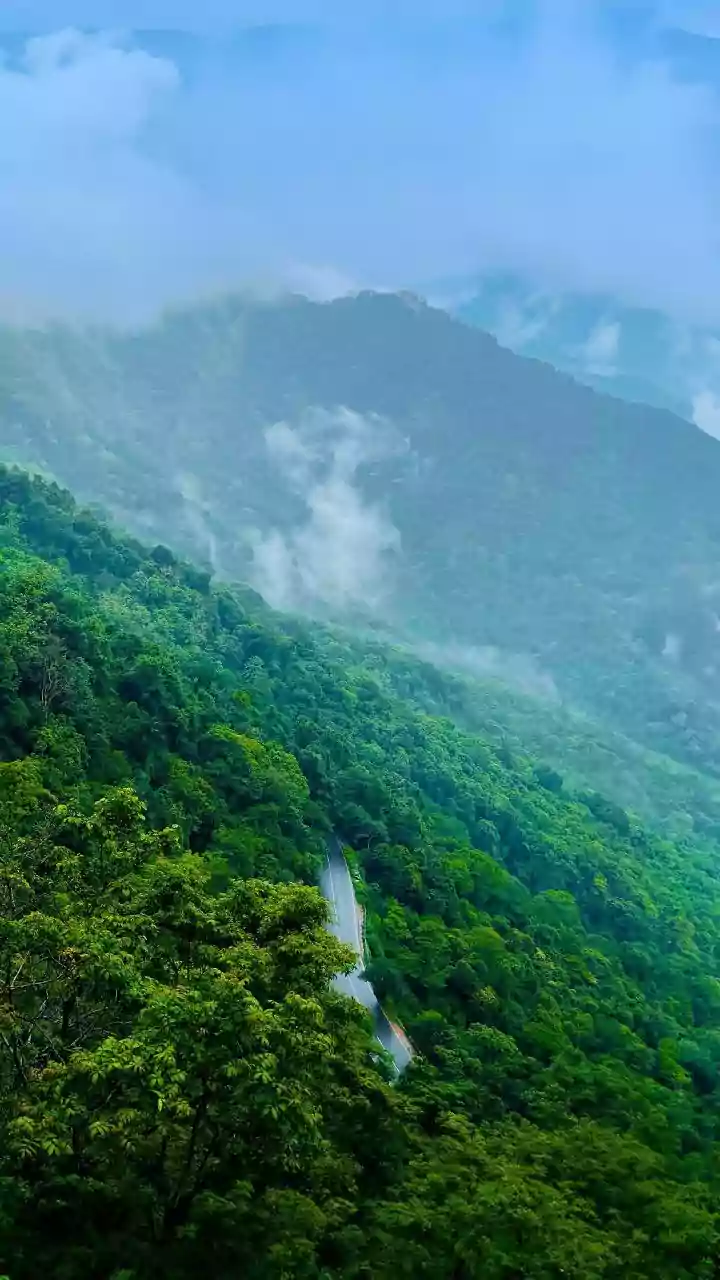
You don't always have to venture into a high-altitude desert for a great view. Nestled in the lush Western Ghats of southern India, Coorg (also known as Kodagu) offers a more accessible yet brilliant alternative. Known for its rolling hills, verdant coffee plantations, and misty mornings, Coorg's remote corners are surprisingly dark. Away from the main towns of Madikeri or Virajpet, hilltops like Mandalpatti or the trails around Tadiandamol peak provide stunning vantage points. The air, fresh with the scent of coffee blossoms and spices, is clear and free from major city pollution. It's a perfect destination for those who want to combine a relaxing vacation with some serious stargazing. The post-monsoon period from October to March offers the best odds for cloudless nights to see the galaxy rise over the green hills.
Neil Island, Andaman Islands: A Tropical Cosmos
For a truly off-the-grid experience, set your sights on the Andaman and Nicobar Islands in the Bay of Bengal. Neil Island (Shaheed Dweep) is a tranquil paradise with minimal development and, consequently, very little light pollution. Here, the stargazing experience is set to the soundtrack of gentle waves lapping on the shore. Head to a secluded spot on Laxmanpur Beach after sunset, lay back on the soft sand, and watch as the sky erupts with stars. The tropical location offers a different slice of the sky, with constellations visible that you might miss from the northern latitudes of the U.S. It’s a humbling reminder of nature’s grandeur, where the ocean’s expanse meets the infinite universe. For the driest weather and clearest skies, plan your island escape between December and April.