







The Crucial 'Retreating Monsoon'
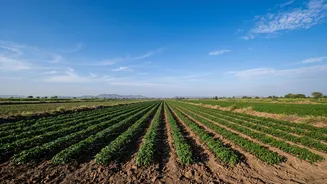
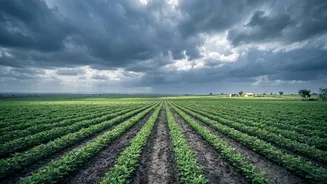
While the heavy rains of June, July, and August get the most attention, the rainfall in September—often called the 'retreating monsoon'—plays a dual role vital for India's agriculture. Firstly, it provides the final burst of water needed for standing
kharif (monsoon) crops to mature properly before they are harvested in October and November. Secondly, and just as importantly, these late rains are crucial for ensuring there is enough moisture in the soil for farmers to begin sowing the next cycle of rabi (winter) crops, such as wheat and mustard. A dry September can therefore create a double jeopardy: it can harm the current harvest and jeopardise the next one.
Kharif Crops on the Line
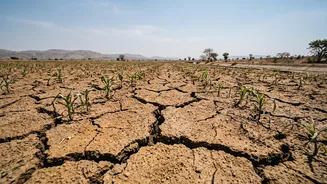
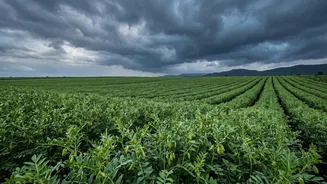
Several key kharif crops are in a vulnerable stage in September. This is the crucial grain-filling or maturation phase for staples like paddy (rice), pulses, maize (corn), soybeans, and cotton. A significant rainfall deficit during this period can directly impact the final yield, meaning a smaller harvest. According to the India Meteorological Department (IMD), September rainfall for the country as a whole is likely to be below normal, potentially less than 91% of the long-term average. Key agricultural belts in the east, north, west, and south have already been facing moisture stress after a volatile monsoon season. Continued dryness threatens to reduce output for critical commodities like rice, sugarcane, and various oilseeds.
A Dry Start for Winter Sowing
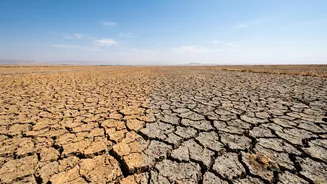
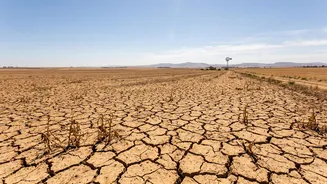
The impact of a weak September monsoon extends beyond the kharif harvest. The moisture left in the soil after the monsoon is a key factor for the successful sowing of rabi crops, which begins in October and November. These crops, including India's primary cereal grain, wheat, as well as mustard and chickpeas (gram), rely on this residual moisture for germination and early growth. If September is excessively dry, the soil becomes too hard and lacks the necessary water for sowing. This can force farmers to either delay planting, which can reduce yields, or rely more heavily on irrigation. However, poor monsoon rains also mean lower water levels in reservoirs, putting even irrigated farming under strain.
What This Means for Your Kitchen Budget
The connection between rainfall and the economy is direct and deeply felt in household budgets. A shortfall in the production of key staples like rice, pulses, and oilseeds inevitably tightens supplies. This supply-demand gap often leads to higher food prices. Experts have already flagged that another spell of weak rainfall could hit the prices of vegetables and edible oils particularly hard. Concerns over food inflation are rising, as a poor late monsoon could add pressure on prices that have already been accelerating. The government has already been taking measures, but a weaker-than-expected harvest could introduce fresh challenges in keeping food affordable for the common person.