






Why Less Sun Can Be a Good Thing
Many people believe that all herbs need six to eight hours of direct, blazing sun to produce flavourful leaves. While this is true for Mediterranean herbs like rosemary and thyme, many other popular herbs actually prefer cooler conditions and partial
shade. In fact, intense afternoon sun can cause some delicate herbs to 'bolt' (flower prematurely) or wilt. A balcony that gets three to five hours of morning sun or bright, indirect light all day provides the perfect environment for a surprising variety of culinary plants. The key is understanding that for many leafy herbs, consistent light is more important than intense light. Growing in pots also means slower water evaporation in the shade, making your watering routine a bit more forgiving.
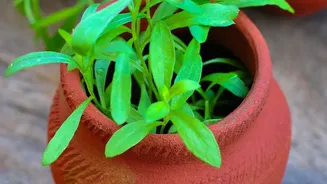
Mint (Pudina): The Shade-Loving Champion
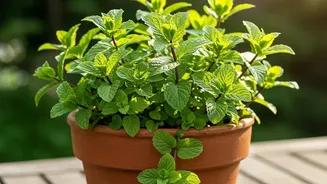
If there is one herb that almost seems to prefer the shade, it's mint. Known in India as Pudina, this vigorous herb is famously easy to grow and does exceptionally well in containers where its spreading nature can be controlled. Mint thrives in partially shaded spots with moist soil. It's an incredibly rewarding plant for beginners, as you can trim sprigs for chutneys, teas, and raitas, and it will quickly grow back fuller. Because it's so aggressive, always give mint its own pot to prevent it from taking over your other plants. It’s one of the best choices for a shady corner that still gets some bright, indirect light.
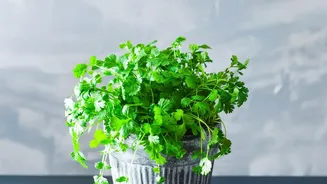
Coriander (Dhania): Beat the Heat in the Shade
Fresh coriander, or dhania, is a staple in Indian kitchens, but it can be tricky to grow in hot weather because it bolts quickly. This is where a low-light balcony becomes a secret weapon. By growing coriander in a spot with morning sun and afternoon shade, you can keep the plant cooler and prolong its leafy harvest season. It prefers well-draining soil and consistent moisture but dislikes being waterlogged. For a continuous supply, it's best to sow a new batch of seeds every few weeks. Growing it in the relative cool of a shaded space can give you lush, flavourful leaves for much longer.
Parsley: The Resilient Kitchen Staple
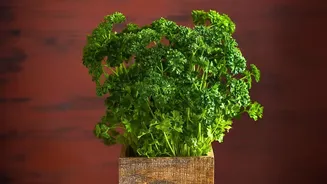
Both flat-leaf and curly parsley are surprisingly tolerant of lower light conditions. While they appreciate a good amount of sun, they can still produce a perfectly usable harvest with just a few hours of direct light, particularly morning sun. Parsley is a biennial, meaning it has a two-year life cycle, but it is often grown as an annual for its fresh leaves. It has a long taproot, so give it a deeper pot than you might think it needs to allow for healthy root development. Its ability to thrive in partial shade makes it a reliable addition to any balcony garden.
Chives: The Forgiving Flavour-Booster
Chives are one of the most forgiving and adaptable herbs you can grow. A member of the onion family, they offer a mild onion or garlic-like flavour perfect for garnishing dals, salads, and eggs. Chives do well with just a few hours of sun and will happily grow in a partially shaded spot on your balcony. They are perennials, meaning they will come back year after year with minimal fuss. Harvest by snipping the green shoots about an inch from the base; this encourages the plant to keep producing new growth. Their resilience and low light tolerance make them a must-have for beginner gardeners.
Lemon Balm: The Aromatic Tea Herb
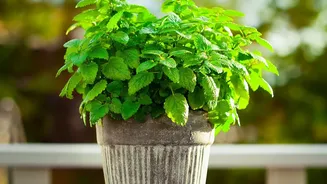
While not as common in Indian cooking, lemon balm is a delightful herb from the mint family that thrives in partial shade. As its name suggests, it has a wonderful citrusy aroma and is perfect for making fresh herbal teas or adding a zesty note to drinks and salads. Like its cousin mint, lemon balm can be a vigorous grower, so it's best kept in a container. It actually benefits from some protection from intense sun, which can scorch its leaves, making it another ideal candidate for a less-than-sunny balcony.