





Why a 'Fridge Treaty' Matters
Whether in a shared flat or an office breakroom, the communal refrigerator is ground zero for potential conflict. From fuzzy, unidentifiable leftovers to the frustrating disappearance of your lunch, a poorly managed fridge can strain relationships. Establishing
a formal or informal 'fridge treaty' isn't about being restrictive; it's about fostering respect, reducing food waste, and preventing arguments. A clear set of rules ensures fairness, cleanliness, and saves everyone the mental energy of wondering if their food is safe or if they'll be met with a mess. It transforms the fridge from a chaotic free-for-all into a functional, respected shared utility.
The Foundation: Labelling and Dating
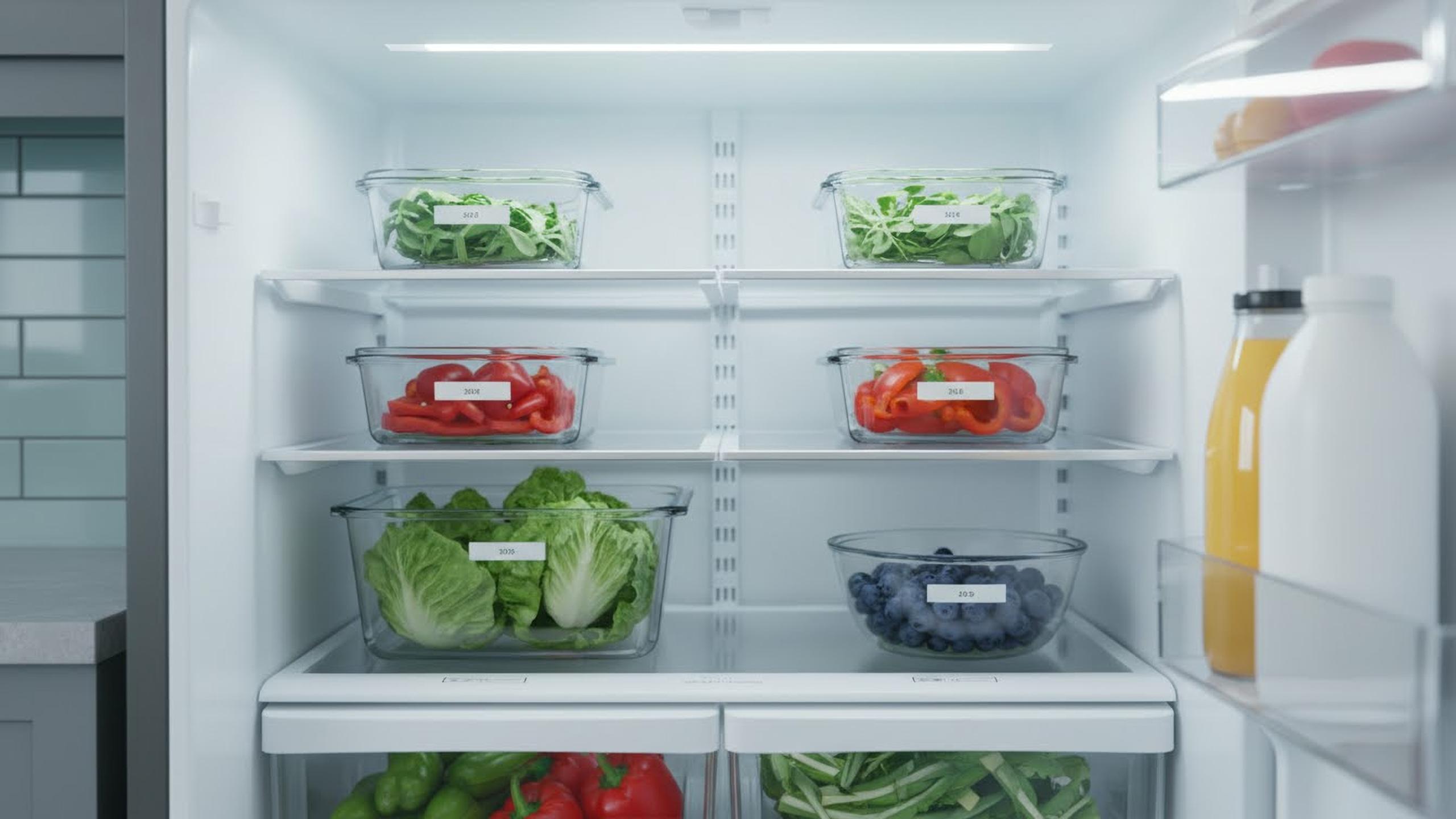
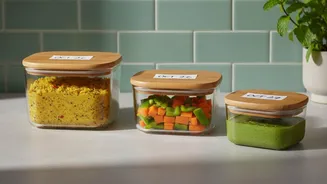
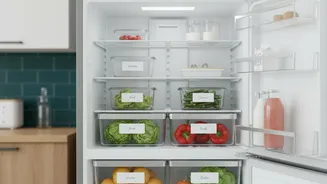
The single most effective rule for any shared fridge is mandatory labelling. Keeping a roll of masking tape and a permanent marker next to the fridge is a simple, low-cost solution. Every item that isn't explicitly communal should be labelled with a name and the date it was placed in the fridge. This simple act solves multiple problems at once: it discourages accidental 'borrowing', makes it easy to identify the owner of spoiling food, and helps everyone keep track of what's fresh. For items with a short shelf life, adding a 'use by' date is even better, as it signals when something is nearing its end and might be up for grabs if the owner doesn't claim it.
Zoning Your Fridge: The Shelf System
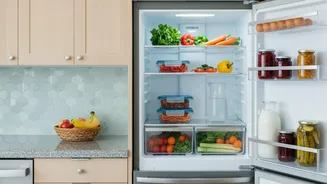
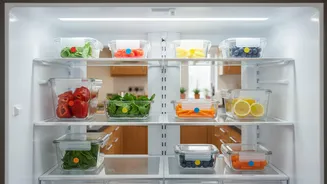
To prevent one person's grocery haul from overwhelming the entire space, assigning zones is crucial. This can be done in several ways. For smaller groups, each person can be assigned a specific shelf or a section of a shelf. In an office setting or a larger household, it might make more sense to zone by food type: one shelf for drinks, one for leftovers, and so on, with personal items still clearly labelled. A universally popular idea is to designate a 'communal' area, often the fridge door, for shared items like condiments, butter, or milk that everyone agrees to chip in for. This reduces redundant purchases and saves valuable shelf space.
Establishing a Cleaning Rota
Even with perfect etiquette, fridges get dirty. Spills happen. To avoid the build-up of grime and resentment, a cleaning schedule is a must. This doesn't have to be a monumental task. The agreement should state that individuals are responsible for cleaning their own spills immediately. Beyond that, a rotating schedule for a weekly or bi-weekly deep clean keeps the appliance hygienic and pleasant for everyone. This task can involve wiping down shelves, checking for expired items, and ensuring the interior is free of mould and old food residue. Posting the rota on the fridge itself makes it transparent and keeps everyone accountable.
The 'To-Be-Tossed' Protocol
One of the biggest sources of tension is dealing with abandoned and expired food. A clear protocol removes the guesswork and avoids accusations. A common and effective rule is a weekly purge, often on a Friday. The agreement can state that any unlabelled items, or items well past their marked date, will be tossed at 4 p.m. on Friday without exception. For items that are labelled but appear to be forgotten or spoiled, a 'one warning' policy can work: attach a note giving the owner 24 hours to claim it before it's discarded. This system keeps the fridge from becoming a science experiment and ensures space is regularly freed up.
Putting the Agreement into Practice
The key to implementing a successful fridge agreement is communication and buy-in. Rather than posting a list of demands, call a house or team meeting to discuss the rules together. Frame it positively—as a way to make life easier and more pleasant for everyone. Be open to suggestions and flexible in the details; the goal is to create a system that everyone feels is fair and reasonable. Once the rules are agreed upon, type them up and post them clearly on or near the fridge. Leading by example and approaching the topic with courtesy rather than frustration will make it much more likely that your new fridge treaty brings lasting peace.