




A New Definition of Eating Out
The very concept of 'eating out' has been reshaped. It's no longer confined to a physical restaurant table. The pandemic acted as a massive accelerant, but the trend has sustained itself, fundamentally changing consumer habits. With the rise of sophisticated
food delivery platforms, a significant portion of what was once dine-in revenue now comes through apps. This has created a vibrant, hybrid market where 'eating out' can mean enjoying a restaurant-quality meal on your own sofa. This shift from physical-first to a blended model has opened the door for a new wave of food businesses, many of which are local, smaller, and more agile than their multinational counterparts.
The Search for Authentic Flavours
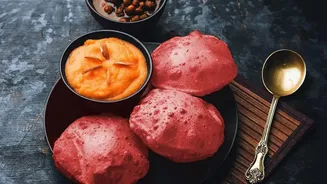
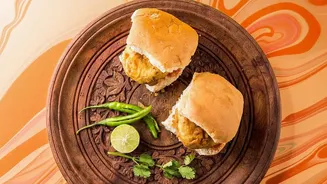
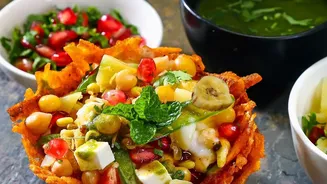
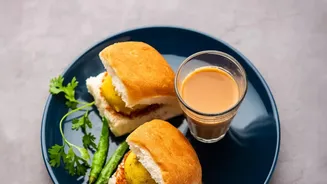
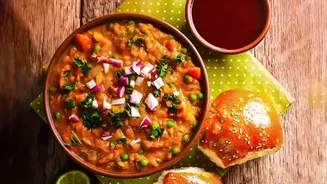
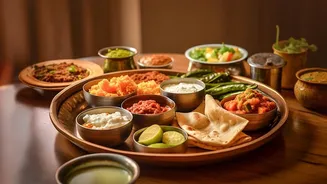
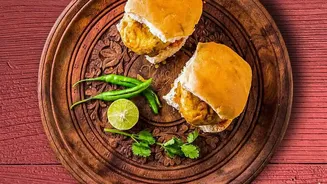
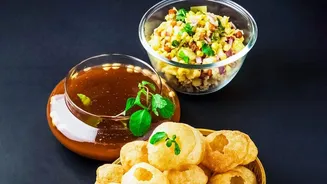
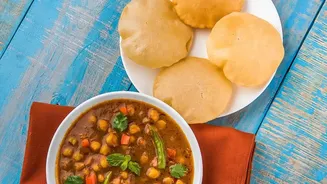
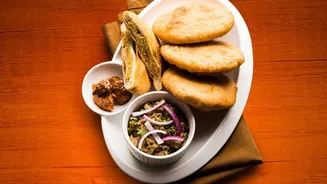
For years, the aspiration was global. Now, there's a powerful swing towards the local and regional. Urban diners are increasingly seeking authenticity and are keen to explore the depth of India's own culinary diversity. This isn't just about comfort food; it's about discovering and celebrating specific, regional dishes that were previously hard to find in a standardized QSR format. Consumers are moving past the generic and are looking for food that tells a story, whether it's a specific biryani from a particular region or a coastal curry made with a family recipe. This demand for authenticity has created a fertile ground for entrepreneurs who can offer genuine, high-quality local cuisine.
The Currency of Trust and Health
Post-pandemic, health, safety, and hygiene have become non-negotiable for many consumers. While global chains have always emphasized standardized hygiene, a new dynamic has emerged. Consumers are placing their trust in local brands that they perceive as more transparent and relatable. There's a growing belief that a local entrepreneur, who is part of the same community, has a greater stake in maintaining quality. This is coupled with a significant pivot towards healthier eating. Many local brands are successfully tapping into this by offering fresher ingredients, healthier cooking methods, and menus that cater to a more health-conscious urban palate, a segment that is growing annually.
Digital Levers for the Little Guy
Technology has been the great equalizer. In the past, a small, local food brand could never compete with the marketing budget of a global QSR. Today, platforms like Zomato and Swiggy, alongside social media like Instagram, have democratized discovery. A compelling dish and good reviews can give a local brand immense visibility without a rupee spent on traditional advertising. These digital platforms handle the logistics of ordering and delivery, allowing chefs and entrepreneurs to focus on what they do best: creating great food. This has lowered the barrier to entry, enabling a boom in independent and cloud kitchen-based brands that can reach a vast customer base from day one.
Reshaping the Entire Food Ecosystem
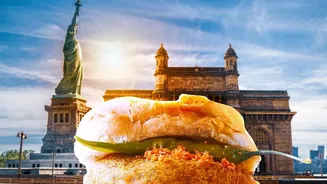
This shift is not happening in a vacuum. It is forcing the entire industry, including the big global players, to adapt. Many large chains are now incorporating more regional flavours into their menus or even acquiring successful local brands to tap into this growing market segment. The competition is no longer just between similar fast-food giants but between a global burger chain and a local start-up perfecting a single regional delicacy. This move towards local, authentic, and digitally-native food brands is not just a fleeting trend; it reflects a deeper change in urban Indian values, priorities, and identity. The Indian Quick Service Restaurant (QSR) market, valued at over USD 9 billion in 2025, is a testament to this dynamic and growing landscape.