



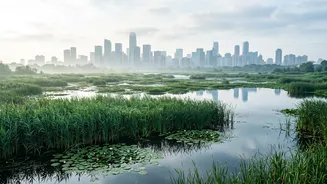


The Unseen Protector: What is a Detention Basin?
Imagine a large, shallow, and usually dry park or grassy area in your city. That might just be a detention basin in disguise. Unlike a retention basin or pond, which holds a permanent pool of water, a detention basin is designed to be dry most of the
time. Its primary job is to temporarily collect stormwater runoff during and after a heavy rain event. Think of it as a holding tank for the city's excess rainwater. These basins are engineered depressions in the landscape that are a critical part of modern stormwater management, especially in new residential, commercial, or industrial developments where paved surfaces prevent rain from soaking naturally into the ground.
How It Tames a Storm Surge
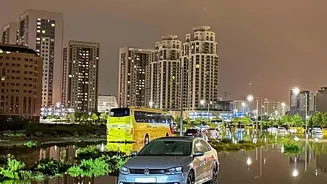
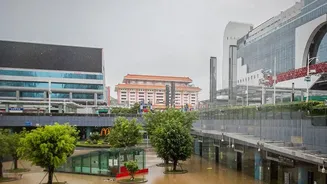
When a sudden, intense storm hits, drainage systems can quickly become overwhelmed. This is where the detention basin springs into action. Runoff from roads, roofs, and parking lots is channeled into the basin, which begins to fill with water. Instead of this massive volume of water flooding streets and properties, it is safely contained. The key to the basin's function is its outlet structure—a specially designed pipe or opening that allows the stored water to drain out slowly and at a controlled rate. This gradual release ensures the downstream sewers and waterways aren't overloaded, effectively flattening the peak of the storm surge and giving the main drainage network time to catch up. After the storm passes and the basin has drained, it returns to being a dry, open space.
More Than Just Flood Control
While preventing floods is their main purpose, detention basins offer several other benefits to urban environments. As stormwater sits in the basin, it slows down, allowing sediments, pollutants, and debris to settle out instead of washing directly into rivers and lakes. This provides a basic level of water quality treatment. Furthermore, well-designed basins can double as valuable community assets. When not in use, these large open areas can be designed as recreational parks, sports fields, or natural green spaces that provide wildlife habitat and improve the aesthetic value of a neighbourhood. This multi-functional approach is a key part of creating more sustainable and liveable cities.
A Tool for 'Sponge Cities'
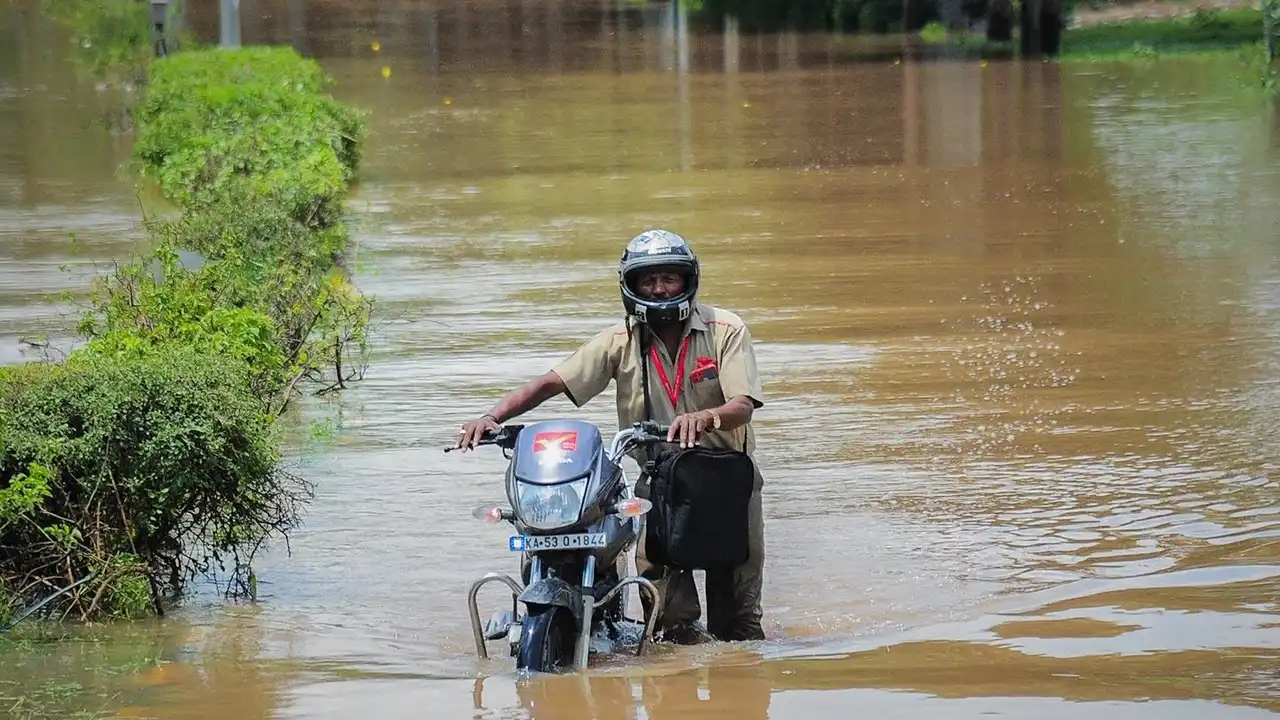
The concept of detention basins is a cornerstone of the 'Sponge City' initiative—an innovative approach to urban planning that aims to make cities more permeable and resilient to water-related challenges. In rapidly urbanising countries like India, where cities like Mumbai and Chennai face both severe flooding during monsoons and water scarcity in dry seasons, such solutions are vital. However, implementing them is not without challenges. Acquiring large tracts of land in dense urban cores is difficult and expensive. Furthermore, basins require regular maintenance to remove accumulated sediment and debris to ensure they function correctly when needed. Despite these hurdles, integrating them with other nature-based solutions like rain gardens and permeable pavements is seen as essential for future urban resilience.