






The Mounting Pressure on Plastic
India's thriving food delivery market, led by giants like Zomato and Swiggy, has revolutionised how we eat, but it has also created a significant environmental challenge: a mountain of single-use plastic containers. With millions of orders delivered daily,
the resulting plastic waste clogs landfills and pollutes waterways. In response, the Indian government has tightened regulations, implementing the Plastic Waste Management Rules to phase out certain single-use plastics and encourage sustainable alternatives. This regulatory push, combined with growing consumer demand for eco-friendly options, has sent restaurants and delivery platforms searching for viable, large-scale solutions. The pressure is on to find a material that is not only green but also practical and affordable.
What Exactly Is Sugarcane Bagasse?
Enter sugarcane bagasse. It is the dry, fibrous pulp that remains after sugarcane stalks are crushed to extract their juice for sugar production. For years, this residue was either burned as a low-grade fuel in sugar mills or simply discarded. Today, it is being recognised as a valuable resource. India is the world's second-largest producer of sugarcane, generating an estimated 100 to 135 million tonnes of bagasse annually. This sheer abundance makes it a readily available, domestic raw material for a new generation of eco-friendly products, transforming agricultural waste into a key component of a circular economy.
From Farm Waste to Food Container
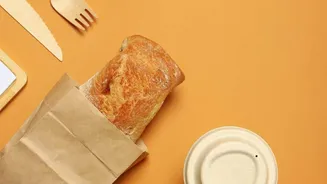
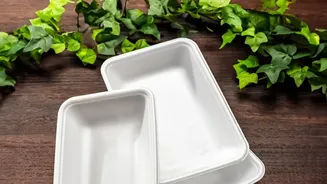
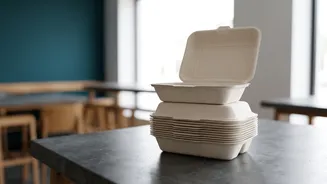
The process of turning bagasse into food packaging is relatively straightforward. The raw bagasse is first turned into a pulp with water. This pulp is then poured into moulds and subjected to high pressure and heat, which shapes it into sturdy, durable containers, bowls, plates, and lids. Because it is a natural plant fibre, the resulting product is completely free of the harmful chemicals often found in plastic packaging. The final containers are lightweight yet strong, offering a practical alternative for food service without compromising on performance.
The Perfect Fit for Food Delivery
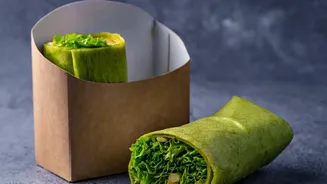
Bagasse packaging is proving particularly well-suited for the demands of food delivery, especially for Indian cuisine. One of its key advantages is its resistance to heat, oil, and grease. It can safely be used in a microwave, a feature many plastic containers lack, and it holds its structure when filled with hot curries, biryanis, and noodles without getting soggy or leaking. Furthermore, bagasse is 100% biodegradable and compostable. Under the right conditions, a bagasse container can break down into organic matter in just 60 to 90 days, compared to the hundreds of years it takes for plastic to decompose. This environmental credential is a major selling point for businesses looking to attract eco-conscious consumers.
Navigating the Challenges
Despite its many benefits, the transition to bagasse is not without its hurdles. The initial cost of bagasse packaging can be higher than that of traditional plastic, which can be a barrier for small restaurants operating on thin margins. There are also logistical considerations. Sugarcane harvesting is seasonal, which can affect the year-round availability of raw materials if not managed with proper stockpiling and inventory planning. Furthermore, for bagasse to deliver on its compostable promise, it requires appropriate waste management infrastructure. If it ends up in a landfill instead of a composting facility, its environmental benefit is significantly reduced. Food tech platforms are stepping in to help, with Zomato launching PackSwitch, a tool to help restaurants find and source sustainable packaging options, including bagasse, from verified suppliers.
The Future is Greener
Sugarcane bagasse is more than just a passing trend; it represents a scalable, homegrown solution to a pressing environmental problem. With India's vast sugarcane production, the raw material is abundant and local, reducing reliance on imported materials. As manufacturing processes become more efficient and demand continues to grow, costs are expected to become more competitive with plastic. Food delivery platforms are actively encouraging the shift, with initiatives like Zomato's 'low plastic packaging' tag which has already recognised over 10,000 restaurants. These efforts help consumers identify and support businesses that are making sustainable choices, creating a powerful incentive for the entire industry to move in a greener direction.