



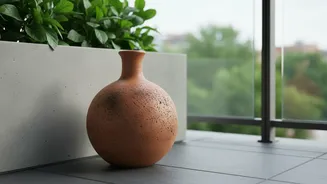
An Ancient Solution for Modern Gardens
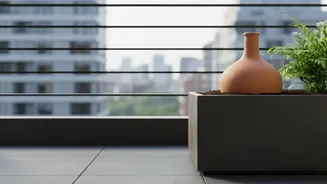
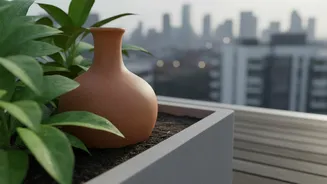
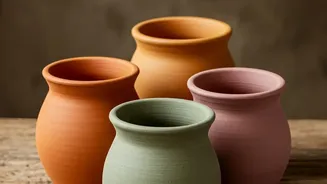
An olla (pronounced 'oy-yah') is an unglazed terracotta pot that is buried in the soil and filled with water. This method of irrigation is thousands of years old, used by ancient civilizations to water crops efficiently in arid climates. Today, this low-tech
marvel is making a comeback, particularly for urban gardeners who face the unique challenges of container planting. Its beauty lies in its simplicity: a buried clay pot that slowly releases water directly to the plant's roots, saving time, effort, and a significant amount of water.
The Science of Slow-Release Watering
Ollas work through a natural process called soil moisture tension. Because the clay pot is unglazed, it is porous. When you fill the olla with water and the surrounding soil is dry, the water is slowly pulled through the pot's microscopic pores into the soil. Plant roots, sensing the nearby water source, grow towards the olla and draw moisture as needed. The key is that the water is released only when the soil is dry. If the soil is already moist from a recent rain, the water stays inside the pot, preventing the overwatering that can lead to root rot.
Thriving Through Humid Spells
It may seem counterintuitive to worry about watering during humid weather. While high humidity slows evaporation from the leaf surfaces, the soil in a balcony pot—exposed to sun and wind—can still dry out quickly. Surface watering during humid spells can also be problematic, as it leaves foliage wet and creates an ideal environment for fungal diseases. Ollas bypass this issue entirely. By delivering water directly to the roots underground, the soil stays consistently moist where it counts, while the soil surface and plant leaves remain relatively dry. This targeted approach ensures the plant gets the hydration it needs without the risks associated with surface moisture in a humid climate.
Perfect for Balcony Containers
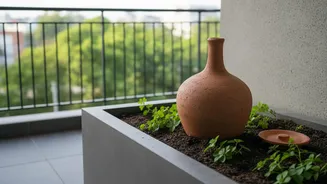
Container gardens are notorious for drying out faster than in-ground beds. Ollas are an ideal solution for balcony pots and planters. They provide a steady, reliable water source that promotes deep, healthy root growth instead of the shallow roots encouraged by surface watering. This reduces plant stress from wild fluctuations between wet and dry soil. It also means you can water less frequently; instead of daily watering, you may only need to refill the olla every few days, depending on the pot size, plant needs, and weather. A lid or stone placed over the opening prevents evaporation and keeps mosquitoes out.
How to Use and Choose an Olla
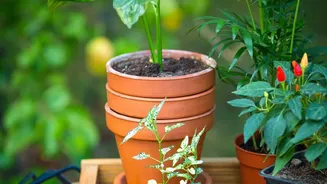
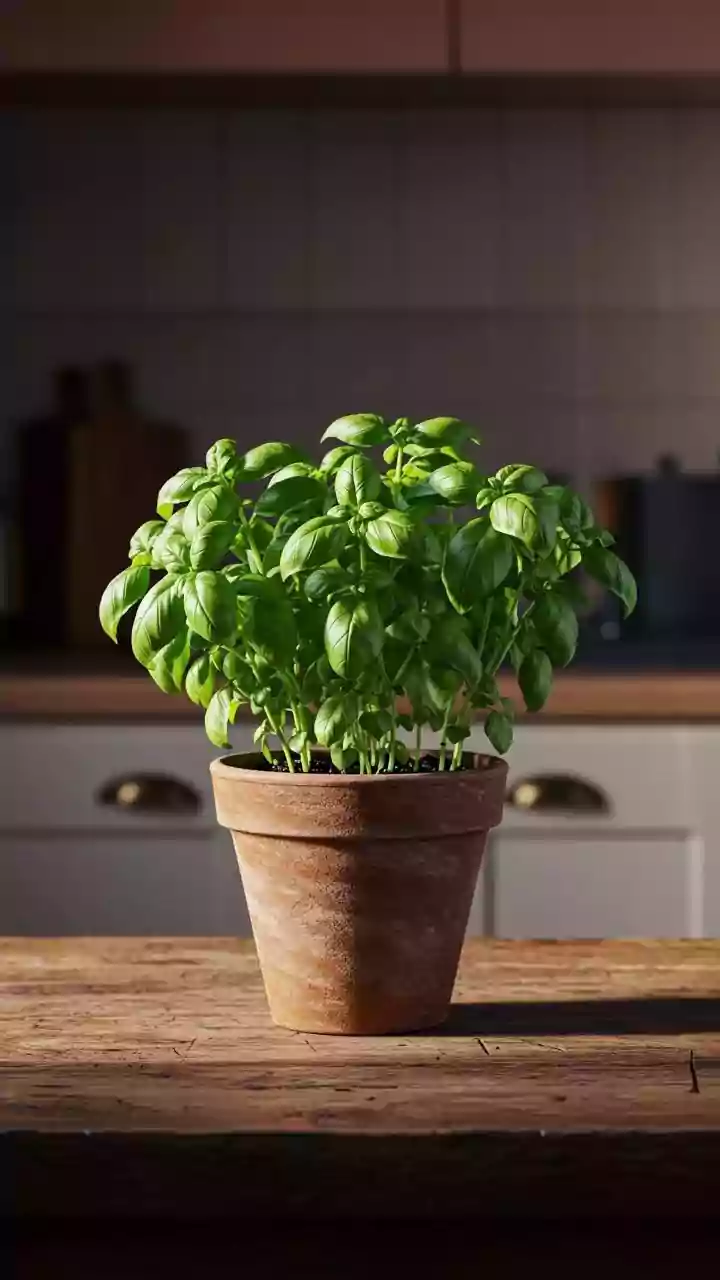
Using an olla in a pot is simple. For best results, place the empty olla in your container first, burying it up to its neck, and then pack soil firmly around it before adding your plants. Packing the soil well is crucial, as air pockets will prevent water from seeping out effectively. A single small or medium olla is usually sufficient for a standard balcony planter. When choosing plants, those with fibrous root systems like tomatoes, peppers, and herbs work particularly well. Refill the olla when it's about half to two-thirds empty, and avoid adding liquid fertilizers to the olla itself, as they can clog the clay's pores.