




The Sun's Unpredictable Temper
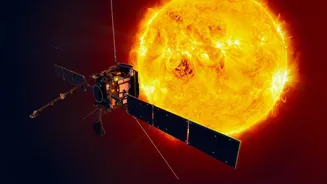
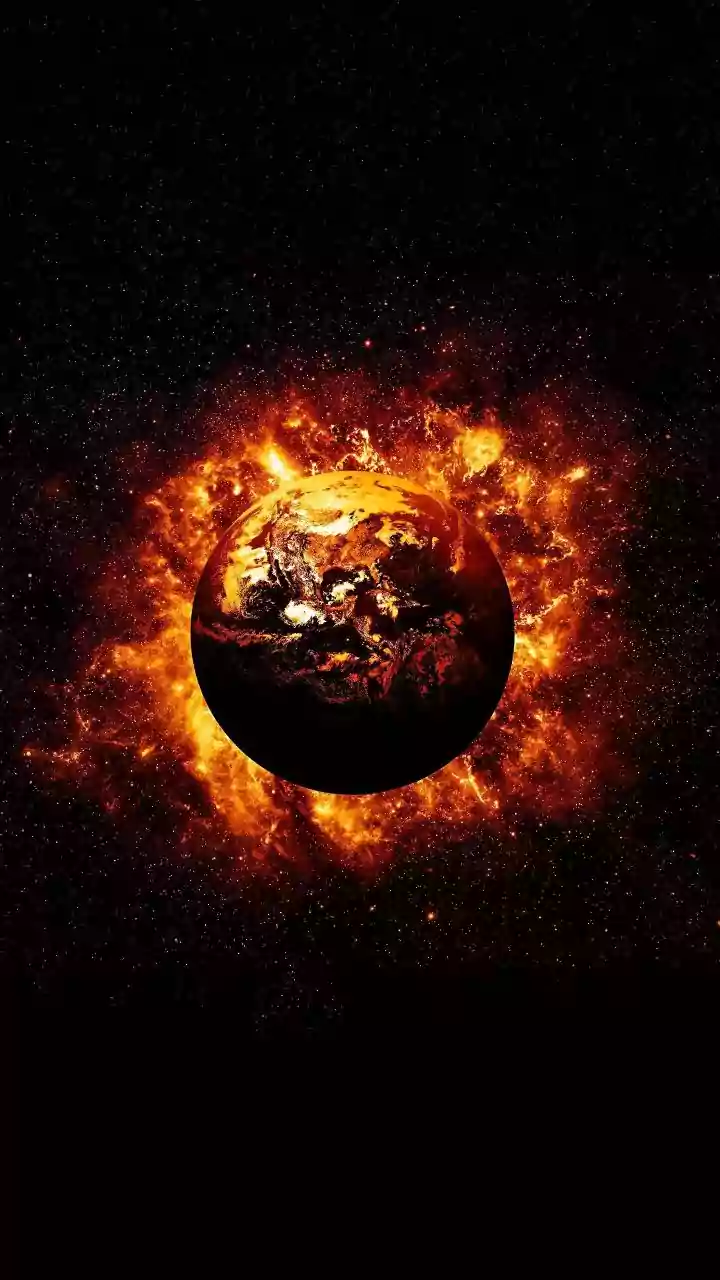
The Sun, our life-giving star, has a volatile side. It periodically releases massive bursts of energy and charged particles, known as solar flares and coronal mass ejections (CMEs). When these eruptions are directed at Earth, they can trigger geomagnetic
storms. These storms interact with our planet's magnetic field and upper atmosphere, creating beautiful auroras but also wreaking havoc on our technology. We are currently in an active phase of the Sun's 11-year cycle, known as Solar Cycle 25, which has already produced significant space weather events and is expected to remain active. This makes the threat not just theoretical, but timely.
How a Storm Knocks Out Our Digital Compass
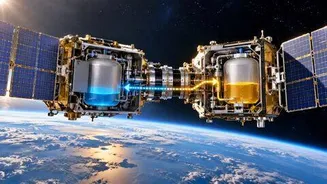
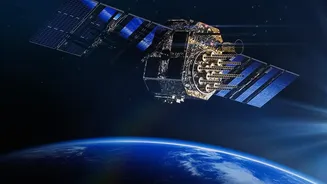
GPS works by receiving faint radio signals from satellites orbiting far above the atmosphere. For your phone to know your location, it needs to precisely calculate the time it takes for signals from multiple satellites to reach it. A geomagnetic storm disrupts this delicate process by energizing the ionosphere, a layer of the atmosphere the signals must pass through. This disturbance can delay and distort the GPS signals, a phenomenon known as scintillation. The result can range from positioning errors of a few metres to dozens of metres, or even a complete loss of signal, rendering the receiver unable to calculate a position at all.
When the City Grid Goes Blind
In a modern Indian city, the consequences of a widespread GPS outage would be immediate and chaotic. Ride-hailing and food delivery services would grind to a halt. Digital payments and financial markets, which rely on GPS for precise time-stamping of transactions, would face massive disruptions. Traffic management systems that synchronise signals would fail, leading to gridlock. Emergency services—police, fire, and ambulance—would struggle with dispatch and navigation, wasting critical minutes. Even the stability of the power grid, which uses GPS for synchronising its network, could be compromised. The intricate web of services that defines urban life would begin to unravel.
Building an Electronic Umbrella
Protecting our infrastructure requires a multi-layered approach, often called 'shielding'. This doesn't mean putting a physical dome over a city. Instead, it involves hardening the technology itself. One key method is improving GPS receivers so they are less susceptible to atmospheric distortions. This can be done through advanced software and algorithms. Another critical strategy is using ground-based augmentation systems. These are networks of fixed reference stations on the ground that monitor GPS signals and send out corrections to nearby receivers, cancelling out the errors caused by a solar storm. Furthermore, integrating GPS receivers with other sensors, like Inertial Measurement Units (IMUs), allows devices to maintain an accurate position temporarily even if the satellite signal is lost. India has its own regional navigation system, NavIC, but its current operational status highlights the vulnerability of relying on a limited number of satellites and the need for robust, redundant systems.
A Race Against an Invisible Threat
While a catastrophic, planet-wide solar storm is a rare event, moderate storms capable of causing significant regional disruption are far more common. With our increasing reliance on satellite technology for every facet of urban life, our collective vulnerability grows with each passing year. Organisations like NOAA's Space Weather Prediction Center provide forecasts and warnings, which can give operators of critical infrastructure time to prepare. However, prediction is not enough. The proactive implementation of shielding technologies, developing resilient backup systems, and building redundancy into our networks are essential steps. Waiting for a major blackout to occur is not a viable strategy. The cost of inaction could be immense, not just in economic terms, but in public safety and national security.