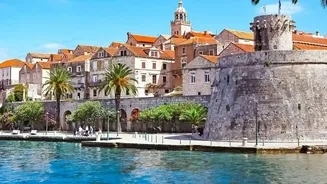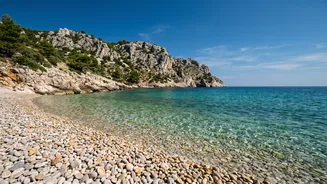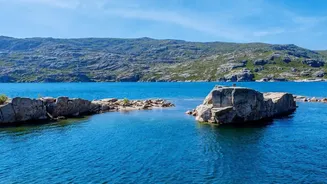



Croatia’s sun-drenched coast is a traveller's dream, but its immense popularity has a downside. In some of the most beautiful spots, authentic local culture is being overshadowed by a sea of identical, mass-produced tourist trinkets.
Dubrovnik's Old Town
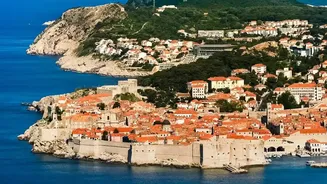
Known as the 'Pearl
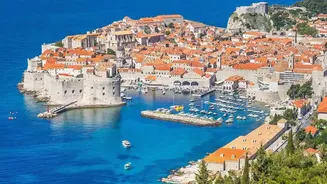
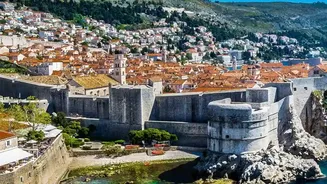
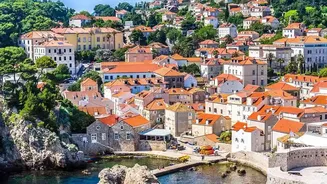
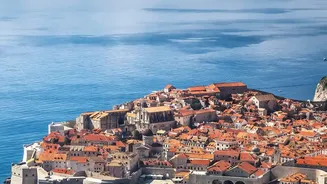
of the Adriatic' and a famous filming location, Dubrovnik's medieval walls enclose a city of breathtaking beauty. However, the sheer volume of visitors has led to an explosion of souvenir shops along its limestone streets. Instead of unique local crafts, many stalls are filled with generic fantasy-themed merchandise, imported trinkets, and 'I Love Croatia' T-shirts that have little connection to the city's rich maritime and artistic history. The crowds make it hard to enjoy the architecture, and the endless parade of identical souvenirs can leave a traveller feeling disconnected from the city's true spirit.
Split's Diocletian's Palace
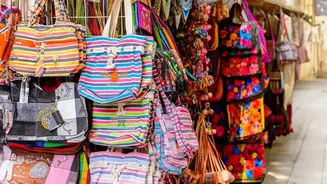
The heart of Split is a living wonder: a Roman palace that now houses shops, restaurants, and homes. But within these ancient walls, particularly along the main thoroughfares, the stalls can feel depressingly similar. You'll find stall after stall selling the same colourful beach towels, sunglasses, and mass-produced lavender sachets that lack the provenance of true Hvar lavender. While authentic Croatian products like handmade coral jewellery, local olive oil, and silk cravats do exist, they are often tucked away in quieter side streets, overshadowed by the generic wares that dominate the main tourist flow.
Hvar Town's Waterfront
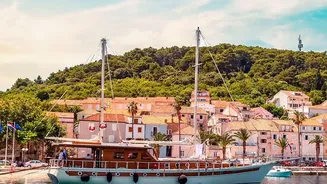
Hvar Town is synonymous with glamour, yachts, and a vibrant nightlife. This focus on the party scene is reflected on its famous waterfront promenade. While visually stunning, many shops cater to a transient, party-focused crowd, offering generic resort wear and novelty items rather than authentic island crafts. The island of Hvar is famous for its high-quality lavender, yet many souvenir shops sell products of dubious origin at inflated prices. To find the real deal, travellers are better off seeking out local market stalls or producers in the island's interior, away from the glitzy but often superficial main strip.
Rovinj's Old Town Alleys
This Istrian gem is undeniably one of the most picturesque towns on the peninsula, with colourful houses climbing a hill to a historic church. But as you wander its charming, narrow cobblestone streets, you may notice a creeping sense of sameness. Many of the ground-floor spaces that were once homes or local artisan workshops have been converted into souvenir shops selling nearly identical, often imported, goods. While some galleries feature genuine local artists, they are increasingly surrounded by shops offering generic prints, nautical-themed trinkets, and mass-produced jewellery that detract from the town's authentic fishing village character.
Zadar's Main Streets
Zadar offers a fascinating blend of Roman ruins, medieval churches, and unique modern installations like the Sea Organ. However, the commercial streets of its old town are becoming a case study in seasonal tourism. During the summer, these streets are lined with souvenir shops and fast-food joints that often close down outside of peak season, highlighting their dependence on a purely tourist-driven economy. The souvenirs themselves are often uninspired, with many stalls selling generic items that could be found in any seaside resort in Europe. This contributes to a sense of lost authenticity that locals themselves have voiced concerns about.