




Why Georgia? The Ultimate Appeal
For Indian passport holders, the Eastern European nation of Georgia presents a trifecta of benefits that few other countries can match. First and foremost is the incredibly generous visa policy: Indians can typically enter and stay for up to one year,
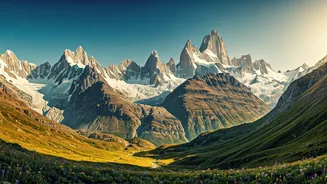
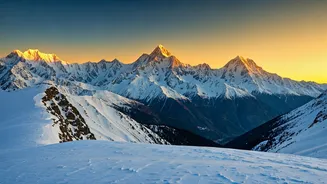
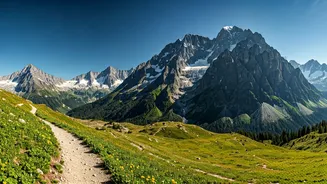
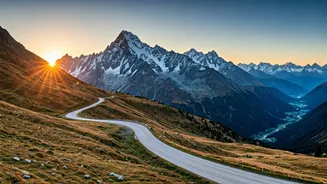
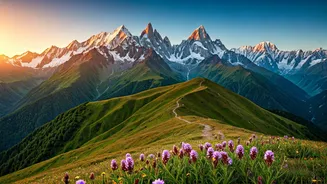
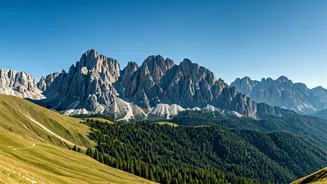
visa-free. This removes the biggest hurdle for long-term remote work abroad. Beyond the bureaucracy, Georgia is a land of dramatic beauty, home to the towering Caucasus Mountains, which offer a stunning backdrop for a life less ordinary. Add to this a rich history, a unique winemaking culture that stretches back 8,000 years, and a reputation for warm hospitality, and you have a destination that nourishes both work and soul.
Your Mountain Office: Key Locations
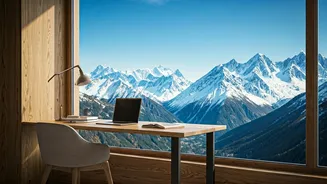
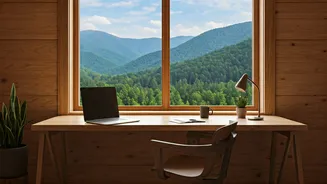
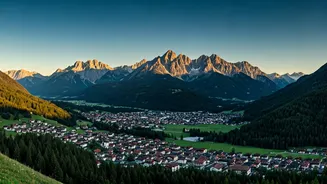
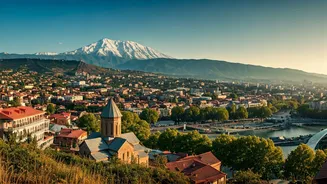
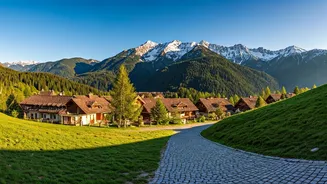
While the capital, Tbilisi, is a bustling, bohemian hub with a well-established digital nomad scene, the true magic lies in the mountains. The most popular base is Stepantsminda, often still called by its old name, Kazbegi. Situated in the shadow of the majestic Mount Kazbek, this town offers breathtaking views of the iconic Gergeti Trinity Church. It's a three-hour drive from Tbilisi, making it relatively accessible. For those seeking a more remote and rugged experience, Mestia in the Svaneti region is another incredible option, known for its medieval defensive towers and pristine hiking trails. While more isolated, the reward is unparalleled immersion in nature.
The Budget: How 'Cheap' is Cheap?
The headline’s promise of affordability holds up, especially when compared to the cost of living in Indian metro cities. A comfortable one-bedroom apartment in a mountain town can be rented for ₹25,000-₹40,000 per month. A meal at a local restaurant is often under ₹500, and groceries are significantly cheaper than in Mumbai or Bengaluru. A realistic monthly budget for a single person, including rent, food, utilities, and some leisure, can range from ₹60,000 to ₹90,000. This allows for a higher quality of life—more space, cleaner air, and weekend hikes—often for less than the cost of renting a small flat and living in a Tier-1 Indian city.
Co-Living vs. The Guesthouse Life
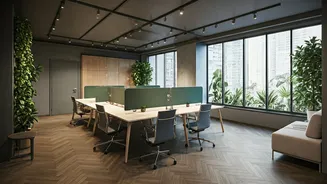
The concept of dedicated co-living and co-working spaces is well-established in Tbilisi, with hubs like LOKAL and Terminal offering community and high-speed internet. However, in mountain towns like Kazbegi, this model is still emerging. While you might not find a sleek, purpose-built co-living building, the spirit of it thrives in a different form. Many digital nomads opt for long-term stays in family-run guesthouses. These offer an authentic experience, home-cooked meals, and a built-in community of fellow travellers and remote workers. The 'shared space' becomes the communal dining table or the garden overlooking the valley. It’s a more rustic, but arguably more rewarding, version of the co-living dream.
Staying Connected: The Digital Reality
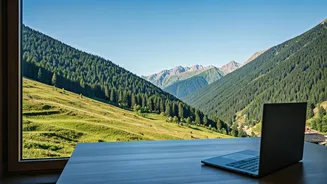
The most critical question for any remote worker: what about the WiFi? You’ll be pleasantly surprised. Georgia has invested heavily in its internet infrastructure. In towns like Stepantsminda and even Mestia, most guesthouses, cafes, and apartments offer reliable, high-speed fibre optic internet that’s more than capable of handling video calls, large file uploads, and streaming. A local SIM card with a generous data plan from providers like MagtiCom is inexpensive and provides a solid backup. While you might lose signal on a remote mountain trail (which is part of the appeal), your digital work life can continue uninterrupted from your home base.