





Spain remains one of the world's most beloved travel destinations, but its immense popularity is causing growing pains. From local protests to new regulations at iconic landmarks, the visitor experience is changing. Here’s what you need to know.
The Challenge of 'Overtourism'
Across
Spain, a palpable tension has emerged between the booming tourism industry and the quality of life for local residents. In 2025, the country welcomed nearly 100 million foreign visitors, a figure that puts immense pressure on housing, public services, and infrastructure. This phenomenon, often called 'overtourism', has led to widespread protests and a clear message from some communities that the current model is unsustainable. In the Canary Islands, for example, residents have held large-scale demonstrations to protest soaring rental costs, environmental degradation, and the fact that despite record visitor numbers, a third of the local population is at risk of poverty. Similar sentiments have been echoed in major cities, forcing officials to act.
Barcelona: Protests, Taxes, and New Rules
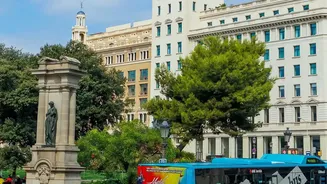
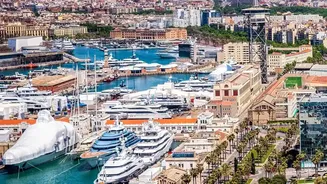
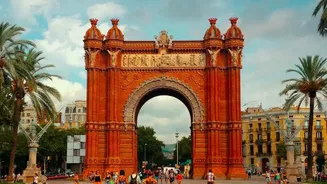
Barcelona has become a focal point for these new measures. Recent protests have highlighted the friction, including a demonstration by port workers on October 28, 2026, that blocked access to cruise terminals, forcing thousands of passengers to walk to the city. While this specific protest was over a pay dispute, it occurred against a backdrop of broader anti-tourism sentiment. The city is actively trying to manage the influx, with officials stating a goal of 'not one tourist more' and capping visitor numbers at around 16 million annually. To achieve this, Barcelona has nearly doubled its tourist tax as of April 2026, making it one of the highest in Europe. There are also plans to phase out all short-term holiday rental licenses by 2028 and reduce the number of cruise terminals. Even access to the famous La Boqueria market is being adjusted to prioritize residents over tourists.
Seville and Andalusia: Paying for Preservation
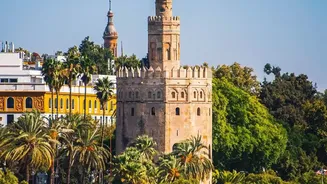
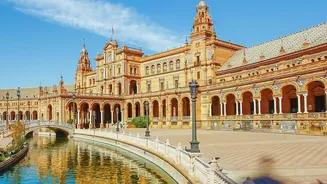
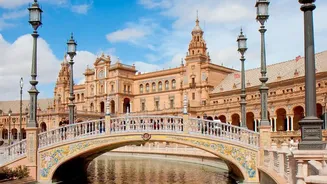
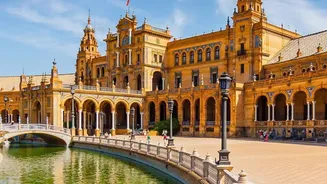
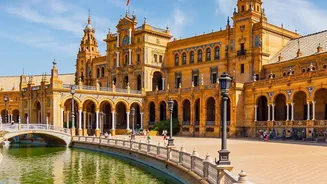
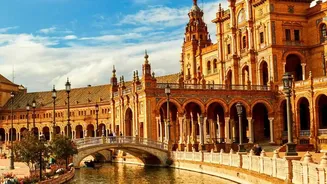
In the southern region of Andalusia, the historic city of Seville is also grappling with visitor numbers. The city council has announced plans to charge non-resident tourists an entry fee for the iconic Plaza de España, a site famously used in 'Star Wars'. The mayor stated the funds are needed to finance the monument's conservation and security, citing damage like broken tiles and wear from heavy foot traffic. While locals will retain free access, the proposal has sparked debate, with some critics arguing for a broader city-wide tourist tax instead of charging for public spaces. Elsewhere in Andalusia, access to natural areas like the dunes of Cabo de Gata is now more restricted, with fines for straying from designated boardwalks to protect the fragile environment.
What Visitors Need to Know for 2026
For travelers, navigating this new landscape requires awareness and planning. The crackdown on unlicensed holiday apartments, especially in Barcelona, is severe; if your rental doesn't have an official license number, you risk arriving to a cancelled booking. New rules also govern public behavior, with strict fines for drinking alcohol in public spaces, being shirtless, or wearing swimwear away from the beach in many cities. Smoking and vaping are now banned on many beaches and all bar and restaurant terraces nationwide. Furthermore, non-EU visitors should be prepared for new entry requirements. The EU's automated Entry/Exit System (EES) has been operational since April 2026, logging entries and exits with biometric data. The ETIAS travel authorization, costing €7, is also expected to become mandatory for visa-exempt visitors in late 2026 or early 2027.