

As the post-monsoon haze clears, October offers some of the best stargazing opportunities of the year. The crisp autumn nights are filled with planets at their brightest, reliable meteor showers, and beautiful star clusters rising in the east.
Saturn Shines All Night Long
October
kicks off with a brilliant display from the ringed planet, Saturn. On October 4, it reaches opposition, meaning Earth passes directly between Saturn and the Sun. This alignment makes the planet appear at its biggest and brightest for the year. For observers in India, Saturn will rise around sunset in the eastern sky, travel across the sky throughout the night, and set around sunrise. While visible to the naked eye as a steady, yellowish point of light, a small telescope will reveal its famous rings, which are once again tilting favourably towards us after being nearly edge-on in 2025. This is the best time in 2026 to view the sixth planet from the Sun.
Jupiter Plays Hide and Seek
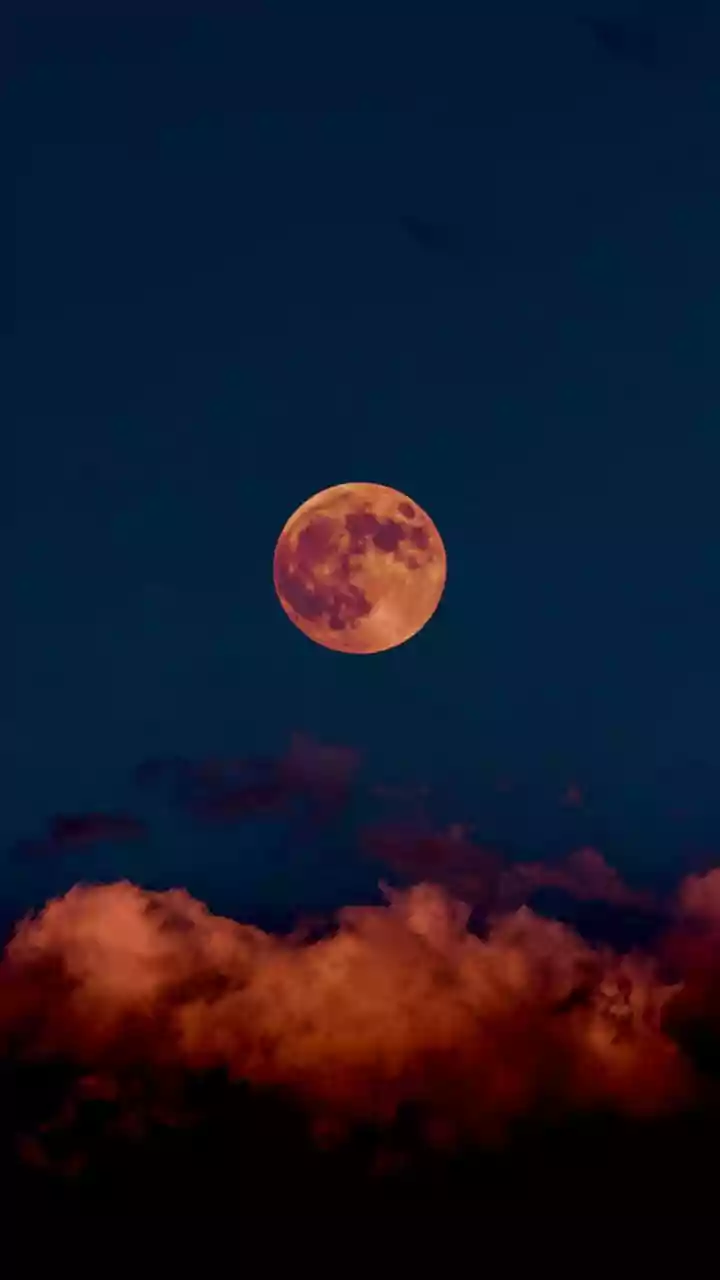
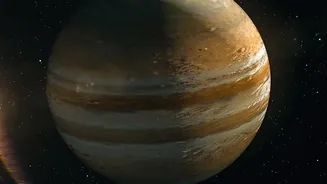
The king of planets, Jupiter, also offers a special sight this month, though you'll have to be an early riser. The giant planet rises after 2:30 a.m. local time and will be a brilliant beacon in the pre-dawn eastern sky. The main event occurs on the morning of October 6, when the crescent Moon passes in front of Jupiter, an event called a lunar occultation. While the best views of the planet actually disappearing behind the Moon are for observers in North America, those in India will still see the two celestial bodies in a stunningly close approach before sunrise. It's a fantastic photo opportunity and a beautiful sight even without a telescope.
The Gentle Draconid Meteor Shower
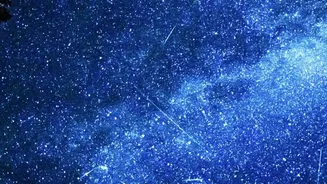
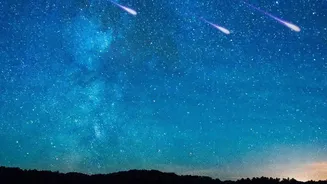
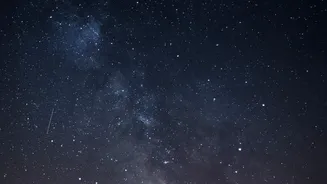
The first of two meteor showers this month is the Draconids, peaking on the night of October 8-9. Unlike most meteor showers that are best viewed after midnight, the Draconids are best seen in the early evening, just after full darkness sets in. This is because their radiant point, in the constellation Draco the Dragon, is highest in the sky at that time. Conditions are nearly perfect in 2026, as the shower peaks just before the new moon, ensuring dark, moonless skies. The Draconids are typically a quiet shower, producing about 5 to 10 slow-moving meteors per hour, but they have been known to produce surprise outbursts with hundreds of meteors.
The Swift Orionid Meteor Shower
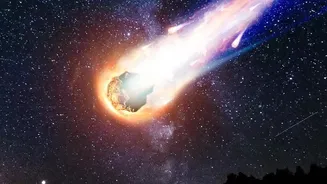
The more famous and active Orionid meteor shower peaks on the night of October 21-22. These meteors are fragments left behind by the famous Halley's Comet. You can expect to see between 15 and 20 meteors per hour under ideal conditions. Orionids are known for being fast and can sometimes leave persistent, glowing trails. The best time to watch is in the pre-dawn hours, after midnight, when the constellation Orion is high in the sky. A bright waxing gibbous moon will be present for part of the night, but it is expected to set a few hours before dawn, leaving a window of dark skies for prime viewing.
The Moon Meets the Seven Sisters
To close out the month's celestial highlights, look to the east on the nights of October 27 and 28. On these dates, the Moon will pass close to the beautiful Pleiades star cluster, also known as the Seven Sisters or Krittika in Indian astronomy. This open star cluster in the constellation Taurus is easily visible to the naked eye, appearing as a tiny, shimmering dipper-like shape. The bright light of the nearly full moon might wash out the faintest stars, but the pairing will be a stunning sight. Binoculars will dramatically improve the view, revealing dozens of sparkling blue-white stars nestled near our Moon.