




The Soul of Bhog: Niramish Khichuri
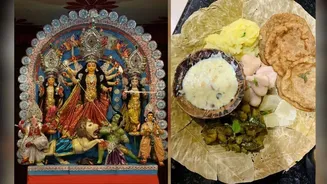
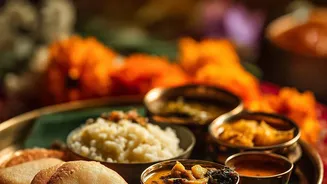
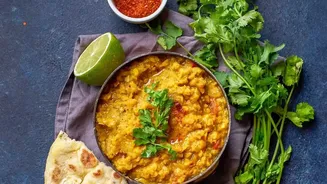
Bhoger khichuri is more than just a dish; it's a fragrant offering made from rice and roasted moong dal. Unlike everyday khichdi, this 'niramish' or pure vegetarian version is made without any onions or garlic. The key to its unique flavour lies in two
things: roasting the moong dal until aromatic before cooking and using fragrant Gobindobhog rice if you can find it. A crucial hack is to use mustard oil for the tempering, which gives it the authentic, pungent depth characteristic of puja bhog. While ghee is often added at the end for richness, the initial cooking in mustard oil is a non-negotiable for that classic taste. Don't overcrowd the pot; cook the rice and dal until they are soft and comforting, but not a complete mush.
Khichuri Hack: Getting the Consistency Right
The perfect bhoger khichuri has a flowing, porridge-like consistency, neither too thick nor too watery. A simple trick is to use hot water. Adding cold water during the cooking process can harden the grains and lentils. Start with a ratio of roughly one part rice and dal mixture to four parts hot water, and keep more hot water on standby. As the khichuri simmers, if it becomes too thick, you can add a splash more hot water and stir continuously until you reach the desired texture. Finally, adding vegetables like potatoes, cauliflower, and peas is common, but remember to lightly fry them in oil before adding them to the pot to ensure they hold their shape and flavour.
Mastering Labra: The Perfect Mixed Veg
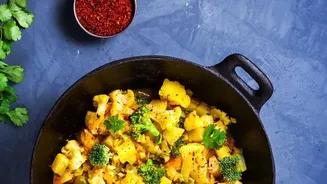
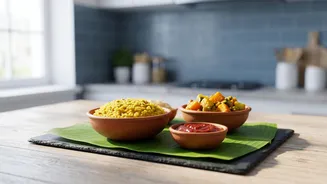
Labra is the quintessential side dish for khichuri, a beautiful medley of seasonal vegetables cooked together until they are soft and almost melting into each other. The secret to a great labra is the variety of vegetables used—pumpkin, sweet potato, eggplant, radish, and raw banana are all excellent choices. A key hack is to cut the harder vegetables, like potatoes and sweet potatoes, into slightly smaller pieces than the softer ones, like eggplant and pumpkin. Add the harder vegetables to the pan first and cook them for a few minutes before adding the rest. This ensures everything becomes tender at the same time without turning into an unidentifiable mush.
Labra Hack: The Magic of Panch Phoron
The signature flavour of labra comes from 'panch phoron', a Bengali five-spice blend. This mixture typically contains fennel, fenugreek, nigella, cumin, and mustard seeds. To get the most flavour, heat mustard oil until it's almost smoking, then reduce the heat and add the panch phoron. Let the spices sizzle and pop for about 45 to 60 seconds until they become fragrant. This tempering process is what infuses the entire dish with its unique aroma. Another important tip is to avoid adding too much water. The vegetables release their own moisture as they cook; you only need a small splash of water if the pan becomes too dry. A pinch of sugar at the end balances the flavours perfectly.
The Final Touch: Sweet and Tangy Tomato Chutney
The meal is incomplete without a glistening bowl of sweet and tangy tomato chutney. This is not just a condiment but a final, palate-cleansing course often served with papad. The best hack for a vibrant, flavourful chutney is to use bright red, ripe tomatoes. Cook them down with sugar or jaggery until they become soft and jammy. To add complexity, many recipes include dates (khejur) and dried mango leather (aamshotto). If you don't have aamshotto, a little tamarind pulp or a pinch of amchur (dry mango powder) can provide that essential tangy note. Don't overcook it; the chutney will thicken naturally as it cools.