






In a surprising turn during a serious hearing on Delhi's air pollution, the Supreme Court mentioned one of India's biggest cricket stars. But why did Virat Kohli’s name come up in a debate about the annual Diwali firecracker ban?
A Cricketer's Name in Court
During a hearing on October
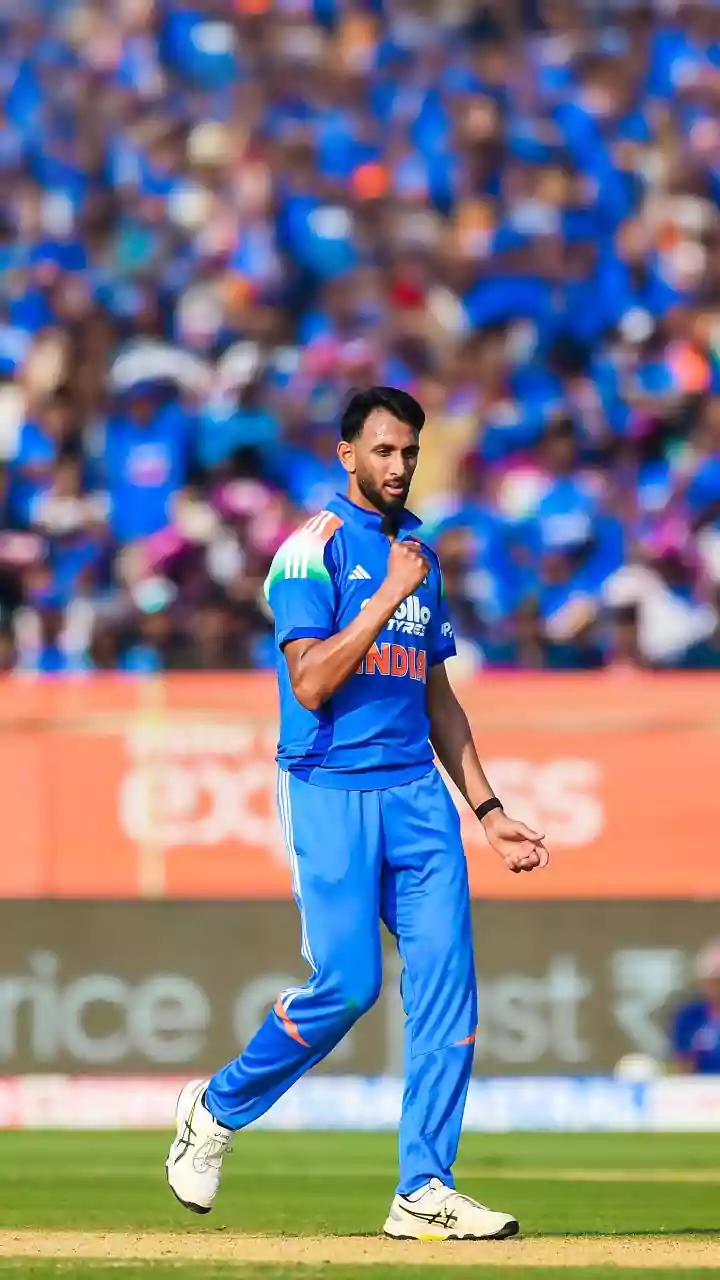
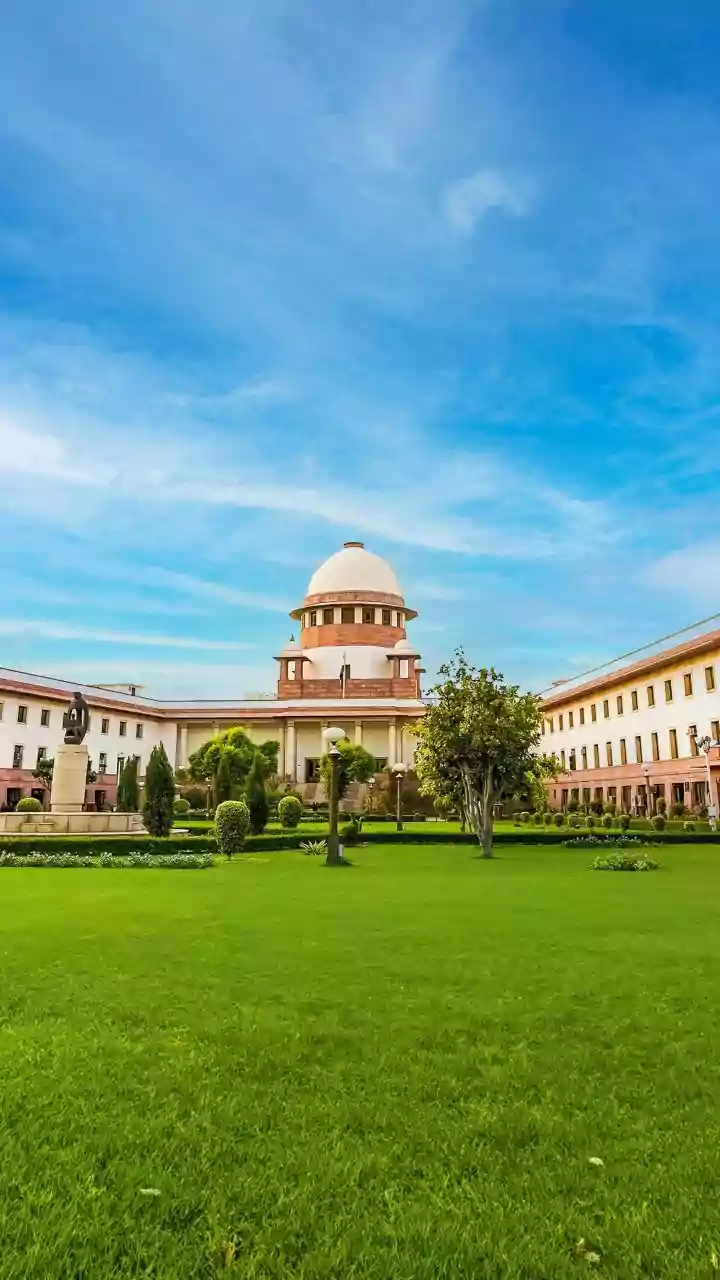
29, 2026, concerning Delhi-NCR's severe air pollution, a Supreme Court bench suggested a novel approach to public awareness. Justices M.M. Sundresh and P.B. Varale proposed that authorities should enlist celebrated public figures to encourage a safer, less-polluting Diwali. Justice Sundresh specifically named Virat Kohli as an example of a respected personality who could help spread the message. The court suggested that Kohli could be requested to record a segment urging people to 'enjoy the spirit of the festival of light' without activities that harm others' health. This was not a summons or a legal directive for the cricketer, but rather a recommendation to the government to leverage his immense popularity for a public good campaign.
The Context: An Unending Debate
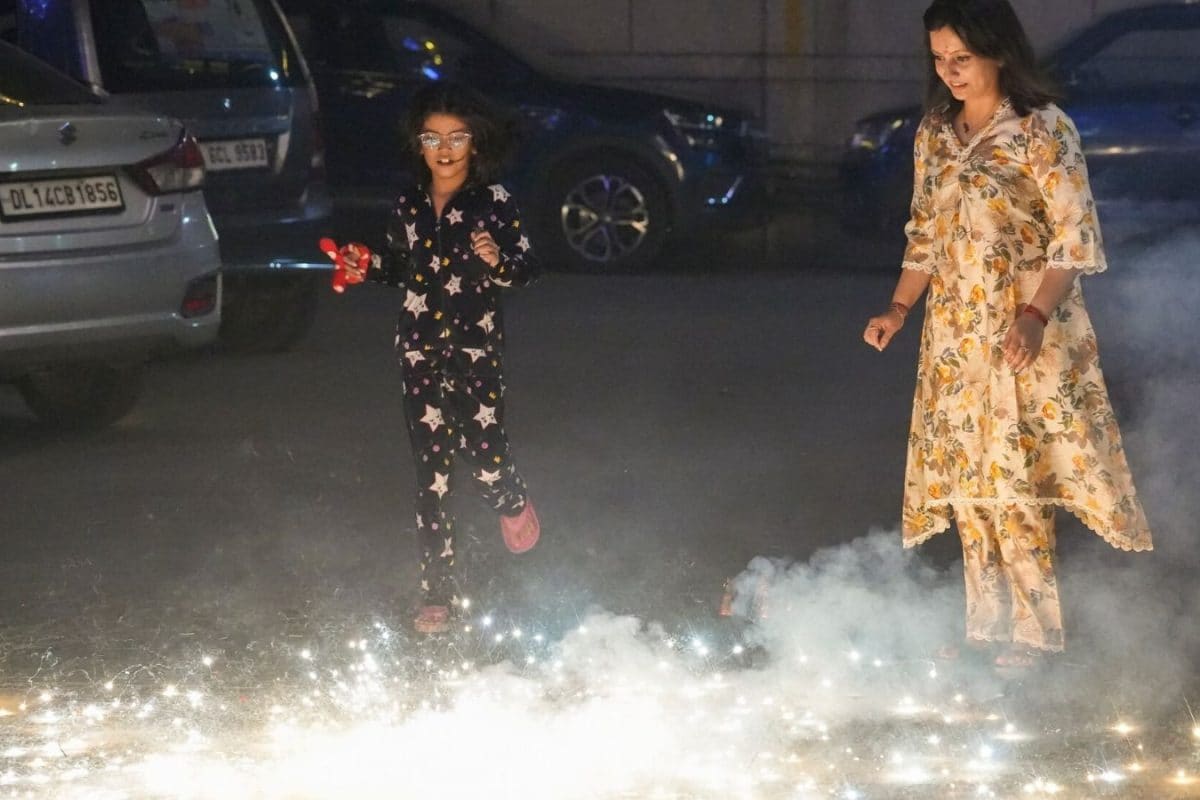
The court's suggestion comes amid a long and often contentious battle over firecrackers in India. For years, the judiciary has been trying to balance religious and cultural practices with the fundamental right to life and health, which is severely impacted by the spike in air pollution during Diwali. During the hearing, the bench noted that its past orders to curb pollution have often been violated, turning the annual exercise into a 'mockery'. The court expressed frustration with the lack of enforcement on the ground. Instead of imposing a complete ban this year, which it felt might lead to a 'spiralling effect' like the growth of an illegal market, the court is pushing for better regulation and greater public cooperation. The idea of using influencers like Kohli is a new tactic in this ongoing struggle.
Kohli's History with the Cracker Debate
The Supreme Court's choice of Virat Kohli was not random. The cricketer has a history of advocating for a cracker-free Diwali. In previous years, including 2020, Kohli released video messages urging his fans to protect the environment by avoiding firecrackers and celebrating with diyas and sweets instead. However, these appeals have consistently drawn mixed reactions. He has often faced intense trolling and backlash on social media, with many accusing him of hypocrisy. Critics have pointed to fireworks used at IPL matches or his personal lifestyle, such as using private jets and owning luxury cars, to question his environmental credentials. This history of public engagement and the ensuing controversy make him a relevant example of the challenges involved in social messaging around sensitive topics.
Why Celebrity Influence Matters
By singling out Kohli, the court highlighted the power—and the peril—of celebrity advocacy. The justices seemed to acknowledge that for a message to truly resonate with the public and lead to behavioural change, it needs to be delivered by figures who are widely respected and admired. At the same time, the backlash Kohli has faced demonstrates the deep-seated cultural resistance and whataboutery that often meets such campaigns. The court also suggested involving educational authorities to sensitise children, hoping that the message could travel upwards from children to their parents. The reference to Kohli serves as a recognition that legal orders alone are insufficient; winning over hearts and minds requires a different kind of influence that public figures possess.