




The Building Blocks of a Modern Economy
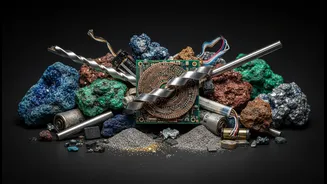
Critical minerals are not just another category of resources; they are essential components for today's fastest-growing and most strategic industries. India has identified 30 such minerals, including lithium, cobalt, nickel, copper, and rare earth elements
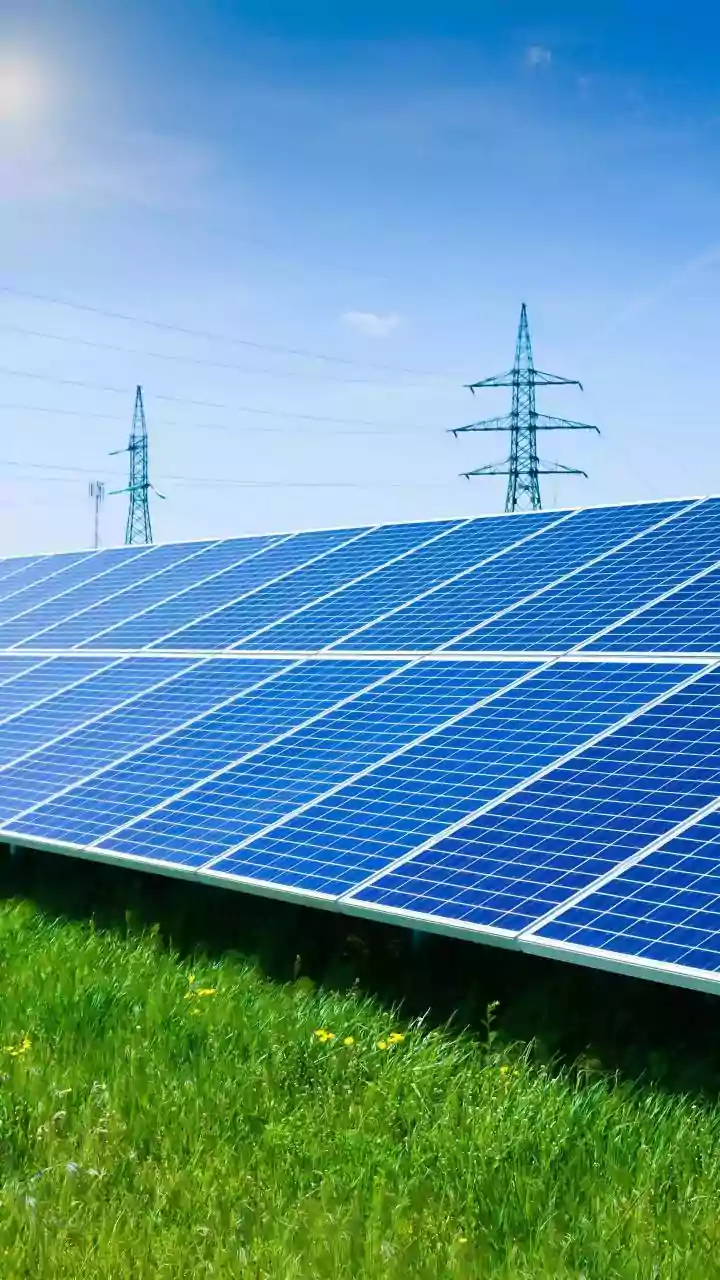
(REEs). These materials are indispensable for manufacturing everything from electric vehicle (EV) batteries and solar panels to semiconductors and advanced defence equipment. As India aims to expand its manufacturing base and achieve its goal of net-zero emissions by 2070, the demand for these minerals is projected to surge. Their availability directly impacts India's economic competitiveness, industrial growth, and national security, making a stable supply a top priority.
India's Strategic Vulnerability
Despite their importance, India is worryingly dependent on imports for these resources. The country is 100% import-dependent for key minerals like lithium and cobalt. This reliance creates significant geopolitical and economic risks. The global supply chain for many critical minerals is highly concentrated, with China dominating the mining and, more importantly, the processing of over 85% of rare earth elements. This dominance gives a single nation immense leverage, turning mineral supply into a potential geopolitical weapon that can be used to create supply shocks or manipulate prices. For a growing economy like India, this level of dependency is a critical vulnerability that could derail its ambitions in clean energy and high-tech manufacturing.
The Recycling Paradox: Why Is It So Difficult?
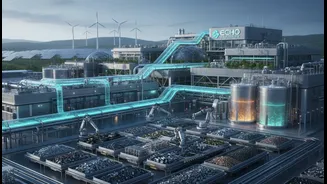
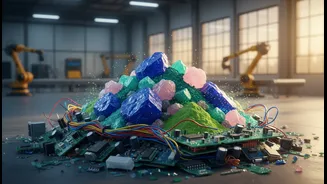
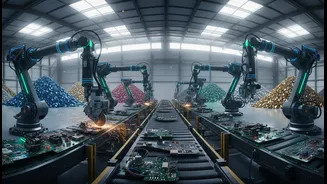
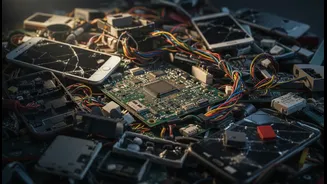
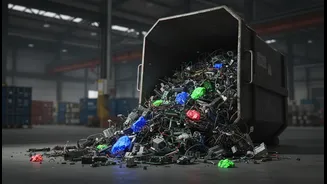
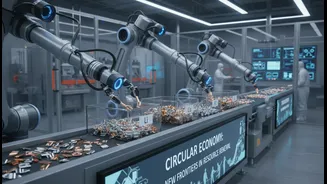
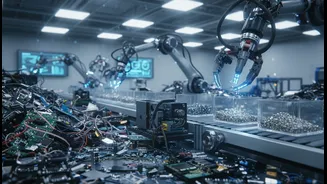
The most logical solution to import dependency is to create resources from what we already have through recycling, often termed “urban mining.” India generates vast amounts of e-waste and will see a surge in end-of-life batteries from EVs and solar panels. However, recovering critical minerals from this waste is fraught with challenges. The concentration of these minerals in discarded products is very low, making extraction complex and expensive. The recycling sector is largely dominated by an informal network using primitive methods that are both inefficient and hazardous. Establishing formal, large-scale recycling facilities requires significant capital investment in advanced technologies. Often, the cost of extracting a kilogram of lithium or cobalt from a used battery can be higher than importing it, creating a difficult economic equation for businesses to solve without support.
Beyond Costs: The Case for a Circular Economy
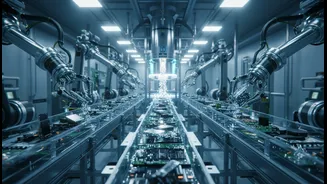
Despite the difficult economics, the strategic argument for developing a robust recycling ecosystem is overwhelming. Viewing recycling not as a cost centre but as a long-term investment in national security is crucial. A domestic supply of recycled minerals would insulate India from global price volatility and supply chain disruptions. It addresses the massive environmental challenge of e-waste, turning a liability into a strategic asset. Recognizing this, the Indian government has initiated the National Critical Minerals Mission and approved a ₹1,500 crore incentive scheme to promote recycling. The scheme provides capital subsidies and operational incentives to encourage both large companies and startups to invest in building domestic recycling capacity. This push signals that the focus is shifting from short-term costs to the long-term gains of self-reliance.
The Path Forward: Building a Resilient Ecosystem
For India to succeed, a multi-pronged approach is necessary. Government incentives are a strong start, but they must be paired with the development of a fully integrated value chain. This includes creating efficient, formal systems for collecting e-waste and spent batteries, a task that remains a major bottleneck. Continued investment in research and development is needed to bring down the cost of recycling technologies and improve recovery efficiency. Public-private partnerships will be key to financing and building the necessary infrastructure, including dedicated processing parks. The strong industry interest, with recycling commitments already far exceeding initial government targets, shows that the private sector is ready to participate in building a circular economy for critical minerals. This collaborative effort is vital to turn India's urban mines into a cornerstone of its industrial future.