



Understanding Skeletal Mineral Loss
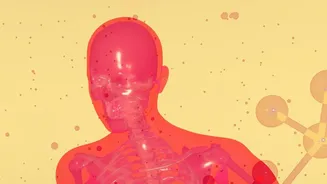
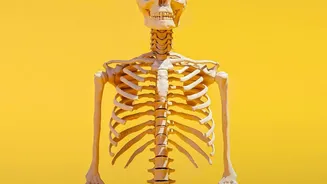
Our bones are in a constant state of renewal, a process called remodelling, where old bone tissue is broken down and replaced with new. Skeletal mineral loss, which can lead to conditions like osteopenia and osteoporosis, happens when this balance tips
and we lose bone faster than we can build it. This makes bones weaker and more prone to fractures, a significant concern, particularly for postmenopausal women and older adults in India. Factors like age, diet, lifestyle, and hormonal changes all play a part in this gradual decline in bone density.
Calcium: The Essential Building Block
When we think of strong bones, we think of calcium, and for good reason. It is the most abundant mineral in the body, with 99% stored in our bones and teeth, providing the fundamental structure and strength. Our bodies cannot produce calcium, so we must get it from our diet or supplements. Good dietary sources include dairy products, sardines, and green leafy vegetables. When intake is insufficient, the body 'borrows' calcium from our bones for other vital functions, which can weaken the skeleton over time.
Vitamin D3: The Absorption Agent
Simply consuming calcium isn't enough; your body needs to be able to absorb it from your digestive system into your bloodstream. This is where Vitamin D3, the 'sunshine vitamin', plays its crucial role. Vitamin D3 facilitates the absorption of calcium from the gut. Without adequate Vitamin D3, even a calcium-rich diet can fall short of meeting your body’s needs, as the mineral won't be available for use. In India, Vitamin D deficiency is surprisingly common, making this partnership even more critical for bone health.
Vitamin K2: The Smart Traffic Controller
This is the often-overlooked hero of bone health. While D3 gets calcium into the blood, Vitamin K2 tells that calcium where to go. It acts like a traffic controller, activating proteins that direct calcium to be deposited in your bones and teeth. One of these key proteins is osteocalcin. Crucially, Vitamin K2 also helps prevent calcium from being deposited in the wrong places, such as arteries and other soft tissues. This addresses the 'calcium paradox', where people may have weak bones (osteoporosis) while simultaneously experiencing hardened arteries (arterial calcification) from misplaced calcium.
The Power of Three: A Synergistic Trio
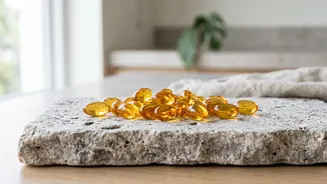
The real magic happens when these three nutrients work together. Research shows this combination offers superior support for bone health compared to taking any of them alone. Vitamin D3 boosts calcium absorption, raising its levels in the blood, while Vitamin K2 then activates the proteins needed to bind that calcium to the bone matrix, effectively locking it into your skeleton. This synergy ensures that the calcium you consume is not only absorbed but is also used correctly, supporting bone mineral density while protecting cardiovascular health. Taking calcium and D3 without K2 might leave the calcium unguided, which is why many modern bone health formulas now include all three.
Making the Right Choice for Your Health
While supplements can be a powerful tool, they work best alongside a healthy lifestyle that includes a balanced diet and regular weight-bearing exercise. Dietary sources of K2 include fermented foods like natto, hard cheeses, and egg yolks. Given that individual needs vary based on age, diet, and overall health, it's essential to approach supplementation thoughtfully. Many comprehensive bone support formulas available in India now combine these three key nutrients, but understanding the right dosage and form for you is a conversation best had with a healthcare professional.