






Why Washable Wins in the Monsoon
During the rainy season, the air is thick with moisture, and this humidity is what makes fabrics feel perpetually damp and develop that all-too-familiar musty smell. Materials that trap moisture become breeding grounds for mould and mildew, which are
not only unsightly but also unhealthy. Washable fabrics are the perfect antidote. Their primary advantage lies in their ability to be cleaned easily and frequently, preventing the buildup of grime and allergens. More importantly, many of these fabrics are either naturally quick-drying or have moisture-wicking properties, which is a game-changer in a humid climate. By opting for materials you can toss in the wash, you’re choosing a low-maintenance, hygienic, and stylish way to keep your home feeling fresh and airy, no matter how much it pours outside.
The Breathable Classic: Cotton
Cotton is a timeless favourite for good reason. It is inherently soft, breathable, and comfortable, making it a natural fit for home furnishings. During the monsoon, its ability to allow air to circulate helps prevent that sticky, clammy feeling on sofas and cushions. While pure cotton can absorb a fair bit of moisture, opting for cotton blends, especially with polyester, can be a smarter move. These blends retain the softness of cotton but gain the quick-drying and durable properties of the synthetic fibre. Think lightweight cotton curtains that billow in the breeze, colourful block-printed cushion covers that can be swapped out and washed weekly, or soft dohars that provide just the right amount of comfort on a cool, rainy night.
Linen: The Effortlessly Chic Choice
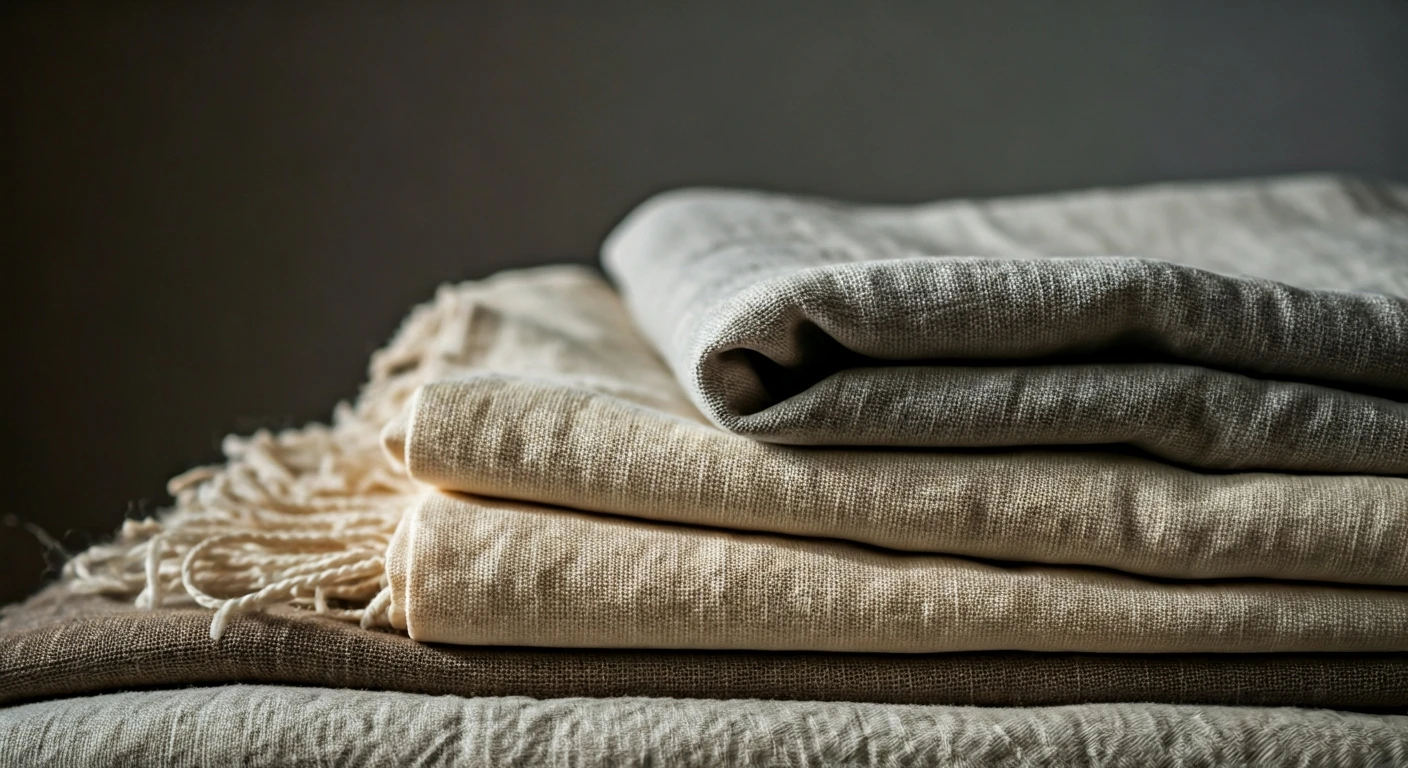
If you’re aiming for an aesthetic that is both relaxed and refined, linen is your answer. Derived from the flax plant, linen is exceptionally strong, absorbent, and dries faster than cotton, making it a superstar fabric for humid conditions. One of linen’s best qualities is that it naturally resists moisture buildup, helping to regulate temperature and keep your living space from feeling stuffy. Its distinct, slightly crumpled texture adds a layer of effortless elegance to any room. Use it for airy drapes that let in diffused light, for crisp tablecloths and runners that elevate your dining space, or for stylish sofa throws. While pure linen can be prone to wrinkling, many now see this as part of its charm.
Performance Fabrics: The Modern Marvels
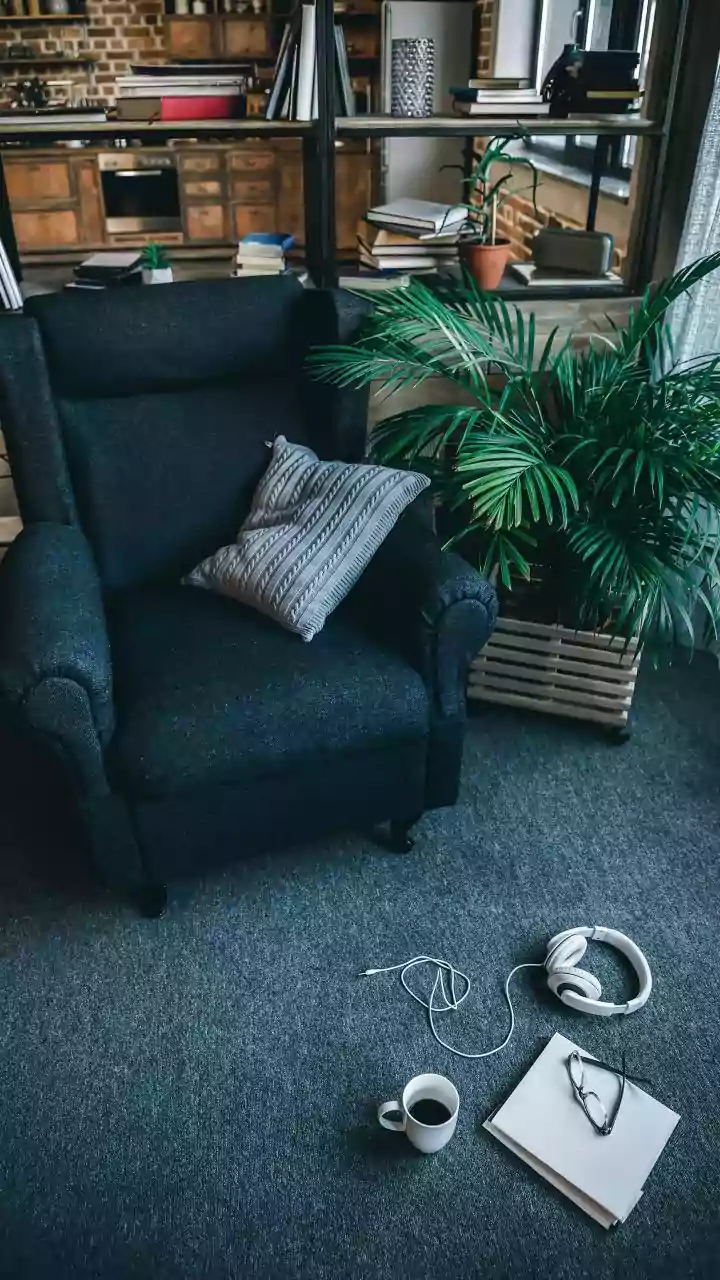
For high-traffic areas like the living room sofa or dining chairs, performance fabrics are an unbeatable choice. These are synthetic materials like polyester, nylon, microfiber, and olefin that are specifically engineered for durability and easy maintenance. Many are treated to be water-repellent and stain-resistant, meaning spills often bead up on the surface instead of soaking in, allowing you to wipe them away quickly. Microfiber, for instance, has a tightly woven structure that is not only soft to the touch but also resists stains and pet hair. Performance fabrics are designed for real life, making them ideal for households with children, pets, or anyone who wants their furniture to look great with minimal fuss, especially during the challenging monsoon months.
Simple Swaps for a Monsoon-Ready Home
You don’t need to completely redecorate to benefit from washable fabrics. Start with small, high-impact changes. Swap out heavy, thick curtains for sheer linen or cotton drapes to improve airflow and light. Trade your velvet or silk cushion covers for options made of cotton blends or removable performance fabrics. Instead of a thick, heavy rug that can trap dampness, consider a washable cotton dhurrie or a smaller, easy-to-clean polypropylene mat. A few lightweight linen or cotton throws on your sofa not only add a pop of colour but can also be laundered regularly to keep everything feeling fresh. These simple swaps can transform the feel of your home, making it a more pleasant and comfortable sanctuary during the wet season.
Keeping Everything Fresh and Clean
Owning washable fabrics is half the battle; the other half is proper care. During the monsoon, it's wise to wash soft furnishings like cushion covers and throws more frequently to prevent mildew. When you do the laundry, avoid leaving damp clothes sitting in the machine, as this is where musty smells begin. Since sun-drying can be a rare luxury, find a well-ventilated spot indoors, perhaps near a fan, to dry everything completely. Don't overcrowd the drying rack, as good air circulation is key. Once dry, ironing can help remove any last traces of lingering moisture. For storage, ensure your cupboards are dry, and consider using moisture absorbers like silica gel pouches to protect stored linens.