






The Scale of Spoilage
Across India, a staggering amount of fresh produce is lost after harvest. Estimates suggest that post-harvest losses for fruits and vegetables can range from 5% to as high as 40% for certain highly perishable items. This wastage, valued at thousands of crores
annually, is not just an economic drain but a blow to national food security. Much of this loss occurs within the supply chain, particularly at wholesale markets, or mandis, where produce often sits for extended periods. The primary culprits are heat, humidity, and improper handling, which create the perfect breeding ground for bacteria and fungi that cause rot.
Inside a Traditional Mandi
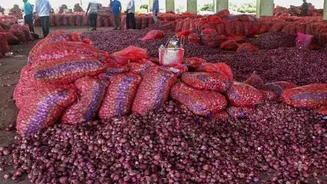
Walk through a typical wholesale market, and the problem becomes clear. Vegetables are often piled high on the floor, exposed to the elements, pests, and physical damage from being moved around. Few traditional mandis are equipped with temperature-controlled environments. This lack of scientific warehousing means that a farmer's hard-earned harvest is in a race against time. The absence of adequate cold storage forces farmers and traders into distress sales, accepting lower prices to move produce quickly before it spoils. This dynamic hurts farmer incomes and contributes to the price volatility that consumers frequently experience.
The Promise of Modern Storage
Improving mandi storage is about more than just building bigger godowns; it's about introducing a scientific approach to preservation. Modern solutions include pre-cooling units, which remove field heat from produce immediately after harvest, and multi-chamber, multi-commodity cold storage facilities. These refrigerated units extend the shelf life of perishables like tomatoes and leafy greens from a few days to several weeks. Furthermore, improved infrastructure involves better sorting, grading, and packaging facilities. Using proper crates instead of piling produce on the ground minimises bruising and contamination, preserving the quality and market value of the vegetables.
The Ripple Effect of Saving a Tomato
The benefits of modernised storage ripple outward, touching every part of the food system. For farmers, the ability to store produce safely means they are no longer at the mercy of daily price fluctuations and can wait for better market rates, potentially boosting their income by 15-20%. For traders and wholesalers, reduced spoilage means lower business losses and a more stable supply. This stability ultimately benefits consumers through better quality produce and more predictable pricing. A robust cold chain also encourages farmers to diversify into higher-value, more perishable crops, knowing they can be stored and transported safely.
Overcoming the Hurdles
While the solution is clear, implementation faces challenges. The primary obstacle is the high capital cost of building modern cold chain infrastructure, coupled with the need for a reliable electricity supply to power it, a persistent issue in many rural areas. To address this, various government initiatives are in place. Schemes like the Agriculture Infrastructure Fund (AIF) and the Gramin Bhandaran Yojana offer subsidies and financial support for creating farm-gate storage and modernising warehouses. These programs aim to establish a network of decentralised storage facilities, including at the level of Farmer Producer Organisations (FPOs), empowering local communities to manage their produce more effectively and reduce waste from the ground up.