







The Pinch at the Grocery Basket
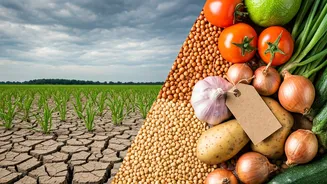
Across markets in India, the cost of essential food items is on an upward trend. Vegetables like tomatoes and onions, alongside various pulses, have seen noticeable price hikes in recent weeks. This isn't a coincidence; it's the end result of a complex
chain of events that begins hundreds of kilometres away in the country's agricultural heartlands. While overall headline inflation has remained relatively contained, food inflation has been ticking up, driven by these seasonal price shocks in perishable goods. These increases directly impact household budgets, squeezing discretionary spending and forcing families to reconsider their daily menus.
A Monsoon in Deficit
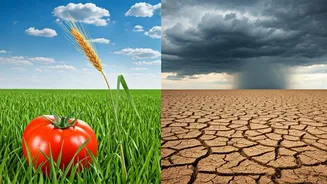
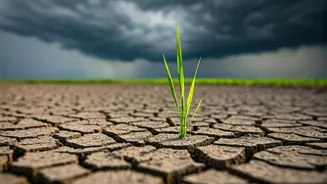
The Southwest monsoon is the lifeblood of Indian agriculture, with a vast portion of the country's farmland dependent on it for irrigation. This year, however, the monsoon has been worryingly weak. As of late June 2026, rainfall across India was significantly below the long-period average, with some reports citing a cumulative deficit of over 40%. This shortfall is particularly severe in key agricultural states like Maharashtra, Madhya Pradesh, and Telangana, which are major producers of pulses, soybeans, and vegetables. The India Meteorological Department (IMD) has forecast a below-normal monsoon season, attributing the weakness to the strengthening El Niño phenomenon, a climatic pattern known for suppressing rainfall in India.
From Parched Fields to Price Spikes
The connection between poor rainfall and high food prices is direct. The significant deficit in June has delayed the sowing of crucial kharif (summer) crops. Farmers are hesitant to plant without adequate soil moisture, leading to a substantial year-on-year drop in the acreage for paddy, pulses, and oilseeds. This delay and reduction in sowing area inevitably lead to a tighter supply. When fewer crops are planted and yields from existing ones are threatened by dry conditions, the volume of produce reaching the wholesale mandis shrinks. This creates a classic supply-demand imbalance: with less produce available and consistent demand from a billion-plus population, wholesalers and retailers must pay more. That increased cost is ultimately passed on to the end consumer.
An Economic Ripple Effect
The impact of a weak monsoon extends far beyond the farm gate and the local market. Rising food inflation is a major concern for the nation's economic planners. The Reserve Bank of India has flagged the erratic monsoon as a significant risk to the overall inflation outlook. Persistent high food prices can push headline inflation up, potentially complicating decisions on interest rates. Furthermore, since a large part of India's workforce is employed in agriculture, poor crop output leads to reduced farm incomes. This can dampen rural demand for goods and services, affecting sectors from fast-moving consumer goods (FMCG) to two-wheelers and tractors.
What to Watch for Next
The coming weeks will be critical. The performance of the monsoon through July and August will determine whether there's a recovery in sowing and whether crop yields can be salvaged. The government has already acknowledged the situation, with contingency plans reportedly activated for hundreds of districts identified as vulnerable to deficient rainfall. These plans often include promoting drought-resistant seed varieties and water conservation techniques. Consumers should keep an eye on monsoon progress reports, as they will be the best indicator of whether to expect relief from high food prices or a continuation of the upward trend in the months ahead.