





Why Leaks Demand Your Immediate Attention
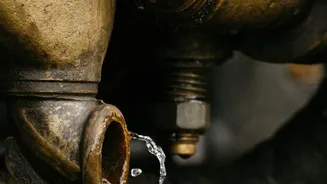
For any landlord, a water leak is more than just a minor inconvenience; it's a significant financial and structural threat. Even a small, unattended drip can lead to widespread issues like mould growth, rotting frames, compromised foundations, and peeling
paint. The costs of repairing extensive water damage often far exceed the expense of preventative maintenance. In India, where rental relationships are governed by laws like the Model Tenancy Act, 2021, landlords are generally responsible for major structural repairs, including significant plumbing failures and leakages. Failing to address these issues can lead to tenant disputes and legal complications, making proactive leak management a critical part of your responsibilities.
The Proactive vs. Reactive Approach
Many property owners fall into a reactive maintenance trap, only fixing problems after a tenant reports them. This approach is almost always more expensive and stressful. A proactive strategy, on the other hand, involves creating a schedule to regularly inspect and maintain your property's vulnerable systems. This doesn't just prevent emergencies; it extends the life of your plumbing and appliances, enhances the value of your property, and leads to greater tenant satisfaction. The choice is clear: waiting for a burst pipe or a ceiling stain is a gamble. A planned maintenance calendar is an investment in peace of mind and financial stability.
Building Your Seasonal Leak-Focused Calendar
India's diverse climate, particularly the intense monsoon season, makes a seasonal maintenance plan essential. By timing your inspections, you can address weather-related stress on your property before it causes damage. A seasonal approach helps you stay organised and ensures critical tasks are not forgotten. Pre-Monsoon (Summer): Before the rains arrive, focus on the building's exterior. Inspect the roof for any damaged tiles or cracks. Clean out all gutters and downspouts to ensure rainwater can flow away from the building's foundation. Check the seals around all windows and doors for gaps that could let water in and repair them as needed. During Monsoon: This is a time for vigilance. After heavy rainfall, do a quick visual check for any signs of new water stains on ceilings or walls. Encourage your tenants to promptly report any signs of dampness or dripping sounds. Post-Monsoon & Winter: Once the rains have passed, inspect for any damage that may have occurred. Check basements and lower walls for dampness. In cooler months, inspect internal plumbing, especially in areas prone to low temperatures, to prevent pipes from cracking.
Key Interior and Exterior Inspection Points
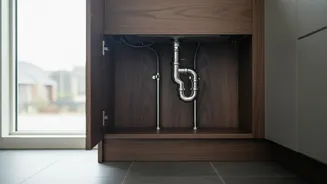
A thorough inspection is the heart of your maintenance plan. Don't just look for obvious drips; check for subtle signs of trouble. Inside the property, regularly inspect under all sinks in kitchens and bathrooms for moisture or slow drips. Examine the base of toilets, the area around water heaters, and the connections to washing machines and dishwashers. Water stains, musty smells, or peeling paint are all red flags that point to a hidden leak. Outside, look at exterior taps and hose connections. Check for puddles or unusually damp ground near the foundation, which could indicate an issue with drainage or underground pipes.
Documentation and Tenant Communication
A successful maintenance program relies on good records and clear communication. Use a digital tool or a simple logbook to track all inspections, repairs, and scheduled tasks. This creates a maintenance history for your property that is invaluable for future planning. Equally important is educating your tenants. Provide them with clear instructions on how to identify and report potential leaks promptly. When tenants understand that reporting a small issue quickly helps protect their living space and prevents major disruptions, they become your partners in property care. A good landlord-tenant relationship built on open communication is essential for managing maintenance effectively.