




The Heart of the Matter: Cardio Benefits
Both aerobics and trampolining (also known as rebounding) are excellent forms of cardiovascular exercise. Aerobics, which includes everything from dance-based classes to step workouts, has long been a go-to for improving heart health, lung capacity, and circulation.
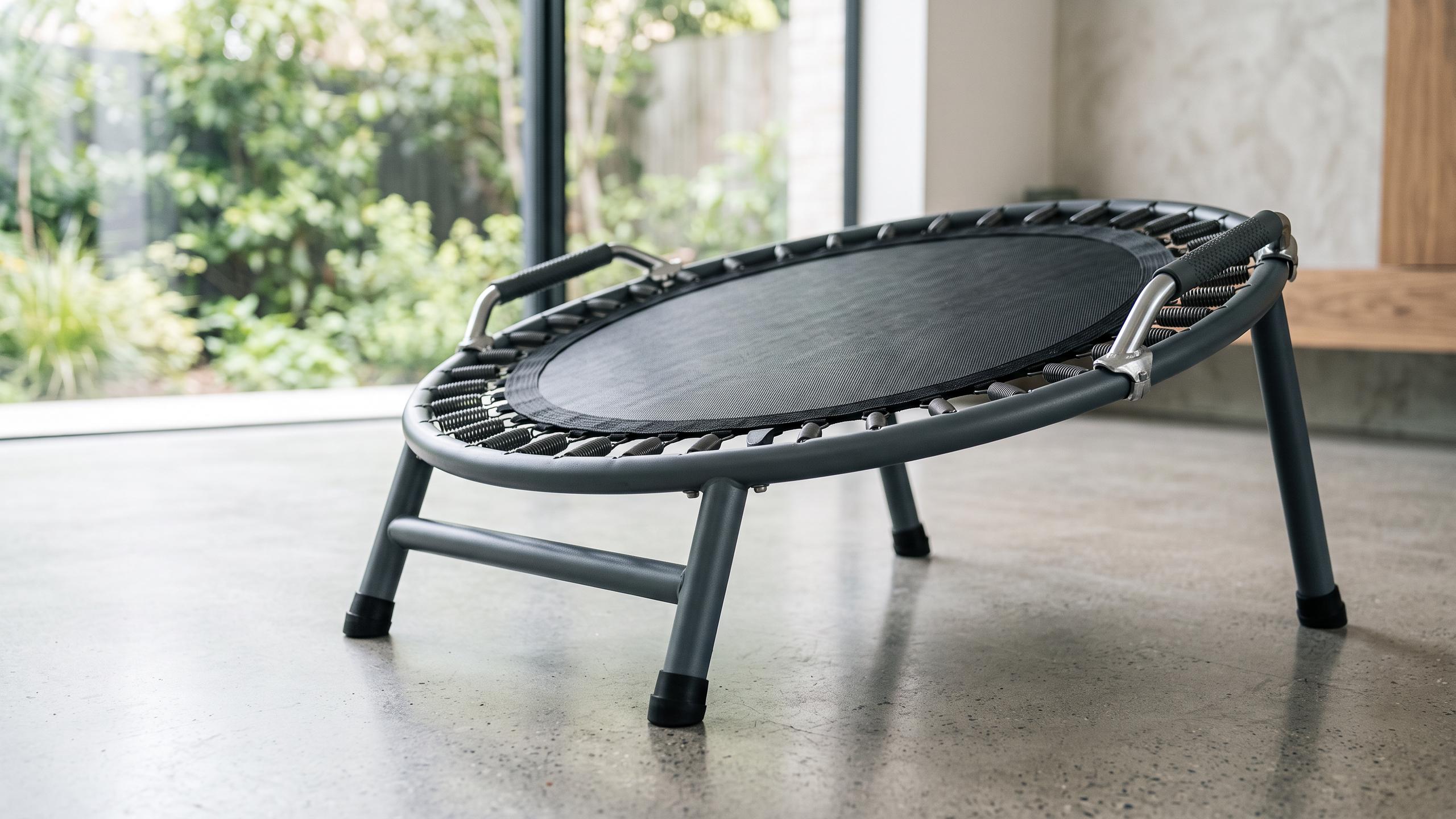
Its structured routines are designed to keep your heart rate elevated. Trampolining, on the other hand, offers a surprisingly efficient cardio workout. A well-known 1980 NASA study highlighted that rebounding could be significantly more effective than jogging for improving cardiovascular fitness at the same level of oxygen consumption. The unique G-force created by bouncing engages the body in a way that running on a flat surface doesn't, making it a time-efficient option for a heart-healthy workout.
A Softer Landing: Joint Impact
Here lies one of the most significant differences between the two activities. Traditional high-impact aerobics can put considerable stress on the ankles, knees, and hips. While low-impact versions exist, the repetitive movements on a hard floor can still be challenging for those with joint sensitivities or pre-existing injuries. Trampolining is the clear winner for joint preservation. The flexible surface of a rebounder absorbs the majority of the impact with each bounce, with some studies suggesting it can reduce joint stress by up to 80% compared to running on pavement. This makes it an ideal choice for individuals seeking an intense workout without the jarring force on their skeletal system.
The Calorie Burn Question
When it comes to burning calories, the answer isn't straightforward, as intensity is key for both workouts. A high-intensity aerobics class can burn a substantial number of calories, often comparable to or even more than a steady run. Similarly, the calorie burn from trampolining varies widely based on the intensity of the bouncing. Some research indicates that rebounding can burn more calories than jogging in the same amount of time. However, a vigorous, high-impact aerobics session will likely outpace a gentle bounce on a rebounder. Ultimately, how hard you work determines the outcome, but both offer excellent potential for calorie expenditure.
More Than Just Cardio: Other Benefits
Beyond heart health, each activity offers unique advantages. Trampolining is praised for its ability to improve balance and coordination, as the unstable surface forces your stabiliser muscles to constantly engage. Many proponents also claim it stimulates the lymphatic system, helping the body clear toxins, although scientific consensus on this specific claim is still developing. Aerobics, particularly choreographed routines, can enhance cognitive function, coordination, and rhythm. Depending on the class, it can also provide a full-body toning workout, integrating movements that strengthen the arms, core, and legs within one session.
The Verdict: Fun, Cost, and Your Fitness Goals
So, which is better? The truth is, neither is universally superior. The best choice depends entirely on your personal needs and preferences. If you crave social interaction, structured routines, and the energy of a group class, aerobics might be your perfect match. If you have sensitive joints or are looking for a fun, low-impact workout you can do at home, a mini-trampoline is an excellent investment. Consider the 'fun factor'—the most effective workout is the one you'll stick with consistently. Trampolining's playful nature can make exercise feel less like a chore, potentially boosting long-term adherence.