



The Freedom of Going Visa-Free
The game has officially changed for Indian passport holders. As of September 15, 2026, travellers can enter Thailand for tourism and stay for up to 30 days without a visa. This move from the previous visa-on-arrival system eliminates paperwork, pre-travel
anxiety, and costs, putting the power of spontaneity directly into the hands of backpackers. Instead of being tied to a fixed itinerary for a visa application, you can now land in Bangkok with a loose plan and a thirst for exploration. This flexibility is the cornerstone of a true backpacking adventure, where the journey is defined by discoveries, not deadlines. While you don't need a visa, immigration officials may still ask for proof of sufficient funds (around 20,000 Baht) and a valid passport.
Crafting a Truly Flexible Itinerary
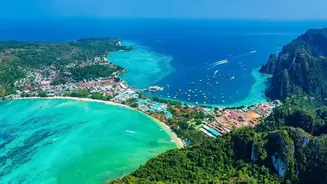
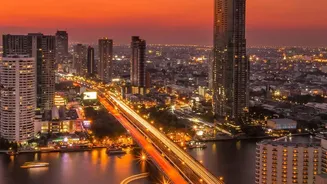
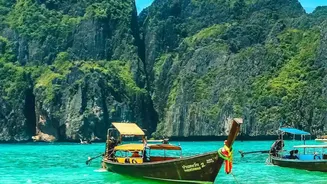
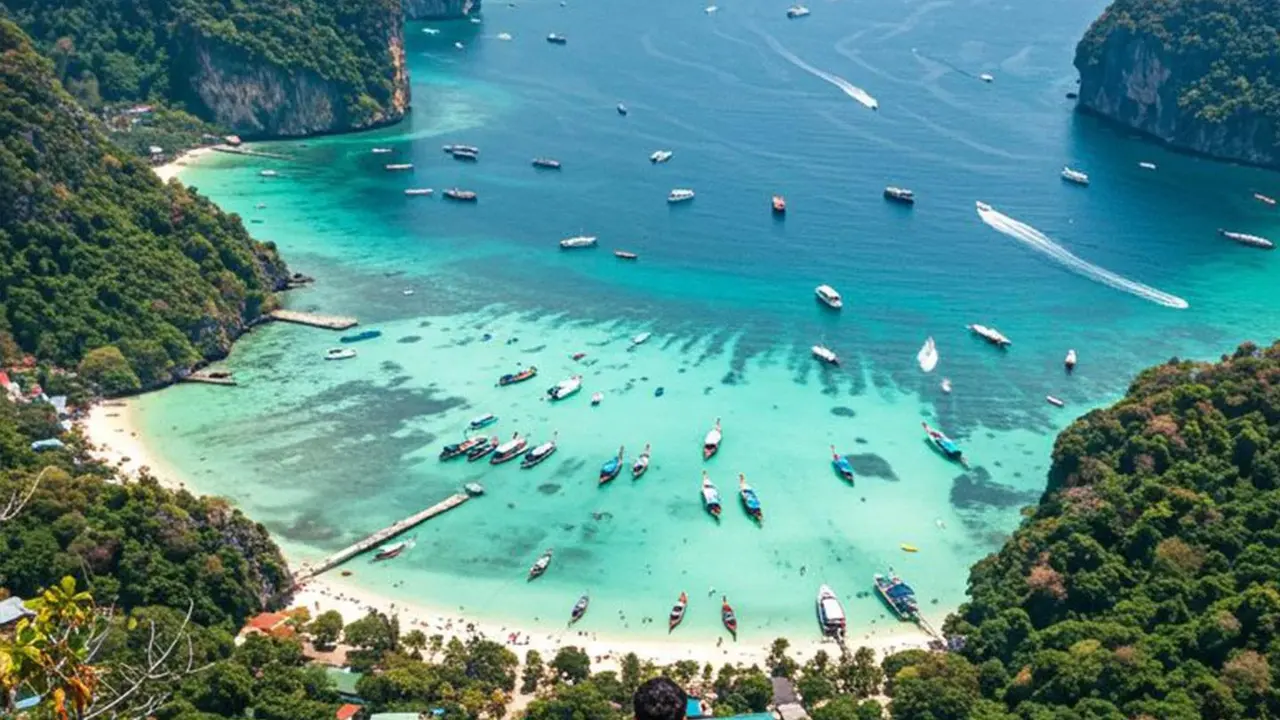
A visa-free trip allows you to let the experience guide you. You can follow the classic backpacker trail or forge your own path without worrying about a looming visa expiration date dictating your next move. Many start in the electric chaos of Bangkok, a hub for cheap flights from India. From there, the country is your oyster. You can take an overnight train north to the cultural heart of Chiang Mai for temple visits and cooking classes. If the laid-back mountain vibe of nearby Pai captivates you, you can decide to stay for a week instead of two days. Later, hop on a budget flight south to the Andaman coast. The choice between the party scenes of Phuket and the rock-climbing paradise of Krabi can be made on a whim, based on conversations with fellow travellers in your hostel.
Adventure on a Backpacker's Budget
Flexibility and budget travel go hand in hand. With the money saved on visa fees, young travellers can invest more in actual experiences. A typical daily budget for a backpacker can be as low as ₹2,500-₹4,000, covering a hostel bed, street food, and local transport. This kind of low-cost living is supported by Thailand's incredible infrastructure for tourists. Inexpensive and delicious street food is everywhere, overnight buses and trains connect major destinations efficiently, and a vibrant network of social hostels makes it easy to find affordable accommodation and meet other explorers. This financial freedom allows you to say 'yes' to spontaneous adventures, whether it's an unplanned scuba diving course in Koh Tao, a jungle trek in Khao Sok National Park, or an island-hopping tour you just heard about.
Embracing the Backpacker Ecosystem
Thailand is perfectly set up for the independent, flexible traveller. The country's well-trodden backpacker route means you are never far from support and camaraderie. Hostels are more than just a cheap place to sleep; they are social hubs where you can trade tips, find travel buddies for the next leg of your journey, and get the most up-to-date information on local transport and hidden gems. This ecosystem thrives on spontaneity. You might join a group heading to a Full Moon Party on Koh Phangan or decide to rent a scooter with new friends to explore the waterfalls around Chiang Mai. This social infrastructure reduces the friction of solo travel and encourages you to make decisions on the fly, creating a more organic and memorable trip.
A Sample Spontaneous Journey
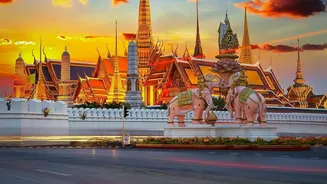
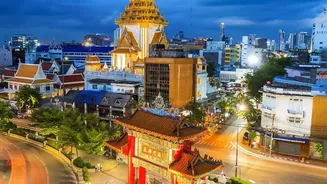
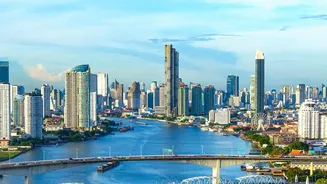
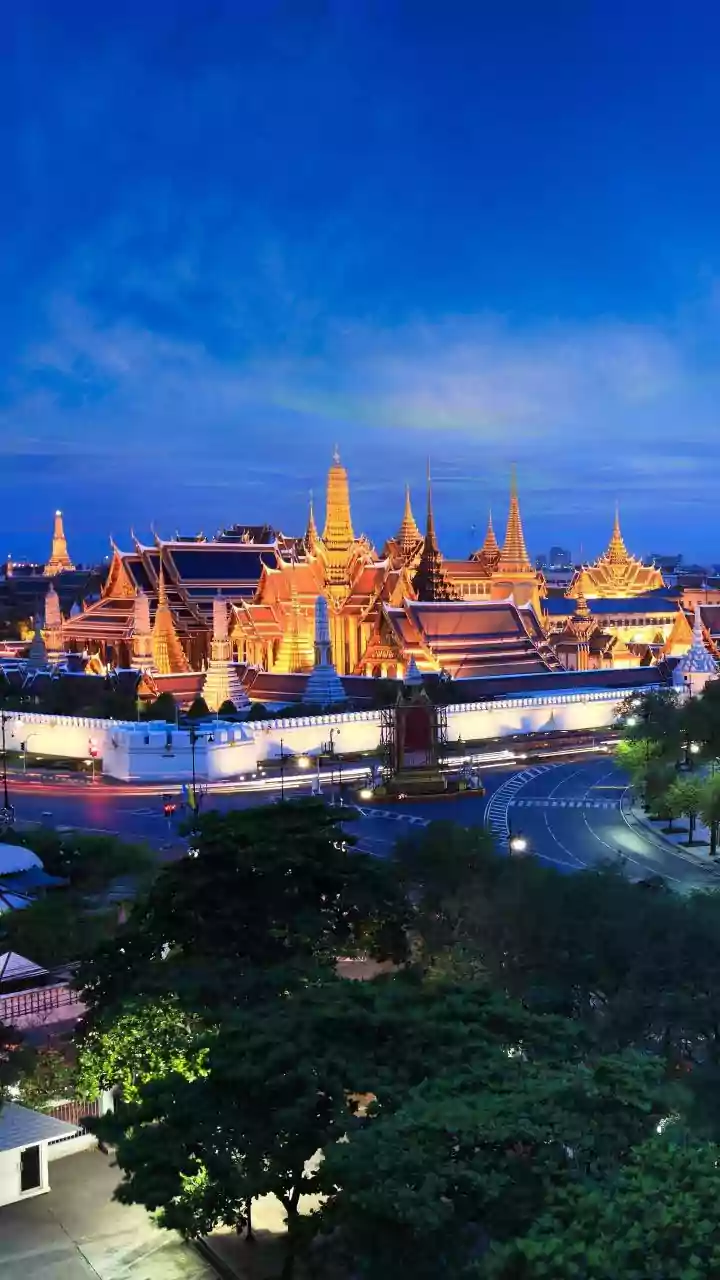
While the point is not to have a rigid plan, a rough outline can be helpful. A month-long trip could start with 3-4 days in Bangkok, acclimatising to the energy and exploring major sights like the Grand Palace. From there, head north to Chiang Mai for a week of culture, trekking, and maybe a side trip to Pai. Next, fly south to Krabi and spend 7-10 days exploring Railay Beach and island hopping to places like Koh Lanta. Finally, dedicate the last week to the Gulf islands like Koh Samui or the diver's paradise of Koh Tao before heading back to Bangkok for your flight home. The key is that each duration is a suggestion. If you fall in love with a place, the visa-free status gives you the luxury of staying longer without any bureaucratic hassle.