


Makhan Mishri
No Janmashtami bhog is complete without Makhan Mishri, a tribute to Lord Krishna's childhood nickname, 'Makhan Chor' (butter thief). This uncooked offering symbolizes purity and sweetness and is believed to be Krishna's absolute favourite. Its beauty
lies in its simplicity, requiring just two core ingredients: fresh, unsalted white butter and the sweet crunch of rock sugar (mishri). To prepare, take about a cup of fresh white butter in a bowl. If using store-bought butter, rinse it a few times in cold water to remove any salt. Gently fold in two to three tablespoons of crushed or whole mishri. For added aroma, you can mix in a pinch of cardamom powder. A Tulsi leaf is traditionally placed on top before it is offered, signifying its sacredness.
Dhaniya Panjiri
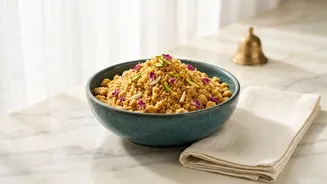
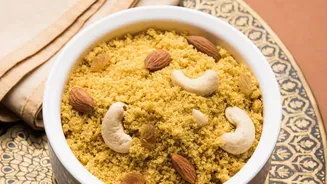
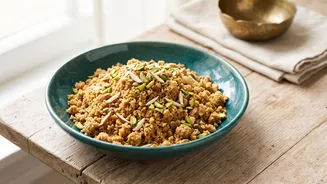
Dhaniya Panjiri is a unique prasad made especially for Janmashtami, particularly in North India. Since many devotees fast and avoid grains like wheat, this panjiri uses roasted coriander seed powder as its base. To make it, dry roast a cup of coriander powder in a pan with about three to four tablespoons of ghee until it becomes fragrant and golden. In the same pan, lightly roast a mix of chopped nuts like almonds and cashews, along with melon seeds and grated dry coconut. Once everything has cooled down, combine the roasted coriander powder, nuts, and half a cup of powdered sugar. This nutritious and aromatic prasad is often the first thing eaten after breaking the fast at midnight.
Gopalkala (Dahi Poha)
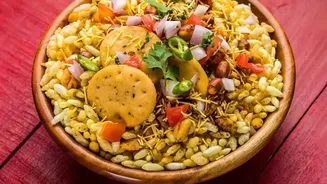
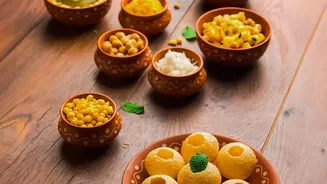
Gopalkala is a savoury Maharashtrian dish that holds a beautiful story. It is said that Krishna would mix the lunches of his cowherd friends (Gwalas) with curd, creating a shared meal that symbolized unity. This easy, no-cook recipe is a mix of flattened rice (poha), yoghurt, cucumber, and simple spices. To prepare, wash and soak a cup of thick poha for a few minutes and then drain it. In a large bowl, whisk half a cup of yoghurt and mix it with the soaked poha. Add chopped cucumber, grated coconut, and salt. For the tempering, heat a tablespoon of ghee and add cumin seeds, chopped green chillies, and ginger. Pour this over the poha mixture and combine well. It is the same delicacy that fills the famous Dahi Handi.
Makhana Kheer
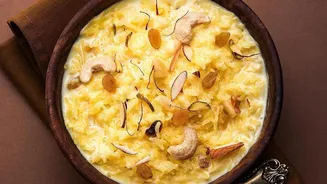
A creamy and comforting kheer is a staple at most Indian festivals. For Janmashtami, Makhana Kheer, made from puffed lotus seeds (fox nuts), is a perfect choice, especially for those who are fasting. Makhana is rich in nutrients and provides energy without being too heavy. Start by lightly roasting one cup of makhana in a tablespoon of ghee until they are crisp. You can crush them slightly for a thicker consistency. In a separate heavy-bottomed pan, bring about a litre of full-fat milk to a boil. Add the roasted makhana and let it simmer until the seeds soften and the milk thickens. Stir in sugar to taste, a pinch of cardamom powder, and garnish with chopped almonds and pistachios before offering.
Mawa Peda
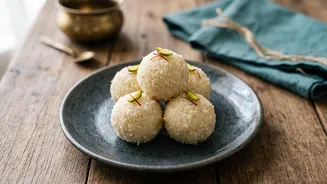
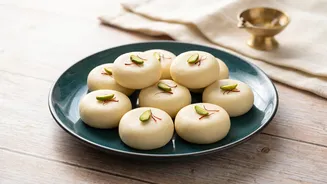
Pedas are a classic milk-based sweet strongly associated with offerings to Lord Krishna in temples and homes across India. While they look intricate, a simple version can be made at home with just a few ingredients. The key ingredient is mawa, also known as khoya (dried milk solids). To begin, crumble about 250 grams of mawa and cook it in a heavy-bottomed pan on low heat, stirring continuously until it softens and turns a light golden colour. Once it starts coming away from the sides, remove it from the heat and let it cool slightly. Add powdered sugar and cardamom powder, mixing well until a smooth dough is formed. Shape this mixture into small, round pedas and press a thumb gently in the centre to create the classic shape.
Panchamrit
Panchamrit, meaning 'five nectars', is a sacred concoction used in Hindu rituals and is an essential part of the Janmashtami bhog. It is made by combining five pure ingredients: raw milk, curd (yoghurt), honey, ghee (clarified butter), and sugar. The preparation is simple but must be done with care. In a clean bowl, gently mix one cup of milk, half a cup of curd, two tablespoons of honey, one tablespoon of ghee, and one tablespoon of sugar. It is important not to whisk the mixture vigorously but to stir it gently until just combined. A few Tulsi leaves are often added before it is offered to Lord Krishna, after which it is distributed among devotees as a blessed drink.