


A New Frontier in Medical Screening
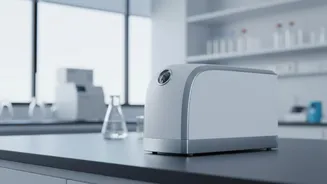
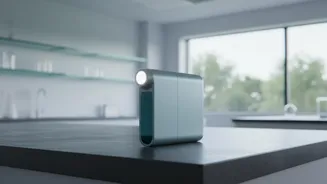
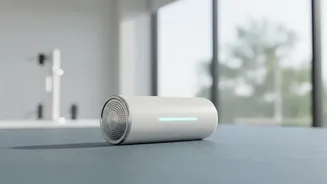
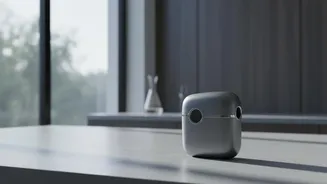
A new wave of medical technology is emerging from Indian labs, centered on what scientists call an 'electronic nose'. This isn't a single product but a category of advanced devices that use nano-sensors and artificial intelligence to diagnose diseases
non-invasively. Recent attention has focused on innovations from institutions like IIT Jodhpur, IIT Kharagpur, and TCS Research, all developing handheld breathalyzers that can screen for a range of conditions. For instance, at the Bengaluru India Nano 2026 conference, researchers showcased an AI-enabled nanosensor designed to screen for pre-diabetes simply by analyzing a person's breath, a condition affecting an estimated 136 million people in India. These devices promise to make early disease detection faster, cheaper, and more accessible than ever before.
The Science of a Single Breath
How can a simple exhale reveal so much about your health? The answer lies in Volatile Organic Compounds (VOCs). These are microscopic molecules produced by our body's metabolic processes. When diseases like cancer or diabetes develop, they alter these processes, creating a unique 'breath-print' of VOCs. The new generation of sensors, often built with advanced nanomaterials, are sensitive enough to detect these trace compounds in concentrations as low as parts-per-billion. The 'AI' part of the equation is just as crucial. Machine learning algorithms are trained on thousands of breath samples to recognize the specific patterns associated with different diseases, differentiating between a healthy person and someone with an early-stage illness. This combination of nano-sensitivity and AI-powered pattern recognition is what gives these devices their diagnostic power.
A Game-Changer for Indian Healthcare
The potential impact of this technology in India is immense. In a country where access to specialized diagnostic labs can be a challenge, particularly in rural areas, a low-cost, portable, and non-invasive screening tool is revolutionary. Traditional diagnostic methods like blood tests or biopsies are invasive, time-consuming, and require trained personnel and lab infrastructure. Breath analysis, on the other hand, can deliver results in minutes. This could empower community health workers to conduct mass screenings for conditions like tuberculosis, lung cancer, or diabetes, catching them at a much earlier, more treatable stage. For example, a device developed by IIT Kharagpur is already in clinical trials for detecting chronic kidney and liver diseases. By making screening routine and accessible, these devices could fundamentally shift the healthcare paradigm from treatment to prevention.
Accuracy, Timelines, and the Road Ahead
While the promise is great, it's important to understand where the technology currently stands. Many of these devices are in the advanced research or clinical trial phase. Studies have reported high diagnostic accuracy, with some AI models for cancer detection achieving 89% to 95% accuracy in research settings. For example, a patented technology called VolTrac claims a lab-verified accuracy of 98.5% for detecting VOC signatures of diseases like cancer and tuberculosis. However, large-scale validation across diverse populations is a critical next step before these devices can be widely deployed. Researchers are focused on miniaturizing the technology, reducing costs, and ensuring the AI models are robust and reliable. The journey from lab to clinic is complex, involving regulatory approvals and scaling up manufacturing, but the progress being made by Indian researchers and startups is bringing this transformative technology closer to becoming a clinical reality.