






Uncovering Stories in the Stacks
Before you even set foot on a new street, a story awaits in the quiet halls of an archive. This isn't about dusty, academic research. It’s about connection. Local archives, libraries, and small museums are treasure troves of human experience. Here, you can
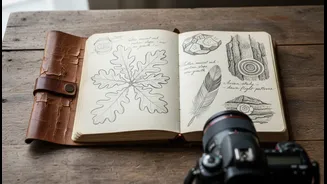
find old maps that reveal how a city grew, photographs that show the faces of its past residents, or letters that speak of forgotten dreams and daily struggles. Spending even an hour with these materials provides a rich, historical layer to your journey. Suddenly, a simple building is no longer just a building; it's the site of a famous debate, and the park you stroll through was once a bustling marketplace. Contacting the archivist before your visit can help you find the most relevant materials for your interests. This act of looking back grounds your present experience, transforming you from a passive tourist into a thoughtful observer who understands the context of the place you are in.
The Art of the Aimless Walk
Once you have a sense of the past, the best way to feel the pulse of the present is to simply walk. But not just in the crowded tourist centres. The real magic happens when you wander through residential neighbourhoods with no destination in mind. This is the essence of 'slow travel,' a philosophy that prioritises depth over distance and connection over checklists. By moving at a leisurely pace, you give yourself the chance to notice the small details: the architecture of the homes, the sounds of children playing, the smell of a local bakery. These walks are a form of mindfulness, allowing you to be fully present and absorb your surroundings without the pressure of a packed itinerary. They foster a deeper cultural connection and can lead to discovering hidden gems—a tiny cafe, a community garden, or a local artisan's shop—that no guidebook could ever tell you about. This simple act reduces stress and enhances well-being, turning your trip into a more relaxing and fulfilling experience.
Finding Clarity in a Quiet Meal
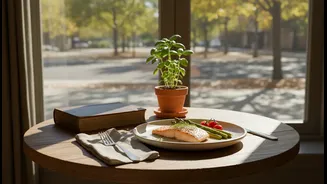
While many travellers fear the idea of dining alone, a quiet meal can be one of the most profound parts of a journey. It's not about loneliness, but about solitude—a chosen state of being that allows for reflection and observation. Psychologists suggest that people who are comfortable eating alone often possess greater emotional independence and self-awareness. Without the distraction of conversation, your senses are heightened. You can truly savour the flavours of the local cuisine, notice the decor of the restaurant, and observe the interactions happening around you. This mindful eating turns a simple meal into a meditative practice. It provides a valuable opportunity to process the day's discoveries, to sit with your thoughts, and to simply be. You become more approachable, and you might find yourself in a conversation with the restaurant owner or a fellow traveller, opening a door to authentic connection. Far from being an awkward experience, a solo meal is an act of confidence and an invitation to immerse yourself more deeply in your surroundings.
A Journey Woven, Not Checked Off
These three elements—the historical context from archives, the present-moment awareness from walks, and the personal reflection from quiet meals—weave together to create a travel experience that is uniquely yours. It’s a journey that engages the mind and the senses, connecting past and present, place and person. This approach shifts the focus from 'doing' to 'being'. It's not about how many things you saw, but how deeply you were able to connect with a single place. This method fosters a more sustainable and meaningful way of travelling, one that leaves you feeling refreshed and enriched, not exhausted. The memories created are not just snapshots for social media, but lasting impressions that shape your understanding of the world and yourself.