







The Problem with Long Ingredient Lists
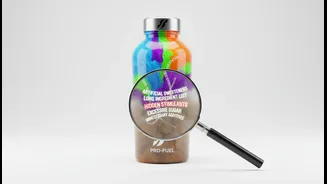
When you buy protein powder, you expect the primary ingredient to be protein. However, a lengthy list of ingredients can be a red flag. Many products are packed with fillers, thickeners, and artificial additives designed to improve taste and texture or
simply to bulk up the product cheaply. Ingredients like maltodextrin, a processed carbohydrate, can add unnecessary calories and spike blood sugar. Artificial sweeteners such as sucralose and aspartame are also common, and while they cut down on sugar, some people experience side effects like headaches or digestive issues. Other additives like soy lecithin, artificial dyes, and hydrogenated oils may also be included, turning a supposedly simple health supplement into a highly processed product. The more ingredients you can't pronounce, the further the product strays from a clean, effective protein source.
Decoding 'Proprietary Blends'
One of the most confusing terms on a supplement label is “proprietary blend.” This is a group of ingredients listed under a single trademarked name, like “Muscle Matrix” or “Performance Complex.” While manufacturers argue this protects their secret formulas from competitors, it creates a major transparency problem for consumers. The label only has to list the total weight of the blend, not the amount of each individual ingredient. This means a company can fill the blend with cheaper, less effective ingredients and include only tiny, ineffective amounts of the expensive, desirable ones. You might be paying a premium for a product that is mostly filler, with only a dusting of the active ingredients advertised on the front of the tub.
Hidden Contaminants and Stimulants
Beyond what's listed on the label, there’s the risk of what isn't. Independent studies have revealed alarming levels of contaminants in some protein powders. Heavy metals like lead, arsenic, cadmium, and mercury can find their way into products, especially plant-based ones, through contaminated soil and water. One 2025 report found that many popular protein powders contained concerning levels of lead. Some products also contain bisphenol-A (BPA), a chemical used in plastics. Another issue is “protein spiking,” a deceptive practice where manufacturers add cheap amino acids like glycine or taurine to inflate the total nitrogen content, which is used to measure protein. This makes the protein count on the label appear higher than the actual amount of complete protein you’re getting.
How to Choose a Safer Protein Powder
Navigating the crowded supplement aisle doesn't have to be a gamble. The most important step is to become a savvy label reader. First, look for a short, simple ingredient list. The first ingredient should always be a protein source, like whey, casein, pea, or egg white protein. Aim for powders with 20 to 30 grams of protein per serving and less than 5 grams of sugar. Second, and most critically, look for a third-party certification seal. Organizations like NSF Certified for Sport or Informed Sport test products for banned substances, verify that the ingredients on the label match what’s in the container, and check for unsafe levels of contaminants. These seals provide an independent layer of assurance that the product is safe and accurately labeled. While no supplement is entirely without risk, choosing a third-party tested product significantly reduces your chances of consuming something harmful.