


What is Mindful Travel in the Ghats?
Mindful travel is about more than just seeing the sights; it's about connecting with a place on a deeper level. In the Western Ghats, this means slowing down to appreciate the immense biodiversity that makes this region one of the most species-rich on Earth.
It's about choosing sustainable stays, respecting local communities, and leaving a minimal footprint on fragile ecosystems. This approach swaps a rushed checklist for immersive experiences, like learning to identify bird calls, understanding the role of a specific plant in the ecosystem, or simply sitting in silence as the forest comes alive around you. It transforms a simple holiday into a meaningful exchange, benefiting both the traveller and the destination. This way of travelling helps preserve the very beauty that draws us to these mountains.
The Annamalai Hills Route: Valparai to Athirapally
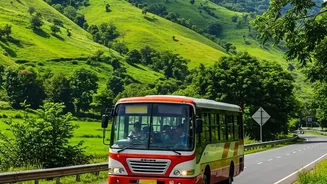
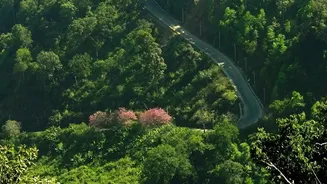
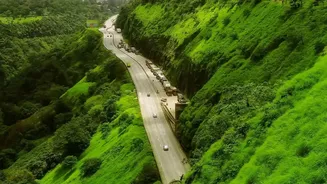
One of the most spectacular drives in the southern Western Ghats takes you from the tea plantations of Valparai in Tamil Nadu to the thundering Athirapally Falls in Kerala. This journey is an education in forest gradients. As you navigate the hairpin bends ascending to Valparai, you'll see the majestic and endangered Nilgiri Tahr. The area is a biodiversity hotspot, home to moist deciduous forests where you might spot the elusive Nilgiri Marten or the endangered lion-tailed macaque. The forests here are rich with life, from large mammals like Asian elephants to hundreds of bird species. The drive itself is the destination, offering a constantly changing canvas of dense greenery and opportunities to appreciate the montane rainforest ecosystem.
The Shola Forests of Munnar and Kodaikanal
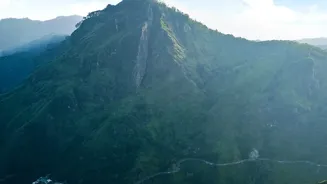
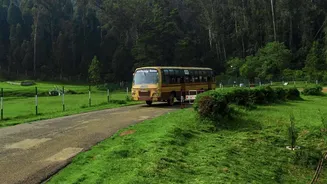
For a truly unique ecosystem experience, explore the high-altitude Shola forests. These are not continuous jungles but patches of stunted evergreen forest found in sheltered valleys, surrounded by rolling grasslands. This 'sky island' mosaic is a feature of the southern Western Ghats, particularly around Munnar and Kodaikanal. A road trip here allows you to see how these forests act as vital water catchments. You can trek through designated paths in places like Pampadum Shola National Park, the smallest national park in Kerala, which is home to many medicinal plants and rare animals like the Nilgiri Marten. A mindful trip here involves understanding the fragility of this high-altitude ecosystem, where endemic species have evolved in isolation.
Agumbe: The Heart of the Rainforest
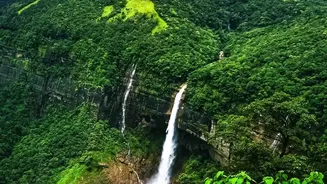
Often called the 'Cherrapunji of the South' for its intense rainfall, Agumbe in Karnataka offers a raw, immersive rainforest experience. This isn't a typical safari park; it's a biodiversity hotspot known for its smaller, stranger inhabitants. A road trip to Agumbe is for the dedicated nature lover, keen to explore a world of amphibians, reptiles, and insects that thrive in the wet conditions. It is famously the home of the King Cobra. Exploring with local guides or researchers from the Agumbe Rainforest Research Station can reveal the secrets of the forest floor, from gliding frogs to vibrant pit vipers. Mindful travel here means embracing the monsoon, wearing leech socks, and appreciating the micro-habitats that make this lowland rainforest so critically important.
Silent Valley: An Untouched Core
For those seeking the ultimate offbeat experience, a visit to the periphery of Silent Valley National Park in Kerala is a must. The core area is a pristine, almost untouched stretch of tropical evergreen rainforest, representing what the Ghats were like before human intervention. While access to the core is heavily restricted, the journey to the buffer zones offers a glimpse into this ecological treasure trove. The park is named for the perceived absence of noisy cicadas, adding to its mystique. It is a sanctuary for biodiversity, home to the lion-tailed macaque and hundreds of species of birds, butterflies, and moths. A trip here is a lesson in conservation history, celebrating the successful movement that saved the valley from being flooded by a dam.