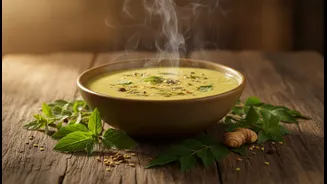




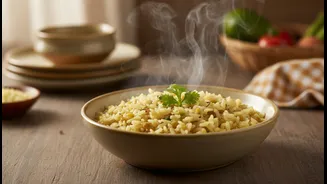



What is Karkidaka Kanji?
Karkidaka Kanji, also known as Oushadha Kanji (medicinal porridge), is a cornerstone of Karkidaka Chikitsa, a seasonal wellness regimen practised during the Malayalam month of Karkidakam (mid-July to mid-August). According to Ayurveda, the heavy monsoon
period weakens the digestive fire (Agni) and makes the body susceptible to illness. This special porridge is designed to counteract that. It's a carefully formulated gruel made with ingredients like Njavara rice, coconut milk, and a potent blend of herbs and spices intended to boost immunity, support digestion, and gently detoxify the body. Traditionally consumed daily for at least a week, it serves as a nourishing, easily digestible meal, often replacing dinner.
The Heart of the Porridge: Core Ingredients
The magic of Karkidaka Kanji lies in its synergistic ingredients. The base is typically Njavara rice, a unique Keralan grain prized in Ayurveda for its nourishing and healing properties. To this, a host of warming spices are added, such as fenugreek (uluva), cumin (jeeraka), and dry ginger (chukku), all of which help rekindle a sluggish digestive system. The most vital component is the 'oushadakoottu' or herbal mixture. This can include a complex blend of up to 24 different herbs, famously featuring combinations like Dashamoola (a group of ten roots) and Dashapushpam (a group of ten sacred flowers). These herbs are selected for their anti-inflammatory, immune-supporting, and detoxifying actions. The porridge is often finished with fresh coconut milk, which adds richness and balances the flavours.
Why Adapt a Time-Honoured Tradition?
While the traditional preparation is potent, its complexity can be a barrier in modern life. Sourcing dozens of specific Ayurvedic herbs can be difficult outside of Kerala, and the preparation can feel time-consuming for busy households. Moreover, the original flavour profile, which can be bitter and earthy, might be an acquired taste. The goal of adaptation is not to discard tradition but to make its core benefits accessible. By understanding the principles behind the porridge—easy digestion, warming spices, and nutrient-dense ingredients—home cooks can create variations that fit their lifestyle, pantry, and palate, while still honouring the spirit of this wellness ritual.
Modern Kanji: Simple Swaps and Ideas
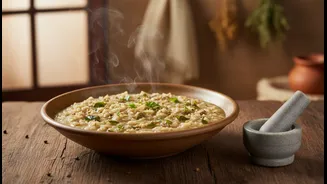
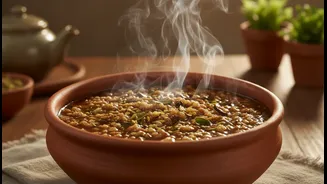
Adapting Karkidaka Kanji can be simple and creative. Instead of Njavara, you can use other easily digestible grains like broken red rice, millet, or even quinoa for a contemporary twist. If a full herbal kit isn't available, focus on a simplified blend of key warming spices like ginger, cumin, black pepper, and fenugreek. These are readily available and provide significant digestive benefits. Instead of a purely medicinal taste, consider making it a savoury meal by adding cooked lentils (dal) for protein and topping with toasted seeds, nuts, or a dollop of ghee. For a sweeter version, a touch of palm jaggery can make it more palatable, especially for children. Some modern food bloggers even deconstruct the dish, using the traditional herbs to make a side dish (thoran) to accompany a simple rice porridge.
Beyond the Breakfast Bowl
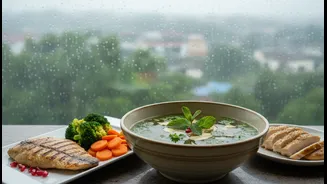
Think of this restorative porridge as a versatile base for any meal of the day. A savoury, vegetable-laden version can be a deeply comforting and light dinner, perfect for a rainy evening. Cook it thicker to create a dish similar to upma or risotto, garnished with fresh herbs like coriander. You can also incorporate the base principles into soups, using a base of rice or millet and infusing the broth with ginger, garlic, and cumin before adding seasonal vegetables. The core idea is to consume food that is warm, nourishing, and gentle on the digestive system, a principle that is beneficial far beyond the confines of the monsoon season.