






The Rise of Conscious Decor
For years, the go-to choice for many homes was the synthetic rug. Made from materials like polypropylene or nylon, these rugs promised vibrant colours, stain resistance, and affordability. They were practical, easy to find, and fit into a world of fast-paced,
low-maintenance living. But as our collective awareness grows, so does our desire for authenticity and sustainability. The modern Indian home is increasingly a space that reflects personal values. We are moving away from the mass-produced and towards decor that tells a story, feels good, and does good. This is where natural fibres, particularly jute, are making a powerful comeback.
The Irresistible Charm of Jute
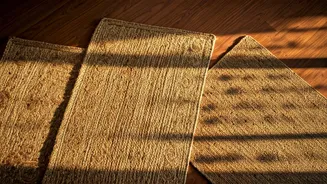
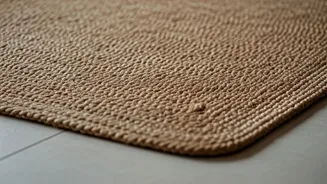
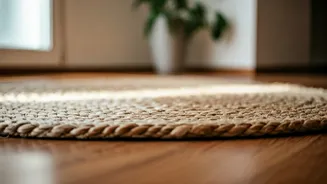
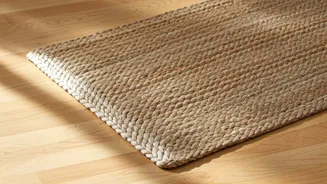
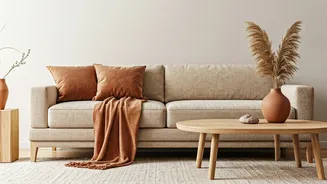
Known as the 'Golden Fibre', jute is an incredibly versatile material derived from the stem of the jute plant, grown abundantly in the Bengal delta. Its appeal is multi-faceted. Aesthetically, jute brings an unparalleled warmth and texture to a room. Its natural, earthy tones—ranging from soft beige to golden brown—create a calming, grounded atmosphere that synthetic materials often struggle to replicate. It's the perfect anchor for both minimalist, Scandinavian-inspired interiors and vibrant, bohemian spaces. Beyond its looks, jute is a champion of sustainability. It’s a fast-growing, rain-fed crop that requires minimal pesticides or fertilizers. It’s also completely biodegradable and recyclable, meaning a jute rug will return to the earth at the end of its life, unlike its plastic-based cousin.
The Fading Allure of Synthetics
So, why the shift away from synthetic rugs? While their durability and ease of cleaning are undeniable advantages, their downsides are becoming harder to ignore. Most synthetic rugs are petroleum products. Their manufacturing process is energy-intensive and contributes to the consumption of fossil fuels. They are not biodegradable, and when disposed of, they can spend hundreds of years in a landfill, breaking down into harmful microplastics. Furthermore, some synthetic rugs can release volatile organic compounds (VOCs) into the air, a process known as off-gassing, which can affect indoor air quality. As homeowners become more health-conscious and environmentally aware, the convenience of a synthetic rug starts to look less appealing.
A Head-to-Head Comparison
When choosing between jute and synthetic, it helps to compare them on key factors.
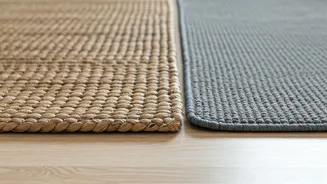
Feel & Texture: Jute offers a rustic, slightly coarse texture that adds character, though some may find it less plush than a soft synthetic pile. Synthetics can mimic almost any texture, but often lack the organic feel of a natural fibre.
Durability & Placement: Synthetic rugs are champions in high-traffic areas, kids' rooms, and even outdoor patios due to their resilience and water resistance. Jute is also highly durable but is best suited for low-to-medium traffic areas like living rooms and bedrooms. It is highly absorbent, so it’s not ideal for bathrooms or damp spaces.
Maintenance: Synthetics are generally easier to clean; most stains can be wiped away. Jute requires more careful handling. It should be vacuumed regularly without a beater brush, and spills should be blotted immediately to prevent staining and water damage.
Cost: Initially, high-quality jute rugs could be more expensive than basic synthetic options. However, as demand grows, a wide range of affordable jute mats are now available, making them accessible to a broader audience.
Making the Right Choice for Your Home
The decision isn't about declaring one material universally superior to the other. Instead, it’s about making an informed choice that aligns with your lifestyle, aesthetic, and values. If you need a rugged, waterproof rug for a messy entryway or a child’s playroom, a synthetic option might still be the most practical choice. But for the living room, bedroom, or study—spaces where you want to build a sense of calm, warmth, and connection to nature—the case for jute is incredibly compelling. It’s an investment in a style that is both timeless and timely.