





The Illusion of the 'Normal' Monsoon
The term 'normal' rainfall, as used by the India Meteorological Department (IMD), is a statistical tool. It refers to the country’s total monsoon rainfall falling within a specific range—typically between 96% and 104%—of the Long Period Average (LPA).
This single number is crucial for national planning, giving a broad overview for policymakers and economists. It offers a convenient, bird's-eye view of the monsoon's performance across the vast expanse of the country. However, this national average is calculated by combining rainfall data from thousands of stations, effectively smoothing out the dramatic local and regional variations that define the modern Indian monsoon. While a 'normal' declaration might sound reassuring, it often masks a far more chaotic and dangerous reality on the ground, where one state can be experiencing devastating floods while another withers in a prolonged dry spell.
A Country of Contrasts
The most significant flaw of the national average is its failure to capture geographic disparity. Recent monsoon seasons have been marked by stark contrasts. For example, even in a year with a nationwide deficit, some regions experience catastrophic flooding. In September 2026, while South Peninsular India faced a 27% rainfall deficit, Odisha recorded a 20% surplus. This pattern is becoming more common. Studies show that traditionally rain-rich areas like the Indo-Gangetic plains and the Northeast are seeing a decrease in rainfall, while drier regions in Rajasthan, Gujarat, and parts of Tamil Nadu are getting wetter. This means that even if the numbers balance out to a 'normal' national figure, the lived experience is anything but. Farmers in Marathwada might be praying for rain while those in Himachal Pradesh are fleeing landslides triggered by intense downpours.
Too Much, Too Little, Too Late
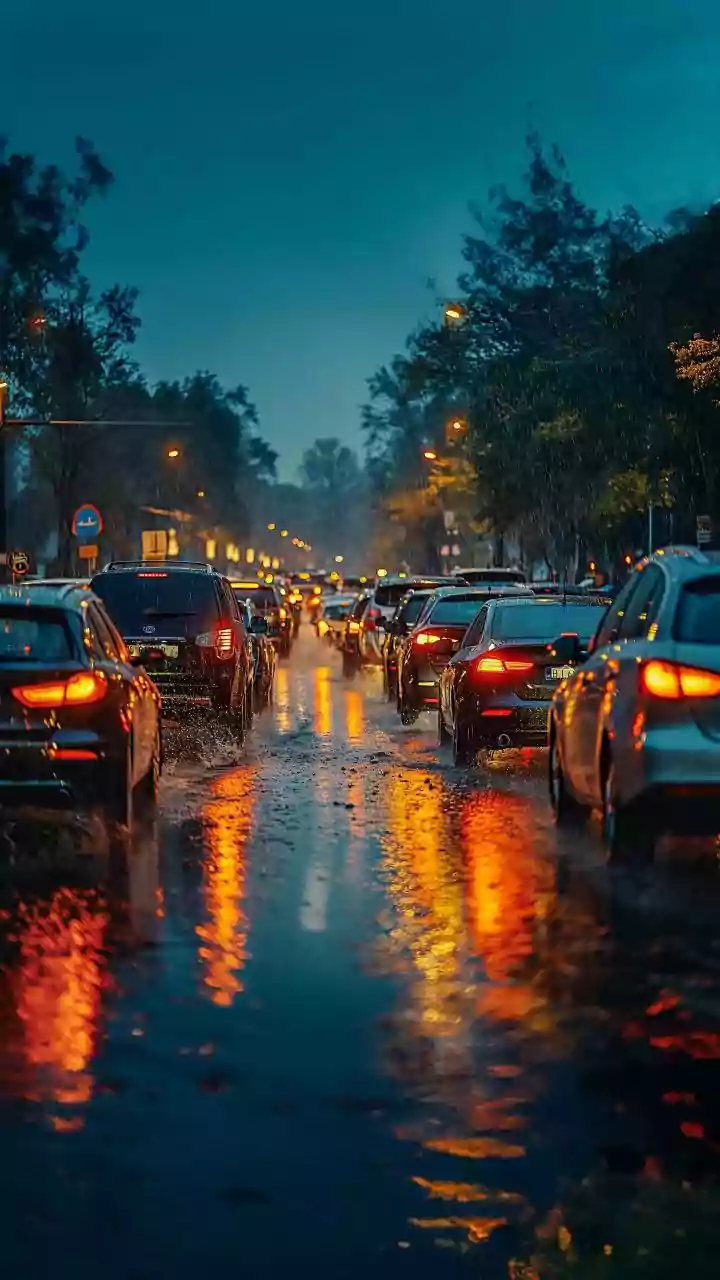
Beyond geography, the timing and intensity of rainfall are becoming increasingly erratic—a detail completely missed by seasonal averages. Climate change is altering the character of the monsoon, replacing gentle, consistent showers with long dry spells punctuated by sudden, violent bursts of rain. Scientists have noted a significant increase in the frequency of localised heavy rainfall events since the 1950s. A month's worth of rain might fall in just a few days, leading to flash floods and overwhelming urban drainage systems. While these deluges can push the monthly total up to 'normal', they are preceded and followed by extended 'break days' with no rain at all. These dry spells are disastrous for agriculture, as crops need water at specific stages of growth. Too much rain at once erodes topsoil and damages plants, while long gaps can cause crops to fail entirely.
The Human and Economic Cost of Extremes
The consequences of these rainfall extremes are profound. For India’s more than 600 million farmers, an erratic monsoon means uncertainty and debt. The collapse of timing in rainfall patterns disrupts age-old crop calendars, affecting everything from sowing to harvesting. In cities, short-duration extreme events like cloudbursts—once confined to the Himalayas but now seen in the plains—cause urban flooding that paralyses life and damages infrastructure. The economic ripple effects are significant, impacting food security, water reservoir levels, and rural demand. A 'normal' monsoon average provides little comfort to a family that has lost its home to a flash flood or a farmer whose fields have cracked under a relentless sun. These extremes highlight the growing gap between statistical representations of climate and its real-world human impact.