


The Golden Rule of Food Safety
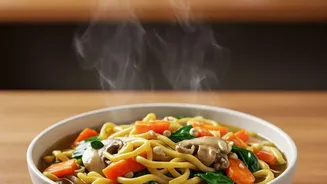
The most important guideline to remember is the 'two-hour rule'. According to food safety experts, perishable foods, including cooked meat, poultry, eggs, and casseroles, should not be left at room temperature for more than two hours. This is the maximum
time that freshly cooked food or leftovers should sit out before being refrigerated. Bacteria that can cause foodborne illness grow rapidly at room temperature, and after two hours, they can reach dangerous levels. Adhering to this simple rule is one of the most effective ways to protect yourself and your family from getting sick.
Understanding the 'Danger Zone'
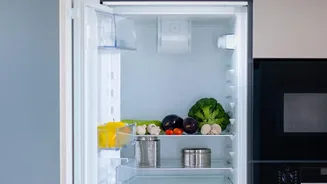
The reason for the two-hour rule lies in what's known as the 'Danger Zone'. This is the temperature range between 5°C and 60°C (40°F and 140°F), where bacteria like Salmonella and E. coli can multiply at an alarming rate. In some cases, these bacteria can double in number in as little as 20 minutes. When cooked food cools down and sits in this temperature range, it becomes a perfect breeding ground. Your refrigerator should be set below 5°C to slow this bacterial growth, and hot food should be kept above 60°C if it's being served over a period of time, like at a buffet.
What About Hotter Days?
The two-hour rule has an important exception that is particularly relevant for the Indian climate. When the ambient temperature is above 32°C (90°F), the window for leaving food out safely shrinks to just one hour. The increased heat accelerates bacterial growth even further, making it critical to refrigerate leftovers more quickly during hot summer months or if you're eating outdoors at a picnic. The Food Safety and Standards Authority of India (FSSAI) emphasizes keeping refrigerator temperatures below 5°C during summer to counteract the faster spoilage.
Which Foods Are Highest Risk?
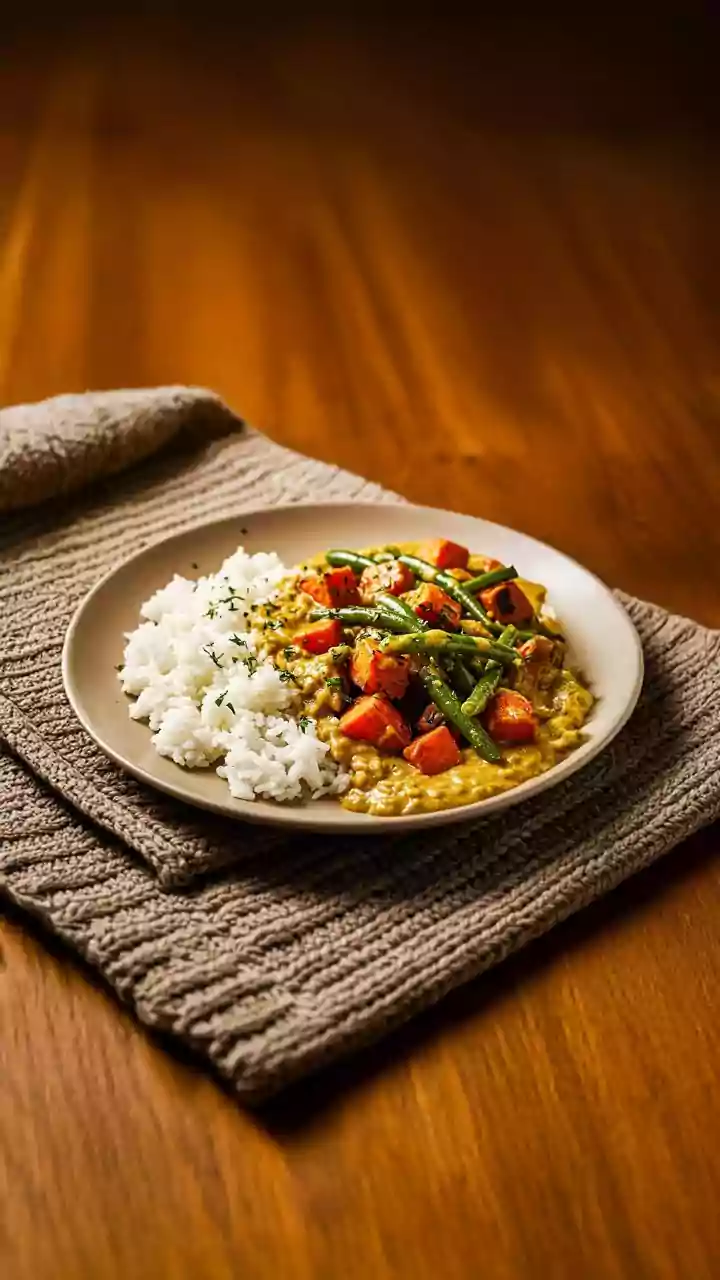
While the rule applies to most cooked foods, some are more susceptible to spoilage than others. High-risk foods include meat, poultry, seafood, dairy products, cooked rice, pasta, and dishes containing eggs. Cooked rice is a common culprit for food poisoning in many households because it can contain spores of a bacterium called Bacillus cereus, which can survive cooking and multiply if the rice is left at room temperature. Similarly, paneer dishes, milk-based sweets, and cut fruits spoil very quickly in warm weather. It's best to be extra cautious with these items.
Can You Just Reheat It Safely?
A common myth is that thoroughly reheating food that has been left out too long will make it safe to eat. While reheating to a high temperature (at least 74°C or 165°F) will kill active bacteria, it will not destroy the heat-resistant toxins that some bacteria produce as they multiply. These toxins can cause vomiting and diarrhoea even after the bacteria that created them are gone. Therefore, reheating is not a solution for food that has been sitting in the 'Danger Zone' for too long. The safest approach is always prevention.
The Right Way to Store Leftovers
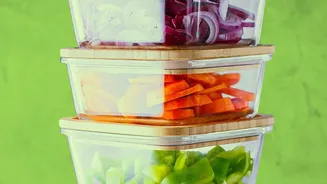
To ensure your leftovers are safe, cool them quickly before refrigerating. Putting a large, steaming pot of food directly into the fridge can raise the internal temperature, putting other foods at risk. Instead, divide large quantities into smaller, shallow containers to help them cool down faster. Once the steam has stopped rising, cover the containers and place them in the fridge. FSSAI also recommends storing cooked food on shelves above raw meat and poultry to prevent juices from raw items from dripping down and causing cross-contamination. Properly stored leftovers are generally safe to eat within 2-3 days.