






The Secret Ingredient: Dietary Nitrate
The performance-enhancing properties of beetroot aren't magic; they come from its unusually high concentration of a compound called inorganic nitrate (NO3−). While the term 'nitrate' might bring to mind preservatives in processed meats, the naturally
occurring nitrates in vegetables like beetroot, spinach, and rocket are a different story entirely. When you consume these vegetables, you’re loading up on the raw material for a powerful physiological process. Our bodies are incredibly resourceful. The average diet provides a small amount of nitrate, but supplementing with a concentrated source like beetroot juice can significantly increase the levels of nitrate and its derivatives in our blood and muscle tissue.
The Conversion to Nitric Oxide
Once you consume beetroot juice, a fascinating chain reaction begins. The first step happens in your mouth, where friendly bacteria on your tongue convert the nitrate (NO3−) into nitrite (NO2−). This is a crucial step that highlights the importance of oral health in this process. After you swallow, the nitrite travels to the stomach, where the acidic environment helps further convert it into nitric oxide (NO), which then enters your bloodstream. Nitric oxide is a vital signalling molecule that our bodies produce naturally, but augmenting its production through diet can have profound effects on athletic performance, especially when the body is under the stress of exercise.
More Power, Less Oxygen
So, what does this surge of nitric oxide actually do? Its primary role is as a vasodilator, meaning it relaxes and widens your blood vessels. This widening allows for increased blood flow throughout the body. For an athlete, this is a game-changer. Enhanced blood flow means more efficient delivery of oxygen and nutrients to hard-working muscles. This leads to the key benefit described in the headline: producing more power per liter of oxygen. In scientific terms, this is called a reduction in the oxygen cost of exercise. Your muscles become more efficient, able to perform the same amount of work while consuming less oxygen. Studies have shown this can reduce the oxygen cost of submaximal exercise by up to 5%, which can translate into a 1-2% improvement in time trial performance and a significant increase in time to exhaustion.
What 'Micro-Dosing' Really Means
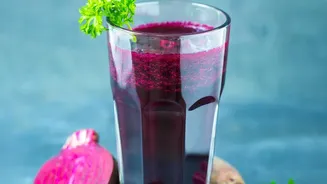
The term 'micro-dosing' in this context shouldn't be confused with its use elsewhere. Here, it refers to a strategic and consistent supplementation protocol rather than taking one massive dose. Research shows that both acute (a single dose) and chronic (daily doses over several days) supplementation can be effective. For a major event, many athletes adopt a 'loading' protocol, consuming a serving of beetroot juice daily for three to seven days beforehand. This builds up the body's store of nitrate. An optimal dose is generally considered to be between 300-600 mg of nitrate, which can be found in one or two concentrated 70ml beetroot shots or about 500ml of regular beetroot juice. It is crucial to consume it 2-3 hours before exercise to allow time for the conversion to nitric oxide to peak in your bloodstream.
Practical Benefits for Indian Athletes
The implications for athletes across various disciplines are significant. For a cricketer, improved endurance could mean less fatigue during a long innings or a lengthy spell of bowling. For marathon runners and cyclists, the improved efficiency can lead to faster times and a stronger finish. Even in sports involving repeated high-intensity efforts, like badminton or football, the ability to recover more quickly between sprints is invaluable. Research indicates that nitrate supplementation can enhance muscle power and performance in intermittent, high-intensity exercise, widening its application beyond just endurance sports. While highly trained elite athletes may see a smaller benefit, recreational and developing athletes often experience more pronounced effects.