








Understanding the Midday Energy Crash
That dreaded afternoon slump isn't just in your head. It’s often a physiological response to what and when you eat. A lunch high in refined carbohydrates and sugars can cause a rapid spike in your blood sugar levels. Your body responds by releasing a surge
of insulin to process that sugar, which then leads to a swift and sudden drop. This 'crash' is what leaves you feeling drained, irritable, and sleepy. While many factors contribute to energy levels, from sleep quality to stress, managing these blood sugar fluctuations is a key strategy for maintaining a steady sense of vitality throughout the day.
Fenugreek: The Kitchen Staple with Benefits
Fenugreek, or methi, is a cornerstone of Indian cuisine and traditional medicine. These small, golden-brown seeds are prized not just for their distinctively bittersweet flavour but also for their impressive nutritional profile. For centuries, Ayurveda has recognised fenugreek for its digestive and restorative properties. The secret lies in its high concentration of soluble fibre, particularly a compound called galactomannan. This type of fibre is unique because it forms a gel-like substance when it comes into contact with water, a quality that is central to its potential health benefits.
How Soaked Fenugreek Water May Help
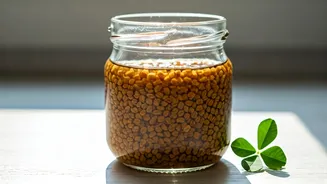
When you soak fenugreek seeds, they release their soluble fibre into the water. Consuming this water, especially before a meal or first thing in the morning, can help support more stable energy levels. The gel-forming fibre slows down the digestion and absorption of carbohydrates and sugars from your food. Instead of a rapid sugar spike and subsequent crash, you experience a more gradual release of glucose into your bloodstream. This translates to more sustained energy, helping you bypass that classic post-lunch slump. It’s not an instant energy boost like caffeine, but rather a regulatory habit that works over time to smooth out your energy curve.
Building Your Fenugreek Water Habit
Incorporating this into your routine is incredibly simple. The process requires just a little bit of foresight. 1. **Measure:** Take one teaspoon of fenugreek (methi) seeds. 2. **Soak:** Place the seeds in a glass of room-temperature water (about 250 ml). 3. **Wait:** Let them soak overnight, for at least 6-8 hours. You’ll notice the water takes on a yellowish hue and the seeds swell up. 4. **Drink:** In the morning, on an empty stomach, strain the water and drink it. Some people also choose to chew the softened seeds, which provides the added benefit of their fibre content, though the taste is quite strong. Consistency is the most important factor. Make it a daily ritual, just like your morning chai or coffee, to see the best results.
Taste, Tips, and Other Considerations
Let’s be honest: fenugreek water has a distinctly bitter taste that can be an acquired preference. If you find it too potent, you can start with a smaller quantity of seeds and gradually increase it. Adding a few drops of lemon juice can help cut through the bitterness without significantly altering its properties. While the primary focus here is on energy regulation, this habit is also associated with other benefits, such as aiding digestion, soothing the stomach lining, and supporting metabolic health. Remember, this is a supportive practice, not a magic cure. Its effects are best realised as part of a balanced lifestyle that includes nutritious meals, regular movement, and adequate sleep.
A Gentle Word of Caution
While fenugreek is safe for most people when consumed in moderation, it’s important to be mindful of its potent effects. Because it can lower blood sugar levels, individuals with diabetes or those on medication to manage blood sugar should consult their doctor before starting this habit. It’s essential to ensure it doesn’t interfere with their treatment plan. Furthermore, fenugreek is generally not recommended for pregnant women as it may have uterine-stimulating effects. As with any wellness practice, listening to your body is paramount.