







The ₹500 Lure: Unpacking the Visa Deal
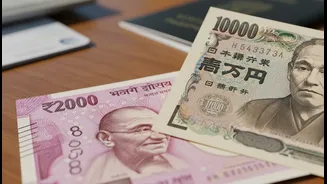
First, the good news. In July 2026, Japan revised its visa fees upward for most countries around the world. However, Indian passport holders were given a special exemption, with the fee for both single and multiple-entry visas remaining at a highly attractive
₹500. This maintains a long-standing arrangement and keeps Japan as one of the most affordable countries to get a visa for from India. It is a significant gesture that has sparked immense interest among travellers. Before you get too excited, remember to factor in the mandatory VFS service charge, which is typically around ₹800 per application. So, while the visa itself is a steal, the total upfront cost for processing is slightly higher. Still, this is a tiny fraction of your overall trip budget.
Reality Check: Your Single Biggest Expense
The first major cost that dwarfs the visa fee is airfare. Flights are almost always the most expensive part of a trip to Japan from India. For a round-trip ticket from major hubs like Delhi, Mumbai, or Bengaluru to Tokyo, you should realistically budget between ₹45,000 and ₹80,000 per person in economy class. Prices can fluctuate wildly based on the season, how far in advance you book, and the airline. Peak seasons like the cherry blossom months of March and April or the autumn foliage period in October and November see the highest demand and prices. To secure the best fares, it is crucial to book at least two to three months in advance. A last-minute flight deal is rare for this route, so planning ahead is non-negotiable.
A Place to Sleep: The Accommodation Spectrum
After flights, accommodation will be the next significant dent in your wallet. While Japan offers a wide range of options, it’s not a budget-friendly market compared to other parts of Asia. A common surprise for first-time Indian travellers is the compact size of hotel rooms. For a mid-range experience, expect to pay between ₹6,000 and ₹12,000 per night for a clean, well-located business hotel. On the budget end, you can find excellent hostels and unique capsule hotels for ₹2,000 to ₹5,000 per night. These are great for solo travellers or those looking to save money, offering clean and safe environments. For a 7-night trip, even a budget stay can add up to ₹14,000 - ₹35,000, illustrating how quickly costs accumulate beyond the visa.
Fuelling Your Adventure: Eating Well on a Budget
Here’s where Japan pleasantly surprises many. While fine dining can be incredibly expensive, daily food costs can be very reasonable if you eat like a local. Forget the myth that every meal costs a fortune. A delicious and filling bowl of ramen can be found for under ₹700, and conveyor-belt sushi offers a fun and affordable way to sample fresh fish. The real budget hero, however, is the Japanese convenience store, or ‘konbini’. Stores like 7-Eleven, FamilyMart, and Lawson offer high-quality, delicious, and cheap meals, from onigiri (rice balls) and sandwiches to bento boxes, for just a few hundred rupees. A budget-conscious traveller can eat well for ₹1,500 a day, while a more comfortable mid-range food budget would be around ₹2,500 to ₹4,000 per day.
Getting Around: The Transport Reality
Japan’s public transport is legendary for its punctuality and efficiency, but it comes at a price. Inter-city travel on the Shinkansen, or bullet train, is particularly expensive. For instance, a one-way ticket from Tokyo to Kyoto can easily cost between ₹7,000 and ₹10,000. If you plan on visiting multiple cities, a Japan Rail (JR) Pass might offer good value. A 7-day pass, which provides unlimited travel on most JR lines, costs around ₹30,000. You need to do the maths based on your itinerary to see if it’s worth it. For travel within cities like Tokyo and Osaka, subways are the best option. Buying a day pass or a rechargeable IC card like a Suica or Pasmo is the most cost-effective way to explore.
The Final Tally: What a Real Trip Costs
So, what’s the final damage? For a comfortable, mid-range 7 to 8-day trip to Japan, an Indian traveller should budget between ₹1,50,000 and ₹2,50,000 per person. This would cover return flights, mid-range accommodation, daily food, local transport, and entry fees for some attractions. Budget travellers who are willing to stay in hostels, eat from convenience stores, and plan meticulously could potentially do it for closer to ₹1,20,000. These figures clearly show that the ₹500 visa fee, while a fantastic incentive, is a very small part of the total financial commitment. It’s an entry ticket, not a discount on the entire experience.