


The Great Weather Shift
October and November mark a significant weather change across India. The heavy monsoon rains largely withdraw, leaving behind clearer skies and more pleasant temperatures. In the north, including Rajasthan and the Golden Triangle (Delhi, Agra, Jaipur),
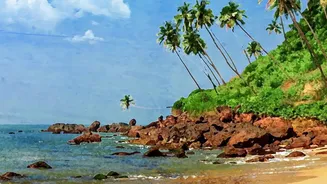
expect warm, sunny days perfect for sightseeing, with daytime temperatures often around 30°C. Evenings can start to get cool, especially in the desert regions of Rajasthan. In the Himalayas, the weather becomes crisp and clear, ideal for trekking before heavy winter snow arrives. However, be aware of the northeast monsoon, which can bring rain and storms to the southeastern coast, affecting areas like Tamil Nadu from mid-October. The southwest coast, including Kerala and Goa, generally enjoys sunnier, drier weather as the peak season begins.
Landscapes in Full Bloom
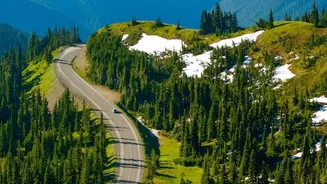
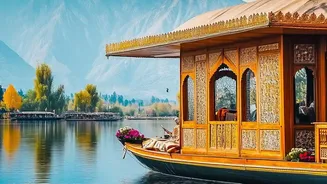
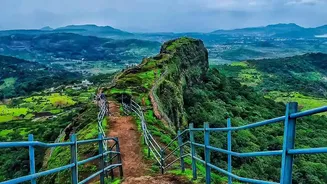
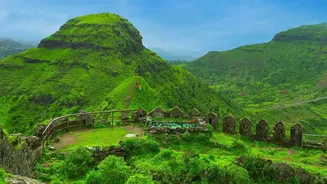
The most striking feature of post-monsoon India is its vibrant, green landscape. The preceding months of rain nourish the earth, resulting in lush scenery, replenished lakes, and roaring waterfalls. Hill stations in the Western Ghats, like Coorg and Munnar, are particularly beautiful during this period, with verdant coffee and tea plantations. National parks, many of which close during the monsoon, begin to reopen in October. This is a fantastic time for wildlife enthusiasts, although crowds can build quickly in popular parks like Ranthambore and Kaziranga. The washed-clean air also means spectacular mountain views in places like Himachal Pradesh and Uttarakhand, making it a prime window for photography and nature walks.
A Season of Celebration
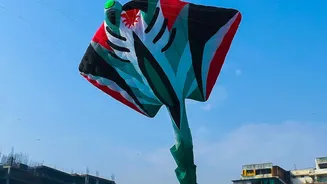
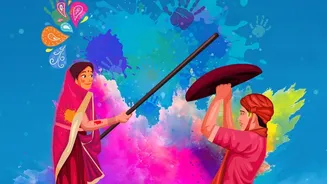
This transitional period is arguably India's biggest festive season. The calendar is packed with major celebrations, offering travellers a spectacular cultural immersion. The season often kicks off with Navratri and Dussehra, celebrated with unique regional customs across the country, from the grand Kullu Dussehra in Himachal Pradesh to the elaborate Durga Puja in West Bengal. This is followed by Diwali, the 'Festival of Lights', which is one of India's most significant and visually stunning festivals, celebrated nationwide with lamps, fireworks, and sweets. Depending on the year, other important festivals like Guru Nanak Jayanti and various regional fairs like the Pushkar Camel Fair in Rajasthan also fall within these months.
Navigating Crowds and Costs
While October is often considered a 'shoulder season' with fewer crowds than the peak months of November to January, this is changing. The pleasant weather and festival calendar make it an increasingly popular time for both domestic and international tourists. Popular destinations like Rajasthan, Goa, and Kerala will see a steady increase in visitors. It's wise to book flights and accommodation in advance, especially if your travel dates coincide with major festivals like Diwali, when prices can surge and availability can be limited. While you might find some good deals at the beginning of October, by November, you are firmly in the peak tourist season.
Packing for a Transitional Climate
Packing for India during this season requires versatility. The key is to think in layers. Lightweight cottons, loose-fitting pants, and short-sleeved shirts are ideal for warm daytime exploring in most regions. However, you will need warmer layers, like a fleece or a light jacket, for cooler evenings, particularly in the north and in mountainous areas. If you are visiting the Himalayas, more substantial warm clothing is necessary. Given the festive atmosphere and visits to religious sites, it's also wise to pack or purchase conservative clothing, such as long skirts or pants and a scarf to cover your shoulders when needed. A pair of comfortable walking shoes is essential for sightseeing.