






What Exactly Are Kokum Oats?
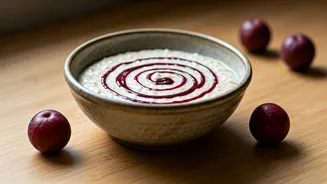
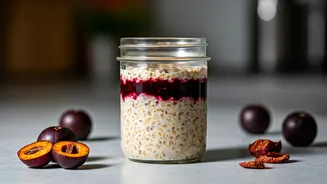
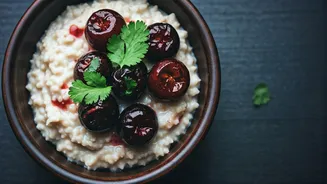
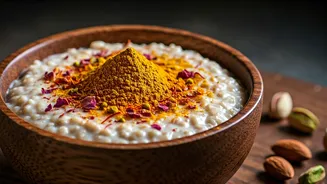
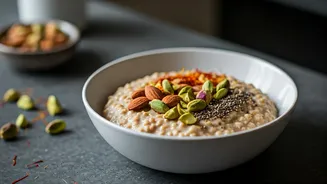
Imagine your wholesome, comforting bowl of oatmeal, but instead of being loaded with sugar, honey, or fruit, it’s infused with the sharp, tangy, and deeply refreshing flavour of kokum. Kokum oats are a savoury porridge that transforms the breakfast staple
into something excitingly different. The star ingredient, kokum (Garcinia indica), is a fruit native to India’s western coast, prized for its sour taste and vibrant red hue. When soaked and added to oats, often along with a classic tadka of mustard seeds, curry leaves, and a pinch of turmeric, it creates a breakfast that is both nourishing and uniquely 'chatpata'. It’s a departure from the Western-style sweet oatmeal, aligning instead with the Indian palate’s love for savoury, spiced morning meals.
A Flavour Profile for the Indian Palate
For many, the appeal of kokum oats lies in its flavour. While smoothies and traditional oatmeal cater to a sweet tooth, they can sometimes feel monotonous or even overly sugary. Kokum oats offer a complex taste experience—it's sour, slightly salty, and can be spiced to your liking with green chillies or black pepper. This savoury profile is much closer to traditional Indian breakfast dishes like poha, upma, or idli. It satisfies a craving for something zesty and flavourful to start the day, rather than a blast of sweetness. This makes it an intuitive and welcome addition to the modern Indian kitchen, where global health trends meet local taste preferences.
The Nutritional Edge Over Smoothies
The headline’s claim isn’t just about taste; it's also about health. While smoothies can be packed with vitamins, they are often high in fruit sugars (fructose), which can lead to a quick energy spike followed by a crash. Kokum oats, on the other hand, provide a more balanced nutritional profile. Oats are a fantastic source of complex carbohydrates and soluble fibre, primarily beta-glucan, which promotes satiety and provides slow, sustained energy release. Kokum itself is a nutritional powerhouse. Traditionally used in Ayurveda, it’s known for its cooling properties, making it perfect for India’s climate. It’s rich in antioxidants, particularly garcinol, which has anti-inflammatory benefits, and is also believed to aid digestion. This combination makes for a breakfast that is filling, low on the glycemic index, and genuinely good for your gut.
How to Make Tangy Kokum Oats
Making this dish is surprisingly simple. Here's a basic guide to get you started: 1. **Prep the Kokum:** Soak 4-5 dried kokum petals in half a cup of warm water for about 15-20 minutes. This will soften them and create a tangy infusion. 2. **Make the Tadka:** Heat a teaspoon of ghee or oil in a pan. Add half a teaspoon of mustard seeds and let them splutter. Add a sprig of curry leaves, a pinch of asafoetida (hing), and a slit green chilli (optional). Sauté for a few seconds. 3. **Cook the Oats:** Add half a cup of rolled oats to the pan and roast them for a minute until fragrant. Pour in the kokum water (straining out the petals if you prefer a smoother texture) and another cup of water or thin buttermilk. Add salt to taste and a pinch of turmeric. 4. **Simmer and Serve:** Cook on medium heat for 5-7 minutes, stirring occasionally, until the oats are soft and have absorbed the liquid. Garnish with fresh coriander and serve hot. You can easily customise this by adding chopped vegetables like onions and carrots to the tadka for extra nutrition and crunch.