

The Dangers of Surface Living
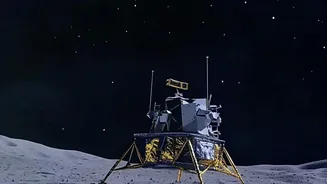
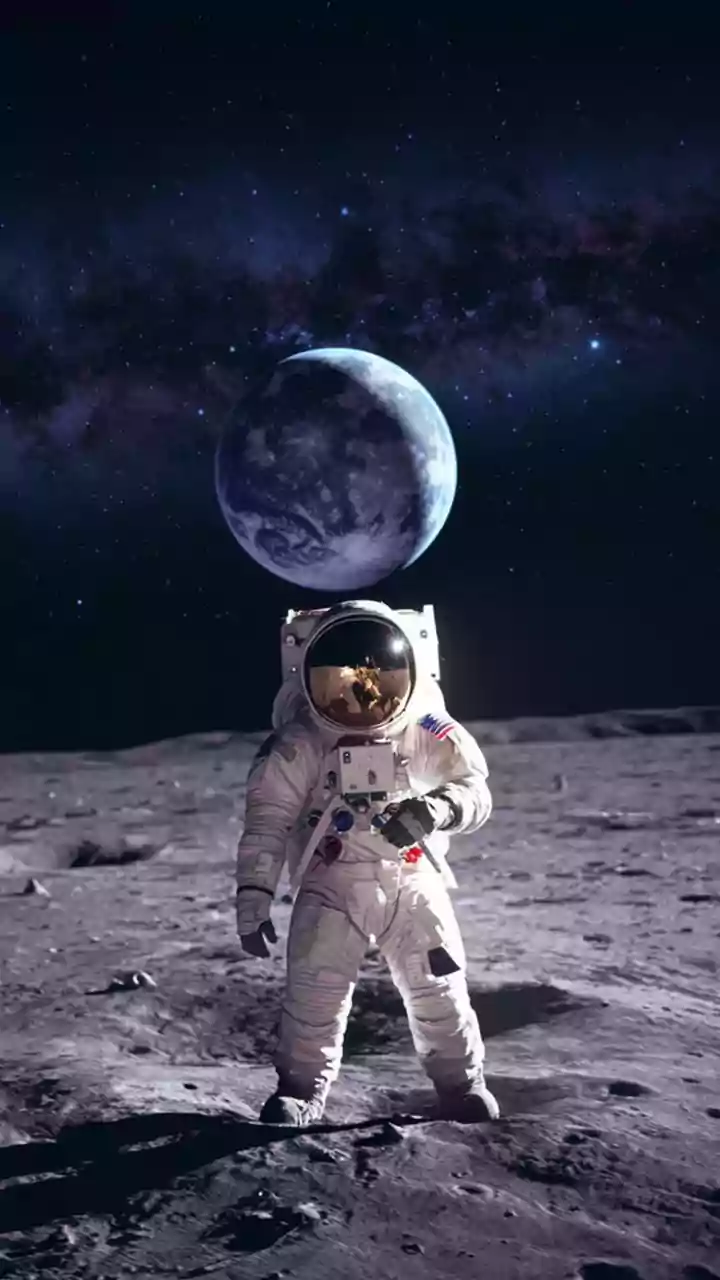
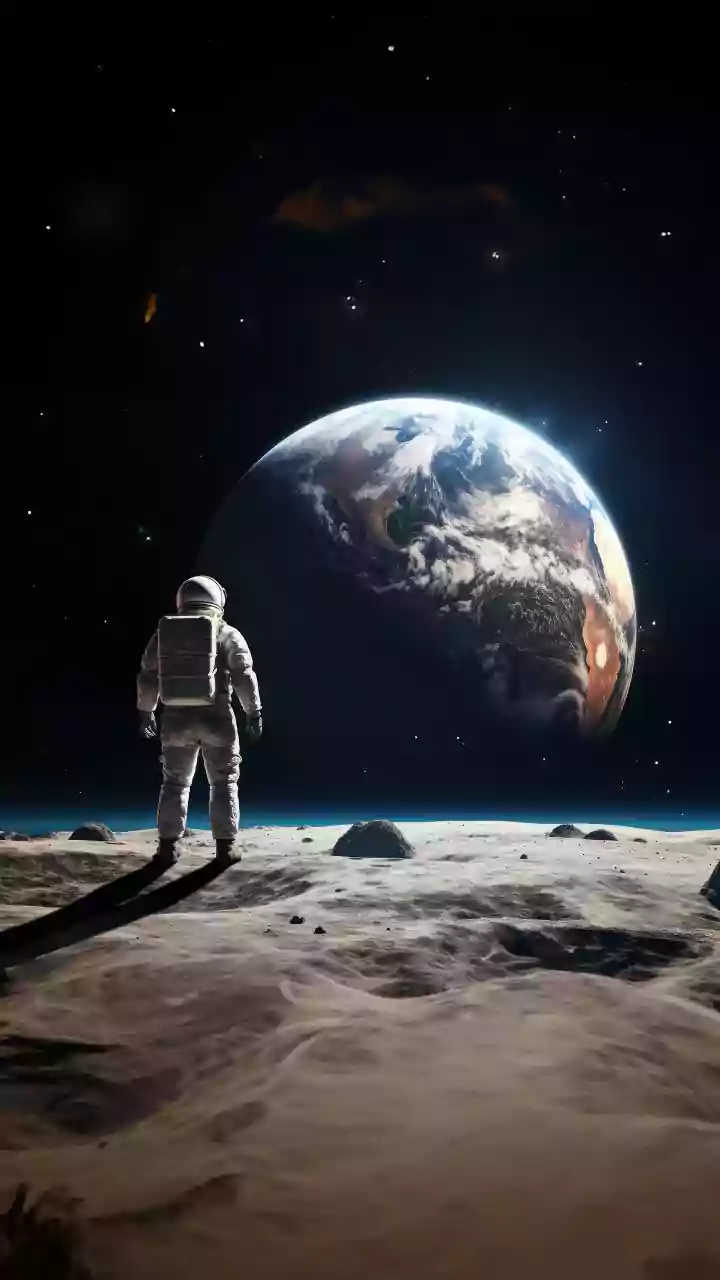
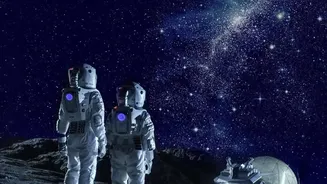
The Moon may look serene from Earth, but its surface is an incredibly hostile environment. Unlike our planet, it has virtually no atmosphere to act as a shield. This leaves anything on the surface exposed to a constant barrage of cosmic radiation and
solar particles that can be harmful to human health over long periods. Then there are the micrometeorites, tiny particles of rock and metal hurtling through space at extreme speeds, which pose a constant impact risk. The temperature swings are also dramatic, soaring to a scorching 120 degrees Celsius in the lunar day and plunging to a frigid minus 130 degrees Celsius at night. Finally, the lunar dust, or regolith, is a major concern. It's not like sand on Earth; it's sharp, abrasive, and electrostatically charged, posing a risk to both equipment and astronauts' respiratory systems if inhaled. Building surface habitats to withstand all these challenges would be a monumental and costly engineering feat.
Nature's Underground Solution: Lava Tubes
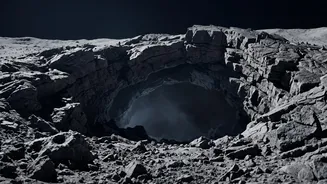
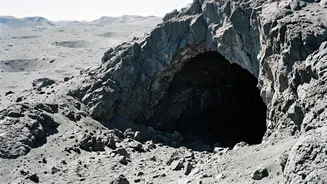
Instead of building everything from scratch, scientists are looking to use what the Moon might have already created. Billions of years ago, when the Moon was volcanically active, massive rivers of lava flowed across its surface. In some cases, the top layer of this lava may have cooled and hardened while the molten rock underneath continued to flow away, leaving behind vast, hollow tunnels known as lava tubes. On Earth, these structures can be quite large, but under the Moon's lower gravity, scientists theorize they could be enormous—potentially wide enough to house entire cities. These natural caverns offer ready-made protection. The thick rock ceilings would provide excellent shielding from radiation and micrometeorite impacts. Deep inside a lava tube, the temperature is believed to be stable, possibly hovering around a comfortable 17 degrees Celsius, eliminating the problem of extreme day-night temperature swings. It's an elegant solution: use the Moon's own geology as a shelter.
The Investigations NASA Is Backing
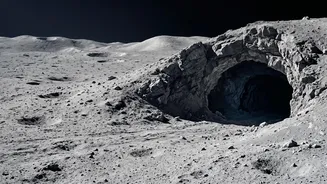
The idea of lunar caves is not new, but NASA is now taking concrete steps to find them. Through its Payloads and Research Investigations on the Surface of the Moon (PRISM) program, the agency has selected new investigations to hunt for these subterranean structures. One key project is called GIMLI (Geophysical Instruments for Marius Lunar pit Investigation). This investigation will target a specific feature known as the Marius Hills Pit, a deep hole on the surface that scientists believe could be a 'skylight'—a collapsed section of a lava tube roof that provides an entrance to a larger cave system. GIMLI won't go into the pit initially. Instead, a rover on the surface will use ground-penetrating radar and seismic sensors to scan what lies beneath. By measuring how these waves travel through the ground, scientists can create a 3D map of the subsurface and determine if a large, empty void—a lava tube—is really there. This data will be crucial for planning future robotic or human missions to explore inside.
Challenges on the Subterranean Frontier
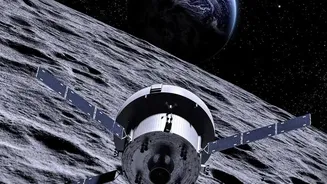
Finding a lava tube is only the first step. Actually exploring and using them presents a whole new set of challenges. For starters, access can be difficult. Many of the pits identified as potential entrances are deep, vertical shafts, which would require specialized robotic equipment, like rovers that can rappel down a tether, just to get inside. Once inside, there's the problem of darkness and communication. With no sunlight, robots and future habitats would need a reliable power source, and relaying data back to the surface and to Earth from deep underground is a complex technical hurdle. European and Chinese researchers are also working on robotic concepts to tackle these issues, developing teams of collaborating robots that can map caves autonomously. Before astronauts ever set foot in one of these caves, we will need to send robotic scouts to ensure they are structurally sound, map their layouts, and assess any potential hazards inside.