
Taming the Towering Ghats
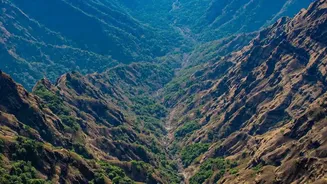
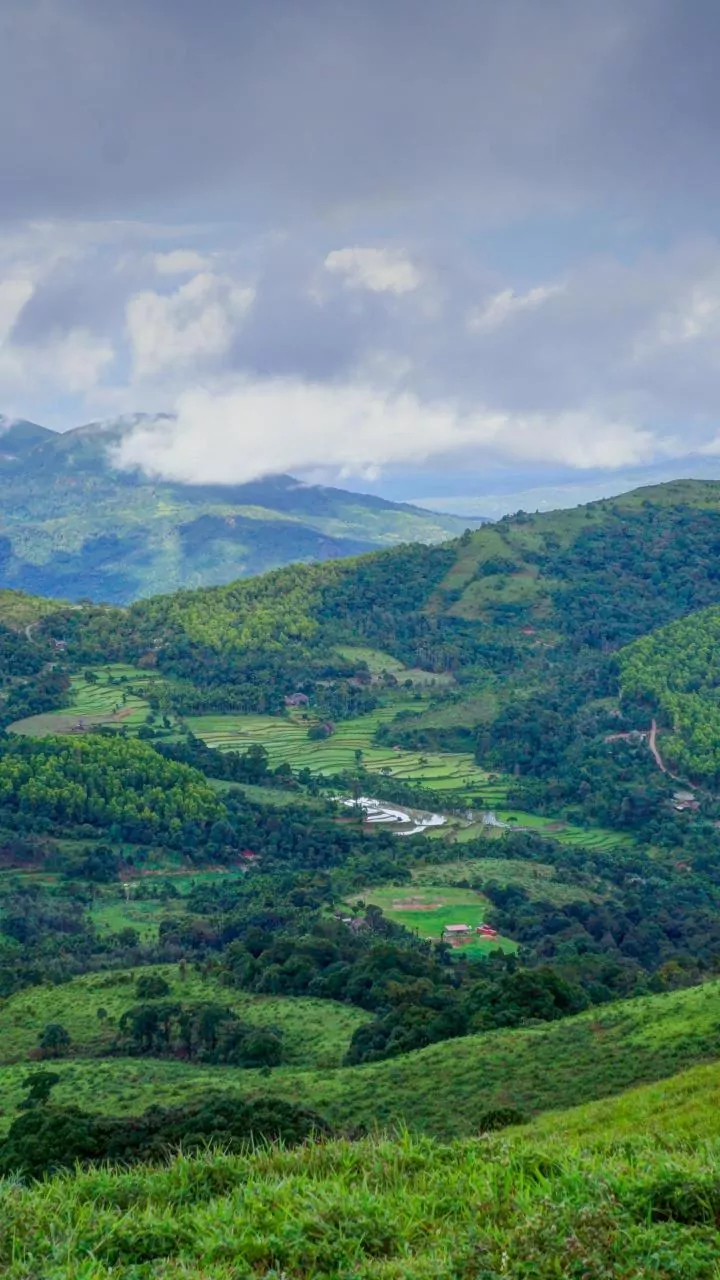
The Western Ghats, a UNESCO World Heritage site, is a formidable mountain range running parallel to India's west coast. For centuries, its steep slopes, deep valleys, and dense forests made travel between the coastal plains and the Deccan plateau a monumental
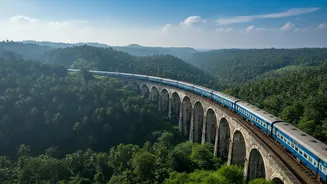
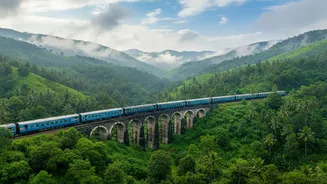
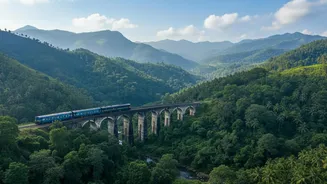
challenge. When railway engineers first envisioned tracks cutting through this terrain in the 19th and 20th centuries, they were met with seemingly insurmountable obstacles. The solution lay in a combination of audacious tunnelling and the construction of magnificent viaducts—tall bridges designed to span vast, uneven landscapes.
The Konkan Railway: A Modern Marvel
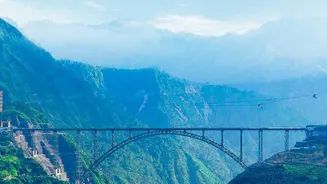
Perhaps the most famous route is the Konkan Railway, a 756-kilometre line connecting Maharashtra, Goa, and Karnataka. Completed in the late 1990s, it features over 2,000 bridges and 91 tunnels. The true showstoppers are its high-altitude viaducts. Chief among them is the Panval Nadi Viaduct near Ratnagiri. Standing 64 metres tall and stretching 424 metres, it was one of Asia's tallest railway bridges when built. For passengers, the experience is surreal. The train emerges from a dark tunnel and suddenly appears suspended in mid-air, offering a panoramic sweep of the river valley below before plunging into another tunnel. This bridge was a pioneer, being the first in India to use the incremental launching method, where the bridge deck is pushed across the valley from one end.
Braganza Ghats and the 'Sea of Milk'
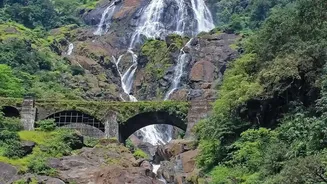
Another legendary journey is through the Braganza Ghats on the line between Castle Rock in Karnataka and Kulem in Goa. This 26-kilometre stretch is renowned for its dramatic scenery, especially during the monsoon season. The highlight of this route is the breathtaking view of the Dudhsagar Waterfalls, aptly named the 'Sea of Milk'. The railway line passes directly in front of the four-tiered waterfall on a picturesque bridge. As the train slows, passengers are treated to an unforgettable sight of the cascade plunging down the mountainside, its spray often misting the carriages. It’s a moment where the raw power of nature meets the resilience of human engineering.
An Engineer's Triumph, A Traveller's Delight
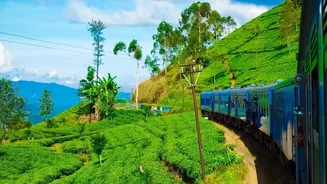
These bridges are more than just concrete and steel; they are a testament to human ingenuity. On routes like the historic Bhore Ghat line between Mumbai and Pune, engineers in the 1860s used basic tools to build viaducts and reversing stations to conquer steep gradients. Today, these lines continue to operate, with trains needing additional locomotives at the rear to push them up the inclines. For the traveller, the result of this complex engineering is simple: a window seat becomes a portal to another world. The high vantage point offered by the bridges transforms the landscape. Instead of being enclosed by the forest, you are soaring above it, witnessing the true scale of the valleys, the winding rivers, and the cascading waterfalls that define the Western Ghats.