






Why Our Plates Need More Variety
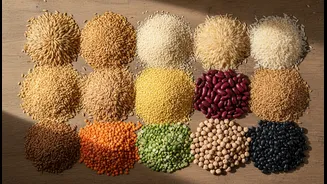
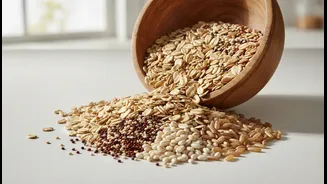
Relying on just one or two staple grains, like polished rice and refined wheat, can lead to a monotonous diet. While comforting, this can create nutritional gaps and limit the diversity of nutrients our bodies receive. Research increasingly shows that
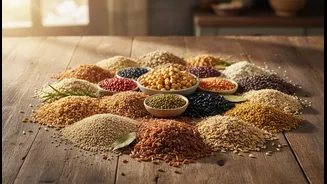
dietary diversity is crucial for a healthy gut microbiome, which influences everything from digestion to immunity. Eating a wider variety of foods, including different grains, feeds a broader range of beneficial gut bacteria, which can lead to reduced inflammation and a lower risk of chronic diseases. By simply rotating our grains, we give our bodies a richer palette of vitamins, minerals, and fibre to work with.
The Enduring Comfort of Rice
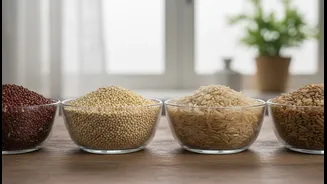
Rice is a staple for a reason. It's a fantastic source of energy, easy to digest, and incredibly versatile. However, the nutritional value varies significantly between types. White rice is highly processed, stripping it of much of its natural fibre and micronutrients, which can cause rapid spikes in blood sugar. Brown or red rice, on the other hand, are whole grains that retain their bran and germ. This means they offer more fibre, vitamins, and minerals. Enjoying rice as part of a varied diet, especially in its whole-grain form, allows you to benefit from its energy-giving properties without relying on it exclusively.
The Staple Strength of Wheat
Whole wheat is the foundation of countless Indian meals, from chapatis to parathas. It is a good source of protein, fibre, and essential nutrients. The fibre in whole wheat aids digestion and helps provide a feeling of fullness. However, like rice, its processed form—refined flour or maida—loses most of these benefits. Furthermore, wheat contains gluten, which can be problematic for individuals with sensitivities or celiac disease. For many, whole wheat remains a healthy choice, but it shouldn't be the only grain on the menu. Alternating it with other grains ensures a more balanced intake of different types of fibre and nutrients.
The Mighty Return of Millets
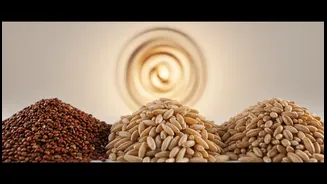
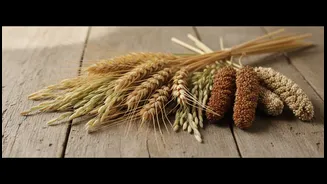
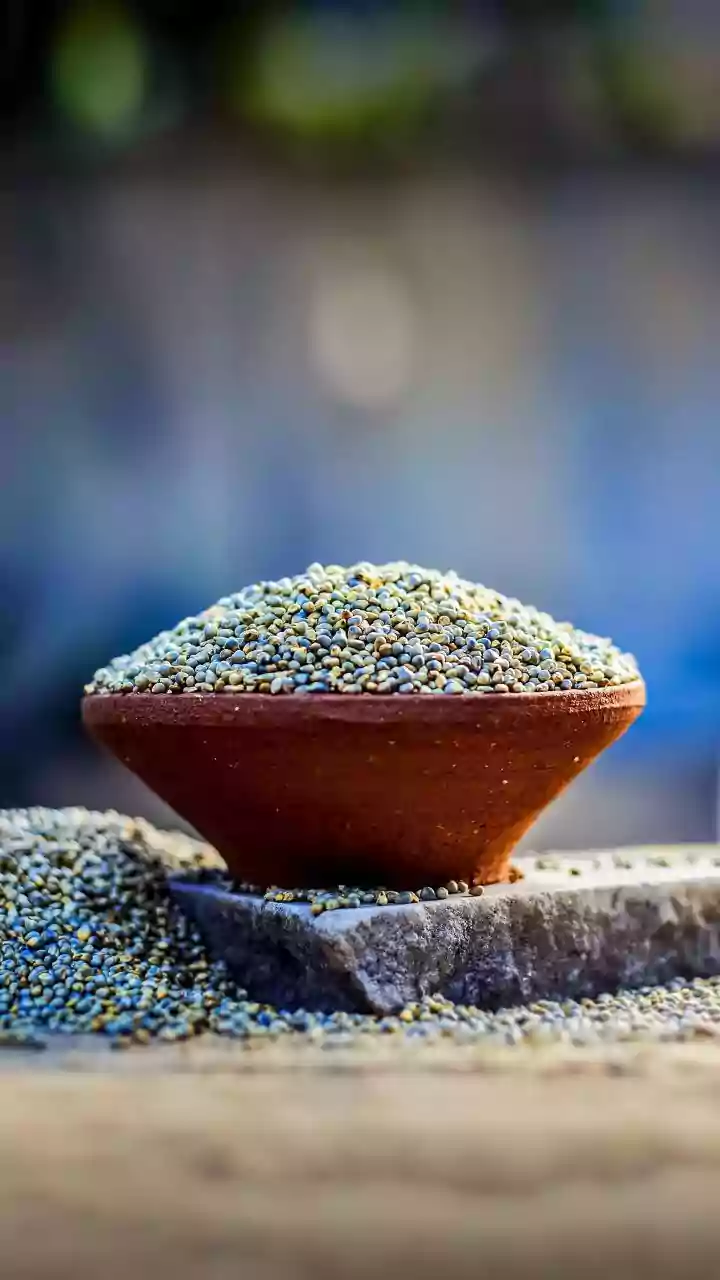
Once a cornerstone of Indian agriculture, millets like jowar (sorghum), bajra (pearl millet), and ragi (finger millet) are making a well-deserved comeback. These ancient grains are nutritional powerhouses. Compared to refined rice and wheat, millets are generally higher in dietary fibre and have a lower glycemic index, which helps in better blood sugar management. They are packed with minerals; for example, ragi is an excellent source of calcium, while bajra is rich in iron. Being naturally gluten-free, millets are a great option for everyone and offer a way to significantly boost the nutrient density of any meal.
Simple Swaps for a Balanced Diet
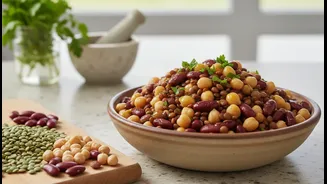
Incorporating this rotation doesn't require a complete overhaul of your kitchen or cooking habits. The key is to start small and make gradual changes. Begin by swapping rice for a millet like foxtail or barnyard millet once or twice a week; they cook similarly and work well in dishes like pulao or khichdi. Another easy trick is to mix millet flour, such as jowar or ragi, into your regular chapati atta, starting with a small ratio and gradually increasing it. For breakfast, consider making porridge or upma with millet instead of semolina. These simple substitutions make it easy to enjoy the benefits of all three grain types without feeling like you're on a restrictive diet.