





From Humble Staple to Hipster Magnet
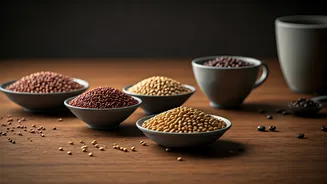
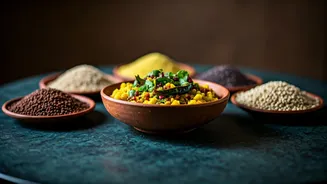
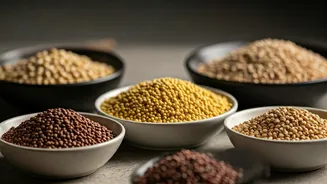
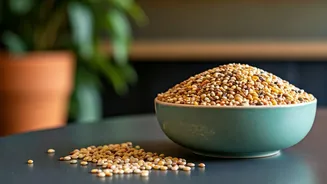
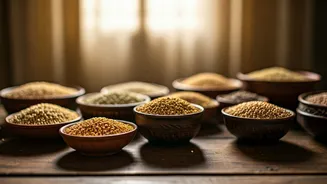
For generations, millets like ragi, jowar, and bajra were everyday staples in Indian homes, known for their affordability and nutrition. [9, 12] However, with the rise of refined wheat and rice, they gradually faded from modern kitchens. [7, 9] Today,
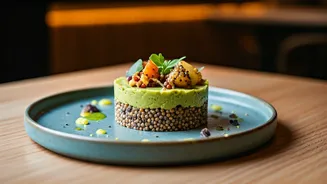
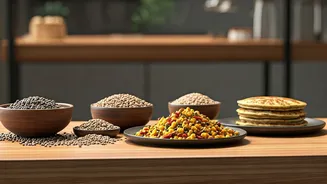
that story is being rewritten. Walk into a trendy café in Bengaluru, Mumbai, or Delhi, and you're just as likely to find ragi pancakes and jowar wraps as you are a quinoa bowl. [18] This isn't just about a nostalgic throwback; it's a full-blown culinary revival, where ancient wisdom is being served with a contemporary, Instagram-friendly twist. [20]
The Culinary Glow-Up
The secret to millet's newfound fame lies in its incredible versatility. [13] Chefs and café owners are moving far beyond traditional porridge and flatbreads. [18] Imagine starting your day with fluffy ragi idlis, enjoying a millet-base pizza for lunch, or snacking on jowar pita pockets. [21, 25] Creative menus now feature everything from foxtail millet pulao and millet tacos to decadent ragi brownies and even millet-based craft beers. [25, 27] These dishes prove that healthy eating doesn't have to be boring. By incorporating millets into familiar formats like risottos, dosas, and salads, urban eateries are making them accessible and appealing to a new generation of foodies. [18, 22]
A Perfect Storm of Health and Sustainability
So, why is this happening now? It's a confluence of factors. A growing public consciousness around health is a major driver. Millets are nutritional powerhouses—naturally gluten-free, high in fibre and protein, and packed with essential minerals like iron and magnesium. [4, 5, 6] They have a low glycemic index, which helps in managing blood sugar levels, making them ideal for modern lifestyles plagued by metabolic concerns. [6, 11] The Indian government's push, highlighted by the "International Year of Millets" in 2023, created massive awareness about their benefits. [14, 15] Furthermore, millets are a climate-smart crop. They are drought-resistant and require less water and fewer inputs than rice or wheat, making them a sustainable choice for an eco-conscious generation. [5, 13, 15]
On the Menu Across Urban India
This trend is not confined to one city. In Bengaluru, dedicated spots like Vaathsalya Millet Cafe and Dhanyam Café are championing millet-based meals, from traditional North Karnataka fare to innovative tiffins. [29, 31] In Mumbai, acclaimed restaurants like The Bombay Canteen and Noon have experimented with millet haleem and sprouted finger millet tortillas. [25] Delhi is not far behind, with places like Café Lota and Greenr Café reinventing ancient grains for modern palates with dishes like bajra chilla and barnyard millet bowls. [20] These establishments, from high-end restaurants to cozy coffee shops, are acting as cultural ambassadors, reintroducing millets to the urban Indian diet one delicious plate at a time. [18]