






Jamun (Java Plum)
This deep purple fruit is a classic monsoon superstar for a reason. Jamun is rich in iron, vitamin C, and antioxidants that help prepare your body to fight common colds and infections. Its antibacterial properties can also support digestive health, which
tends to be sluggish during the humid months. It's also noted for its potential role in managing blood sugar levels.
Litchi (Lychee)
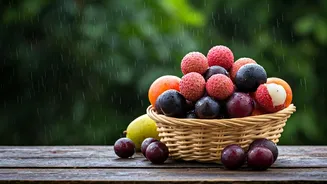
Arriving towards the end of summer and the start of the monsoon, litchis are a juicy, hydrating treat. They are packed with vitamin C, a powerful immune booster that helps your body ward off seasonal illnesses like colds and flu. Litchis also provide a good dose of dietary fibre, which can help combat the indigestion and acidity that sometimes flare up during this season.
Pomegranate (Anar)
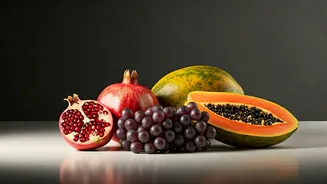
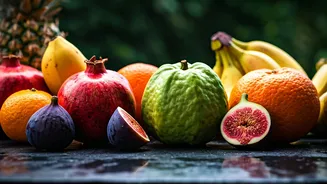
Pomegranate seeds are like tiny red jewels packed with health benefits. They are loaded with potent antioxidants that support heart health and help the body fight off infections. During the damp, cloudy days of the monsoon, pomegranates can also help improve haemoglobin levels and keep your energy up. The fruit's anti-inflammatory properties are particularly beneficial for gut health.
Plums (Aloo Bukhara)
Sweet, tangy, and wonderfully juicy, plums are a monsoon favourite. They are an excellent source of dietary fibre, which is crucial for maintaining a healthy digestive system. Plums are also loaded with vitamin C and other antioxidants that strengthen your immune system and help your body fight inflammation.
Cherries
Available in abundance during the rainy season, cherries are more than just a pretty cake-topper. These low-calorie fruits are packed with antioxidants that help reduce inflammation and protect the body from infections. Some studies suggest they can also help in lowering high blood pressure and improving sleep quality, making them a well-rounded addition to your monsoon diet.
Peaches (Aadu)
With their fuzzy skin and sweet, fragrant flesh, peaches are a delightful monsoon fruit. They are a good source of vitamins A and C, which are essential for a strong immune system and healthy skin. The dietary fibre in peaches aids digestion, while their antioxidant content helps protect your body's cells from damage.
Pears (Nashpati)
Crisp, sweet, and hydrating, pears are an excellent fruit to enjoy during the rainy season. They are particularly high in dietary fibre, which helps promote good gut health and prevents constipation. Pears also contain a healthy dose of vitamin C and potassium, supporting your immune function and overall well-being during a season when you need it most.
Apples
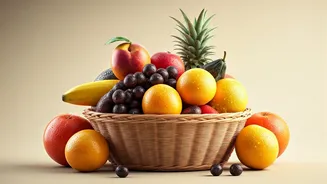
An apple a day is good advice, especially during the monsoon. Apples are a great source of soluble fibre, which helps strengthen your immune system and can reduce inflammation. They contain antioxidants like quercetin, which has been shown to improve the body's defences against infection, making them a simple and effective choice for staying healthy.
Papaya (Papita)
Papaya is a digestive powerhouse, available for much of the year but especially useful during monsoon. It contains an enzyme called papain, which helps break down proteins and aids digestion, preventing bloating and discomfort. It is also rich in vitamins A and C, providing a significant boost to your natural immunity.
Bananas
Easy to find and eat, the humble banana is a fantastic monsoon fruit. It's gentle on the stomach and a great source of potassium and dietary fibre, which help regulate digestion. Bananas also help restore electrolyte balance, which can be affected by the high humidity, keeping your energy levels stable and your gut happy.