


Understanding the Monsoon's Grand Exit
The monsoon withdrawal isn’t like flipping a switch. It’s a gradual, phased process that signals the transition from a wet, humid summer to a cooler, drier autumn. The India Meteorological Department (IMD) doesn't declare the withdrawal until specific
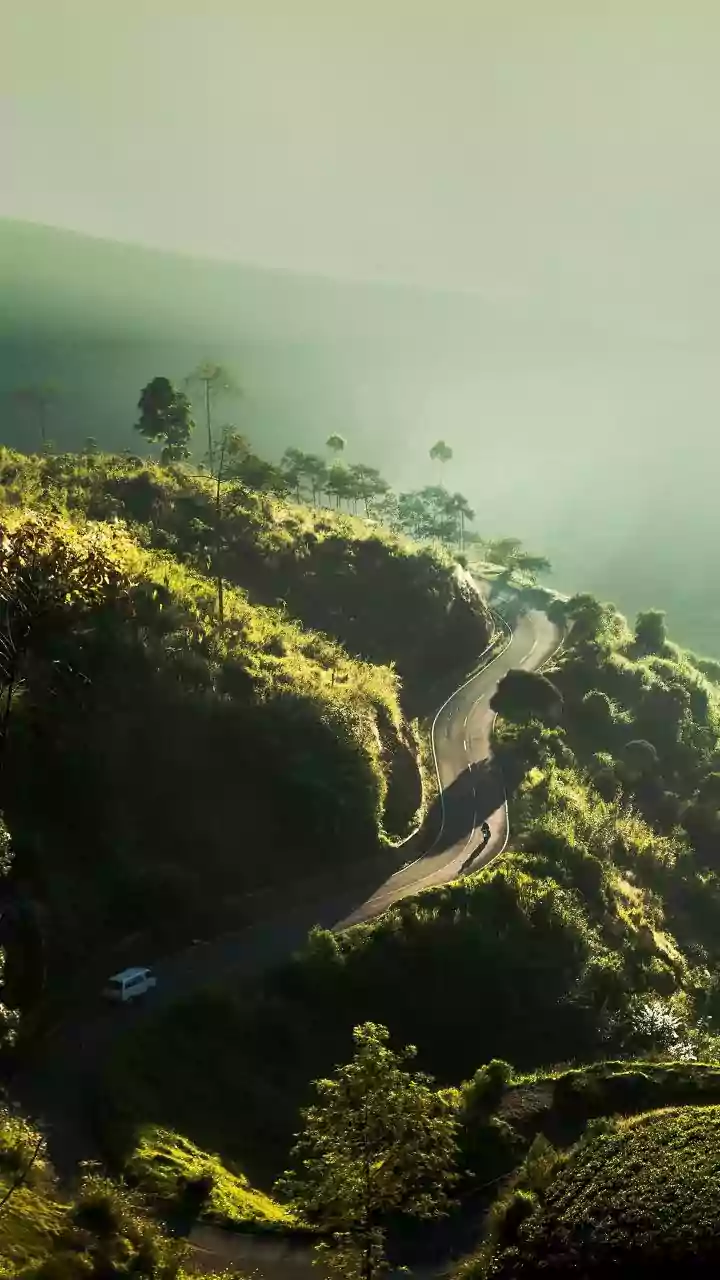
conditions are met, including at least five consecutive days of no rain, a significant drop in moisture, and the formation of an anticyclone over the region. This retreat typically begins in the extreme northwestern parts of India around mid-September and slowly makes its way down the country, concluding in the southernmost tip by December. As it pulls back, it leaves behind cleaner air, brilliant blue skies, and landscapes that are bursting with post-rain greenery.
The Forecast for September 2026
This year, the monsoon's departure is shaping up to be a complex affair. While satellite images have shown a dramatic reduction in cloud cover across India, the IMD has not yet officially declared the withdrawal. Forecasts suggest the process is likely to begin from northwest India after September 15, with conditions becoming more favourable for a full retreat around September 21. A strong El Niño influence is a key factor, contributing to predictions of below-normal rainfall for September across most of the country. This also means temperatures are likely to be above normal for the month. However, the withdrawal is rarely uniform. While Peninsular India is expected to remain relatively dry, some northern states like Himachal Pradesh and Uttarakhand could still experience spells of heavy rain in the first half of the month.
A Golden Window for Travellers
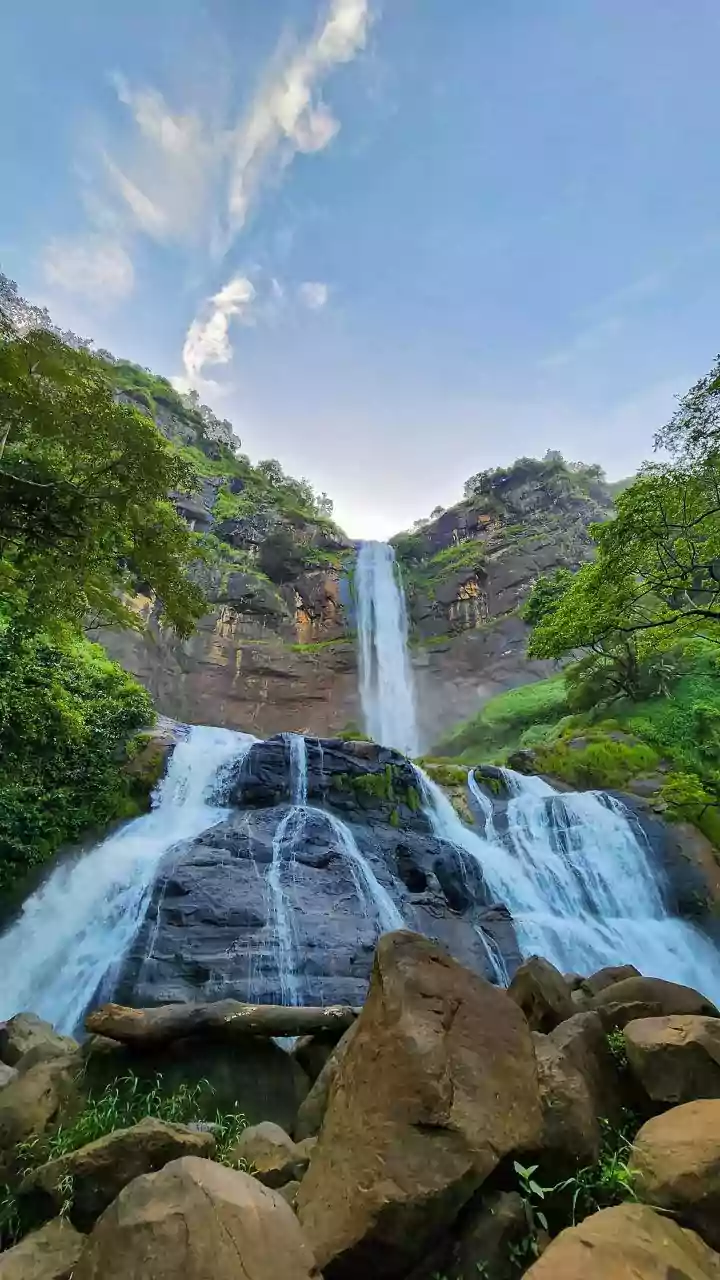
September is often described as a 'shoulder season' for travel in India, and for good reason. It offers a sweet spot between the peak monsoon and the crowded, expensive high season that begins in October. The most significant advantage is the scenery. Months of rain leave the countryside, hill stations, and national parks incredibly lush and vibrant. Waterfalls are still flowing, and the dust has settled, making for spectacular views. Furthermore, popular destinations are generally less crowded, allowing for a more relaxed experience. With tourist footfall still picking up, you can often find better deals on flights and accommodation, making it a budget-friendly time to explore.
Where to Go: Mountains, Plains, and Coasts
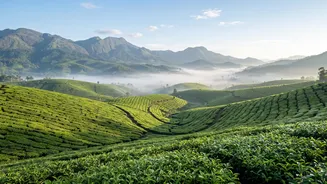
The transitional nature of September's weather means your destination choice matters. For mountain lovers, Ladakh and Spiti Valley in the Himalayas are prime choices, as the monsoon's retreat means clear skies and open roads. In Rajasthan, the intense summer heat has subsided, making cities like Udaipur and Jaipur pleasant to explore before the winter crowds arrive. Down south, the hill stations of Kerala and Karnataka, such as Munnar and Coorg, are at their most beautiful, draped in fresh greenery. Even coastal destinations like Goa offer a unique charm in September. The party season hasn't kicked off yet, providing a tranquil atmosphere with verdant landscapes and empty beaches—a perfect setting for a quiet getaway.
How to Pack for Unpredictable Weather
Packing for a trip in September requires a bit of strategy. Given the unpredictable nature of the retreating monsoon, it's wise to prepare for a mix of conditions. Even in areas where the monsoon has withdrawn, a sudden, short shower is not out of the question. Lightweight, quick-drying clothes are your best friend. Layering is key, so pack a mix of T-shirts, long-sleeved tops, and a light jacket or fleece, especially if you're heading to the mountains where evenings can get chilly. A waterproof jacket is essential, regardless of your destination. For footwear, choose something comfortable for walking that can also handle a bit of water, like sturdy sandals or waterproof shoes. And don't forget mosquito repellent, as the post-monsoon period can see an increase in insects.