





When choosing a healthy fruit snack, the options can be overwhelming. Let's settle one common debate: pineapple versus pear. Both are delicious and nutritious, but when it comes to fibre, one of them has a clear edge.
The Tropical Powerhouse: Pineapple
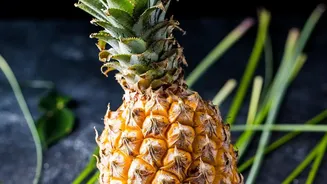
Pineapple is a beloved tropical fruit,
known for its unique sweet-tart flavour and impressive health benefits. A one-cup serving of pineapple chunks contains around 82 calories and is packed with nutrients. It's an excellent source of Vitamin C, providing nearly a full day's requirement in a single cup, which is vital for immune function and skin health. Pineapple also delivers a significant amount of manganese, a mineral crucial for bone health and metabolism. When it comes to fibre, a cup of pineapple offers about 2.3 grams. This helps support a healthy digestive system and contributes to feelings of fullness. What truly sets pineapple apart is its unique enzyme, bromelain. Found only in pineapple, bromelain has anti-inflammatory properties that may aid digestion, reduce muscle soreness after exercise, and even help speed up recovery after surgery by minimising swelling.
The Humble Hero: Pear
Often overlooked, the pear is a nutritional champion, especially in the fibre department. A single medium-sized pear contains about 101 calories and an impressive 5.5 to 6 grams of dietary fibre. This is more than double the amount found in a cup of pineapple and accounts for about 21% of the recommended daily intake. Pears are a fantastic source of both soluble and insoluble fibre. The insoluble fibre helps add bulk and maintain regularity, while the soluble fibre, particularly pectin, nourishes beneficial gut bacteria and can help lower 'bad' LDL cholesterol levels. Beyond fibre, pears provide a good dose of Vitamin K, essential for bone health and blood clotting, as well as potassium, which supports heart and muscle function. They are also considered a gut-friendly fruit, gentle on the digestive system, making them a great choice for all ages.
The Fibre Face-Off: Which is Better?
When the primary goal is to boost fibre intake, the pear is the undisputed winner. With approximately 3.1 grams of fibre per 100g compared to pineapple's 1.4 grams, the pear offers more than double the amount. A medium pear alone can provide a significant portion of your daily fibre needs, promoting digestive health and satiety. The type of fibre also matters. Pears' rich blend of soluble and insoluble fibre offers comprehensive benefits, from improving gut microbiome health to promoting regularity. While pineapple's fibre content is still valuable and contributes to a healthy diet, it simply can't match the quantity found in a pear. Therefore, if you are specifically looking to increase your fibre consumption to manage digestion or stay full longer, reaching for a pear is the more effective choice.
Beyond Fibre: A Full Nutritional Snapshot
While pear wins on fibre, the nutritional comparison isn't a one-sided story. Pineapple is the clear victor when it comes to Vitamin C, offering a massive dose that dwarfs the amount in a pear. Pineapple is also a far richer source of manganese. In terms of calories and sugar, both fruits are quite similar per 100g serving, with pineapple being slightly lower in calories but containing a similar amount of sugar. However, pineapple has a higher glycemic index (around 59-66) compared to the pear's low GI of about 38, meaning pineapple may raise blood sugar levels more quickly. The most significant difference is pineapple's exclusive bromelain content, which provides unique anti-inflammatory and digestive benefits that pears do not offer.
The Verdict: Which Fruit Should You Choose?
The 'better' fruit truly depends on your individual health goals. If your main objective is to maximise your dietary fibre intake for improved digestion and a feeling of fullness, the pear is the superior option. Its high fibre content is hard to beat. However, if you're looking for a potent immunity boost from Vitamin C or the unique anti-inflammatory benefits of bromelain to aid digestion or recovery from exercise, pineapple is the ideal choice. Both fruits are low in calories and fat, making them excellent, healthy additions to any diet. Rather than picking one over the other, the best approach is to enjoy both. Incorporating a variety of fruits into your diet ensures you receive a broader spectrum of nutrients, vitamins, and minerals. Enjoying a pear one day and some pineapple the next allows you to reap the distinct benefits of each.