



Beyond Fads and Superfoods
For years, the wellness world has been dominated by a parade of international superfoods, from quinoa to kale. While beneficial, this focus often overlooked a treasure trove of nutritional powerhouses right in our own backyard. Today, a significant shift
is underway. Consumers and nutrition experts alike are turning back to traditional Indian dietary principles, not out of mere nostalgia, but because of a growing understanding of their profound health benefits and sustainability. This movement is a conscious rejection of overly processed foods and a return to ingredients and methods that have nourished generations. It’s about rediscovering the logic of eating locally, seasonally, and holistically.
The Mighty Millet Revival
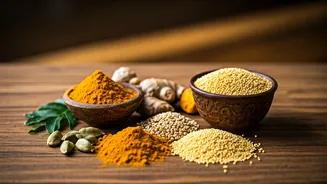
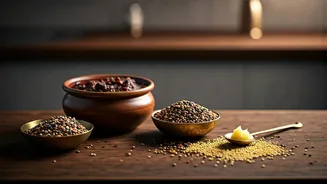
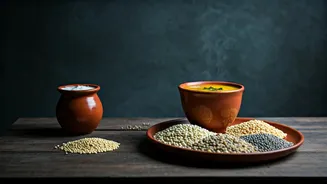
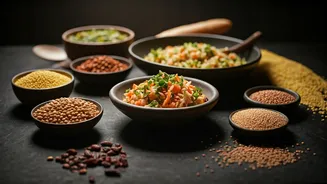
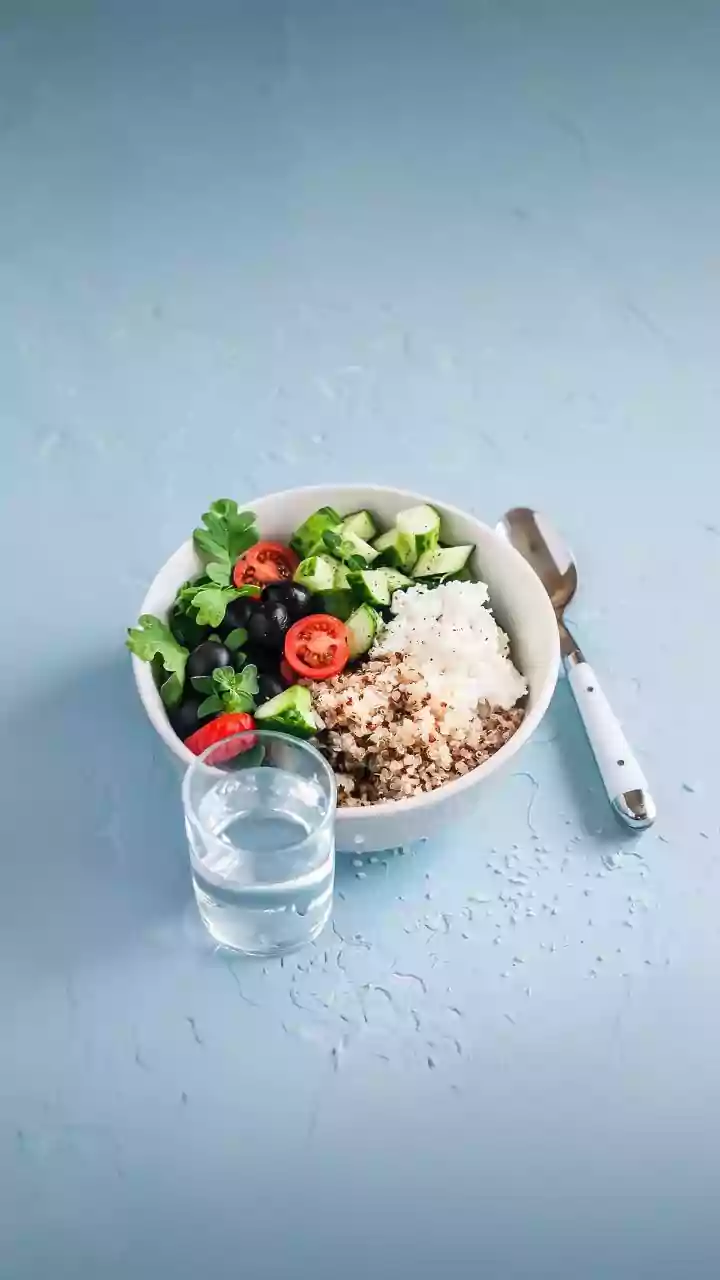
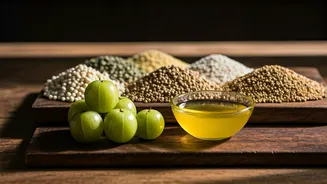
At the forefront of this culinary renaissance are millets. Once a staple across India, grains like jowar (sorghum), bajra (pearl millet), and ragi (finger millet) were sidelined by the large-scale cultivation of wheat and rice. Now, they are being celebrated for what they always were: climate-resilient, nutrient-dense powerhouses. Naturally gluten-free, rich in fibre, protein, and micronutrients, millets are a boon for managing blood sugar levels and improving digestive health. The United Nations’ declaration of 2023 as the International Year of Millets has only amplified this movement. Chefs and home cooks are creatively incorporating millets into everything from dosas and rotis to modern-day salads and breakfast bowls, proving that what’s ancient can also be incredibly versatile.
The Gut-Healing Power of Fermentation
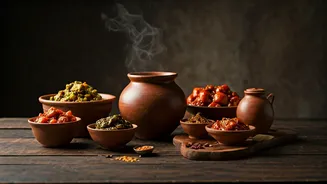
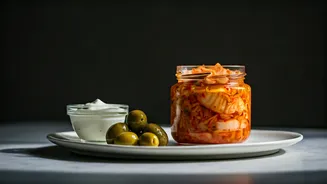
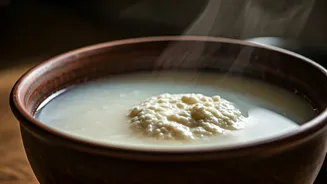
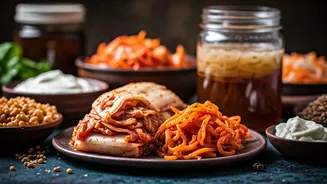
Long before probiotics became a billion-dollar industry, Indian households mastered the art of fermentation. This ancient technique of preserving food not only enhances its flavour but also transforms it into a gut-healing elixir. We’re not just talking about dahi. Think of the tangy kanji made from black carrots, the idli and dosa batter that ferments overnight, or the homemade pickles teeming with beneficial bacteria. These traditional foods are rich in probiotics, which are essential for maintaining a healthy gut microbiome. A healthy gut is linked to improved immunity, better mental health, and efficient digestion. By re-embracing these fermented staples, we are tapping into an age-old secret for robust, internal wellness.
Good Fats Are Back on the Table
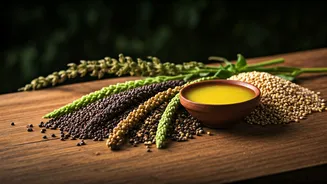
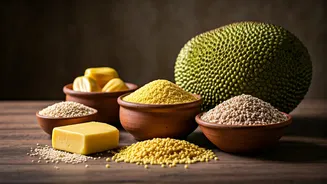
The low-fat craze of the past few decades led to the unfair vilification of traditional cooking fats. Ghee, in particular, was pushed aside in favour of refined vegetable oils. Today, science is vindicating what our ancestors knew all along: not all fats are created equal. High-quality fats like pure cow’s ghee, cold-pressed mustard oil, and coconut oil are making a triumphant return. Ghee is rich in fat-soluble vitamins and butyric acid, which supports gut health and reduces inflammation. Cold-pressed oils retain their natural nutrients and antioxidants, unlike their highly-processed counterparts. The key, as our elders practised, is moderation and using the right fat for the right purpose, bringing both flavour and function back to our meals.