




What Are Ultra-Processed Foods?
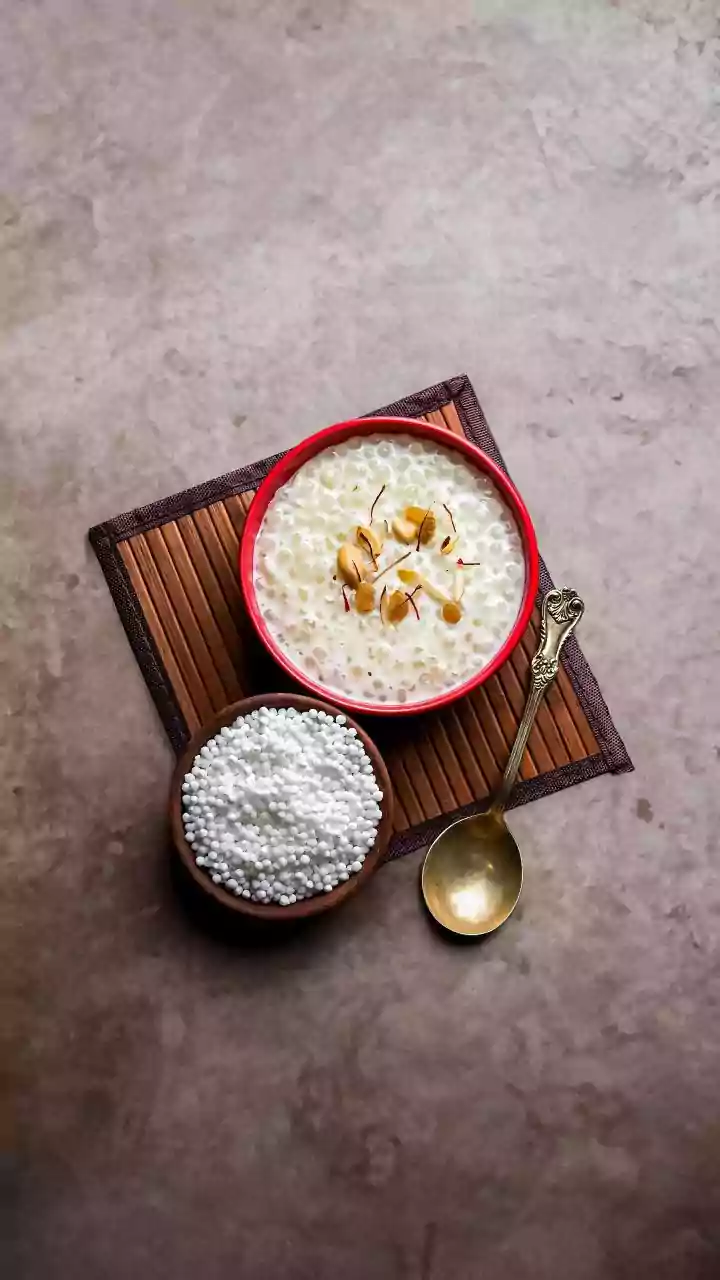
First, let's clarify what 'ultra-processed' actually means. The term comes from the NOVA classification system, which groups foods by their level of processing. Group 1 is unprocessed or minimally processed foods like fruits, vegetables, and grains. Group 4,
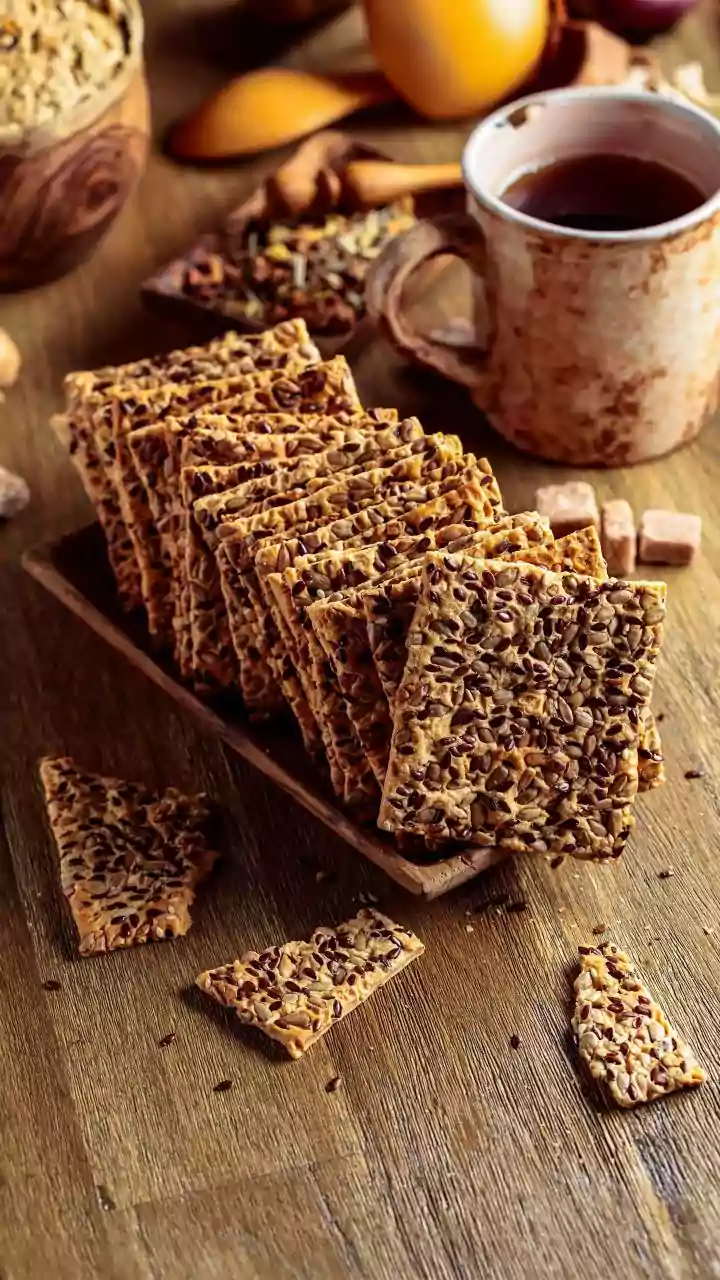
ultra-processed foods, are industrial formulations made mostly from substances extracted from foods, often with five or more ingredients, including additives to enhance flavour, texture, and shelf life. Think of mass-produced packaged breads, instant noodles, sugary cereals, many ready-to-eat meals, and carbonated drinks. These products often contain very little, if any, whole food.
The Heart of the Recent Debate
The conversation around UPFs has intensified recently, even in India. In an August 2026 reply in the Lok Sabha, the government acknowledged evidence from the Indian Council of Medical Research (ICMR) linking higher consumption of UPFs to increased risks of obesity, type 2 diabetes, and cardiovascular diseases. The concern is that these foods are often high in unhealthy fats, added sugar, and sodium, while being low in essential nutrients and fibre. Critics, however, argue that the 'ultra-processed' label can be too broad, lumping potentially different foods together. The debate isn't just about the ingredients, but the entire industrial process designed to create hyper-palatable and convenient products.
The Pitfall of All-or-Nothing Thinking
Hearing this, it’s easy to fall into a trap of labelling foods as 'good' or 'bad'. This all-or-nothing mindset often leads to a cycle of restriction followed by overindulgence and guilt. Labelling an entire category of food as forbidden is often impractical and can create unnecessary stress and anxiety around eating. If you feel you've 'failed' by eating one 'bad' item, it can trigger a feeling of giving up for the rest of the day. This black-and-white approach ignores the reality that food is also about culture, convenience, and enjoyment—not just a moral test. For many, especially in urban India, packaged foods are an unavoidable part of modern life.
Shifting to a More Balanced View
A healthier approach is to move away from perfectionism and embrace flexibility. Instead of trying to eliminate all UPFs, the goal can be to reduce their frequency and increase the proportion of whole and minimally processed foods in your diet. Think 'mostly and sometimes' rather than 'always and never'. The Dietary Guidelines for Indians, 2024, recommend minimising—not necessarily completely eliminating—UPFs and advise consumers to read food labels to make informed choices. The focus should be on what you eat most of the time. One snack or convenience meal doesn't derail an entire week of otherwise nutritious eating.
Practical Steps for Navigating the Aisles
So, how can you put this into practice? Start by adding, not just subtracting. Focus on incorporating more vegetables, fruits, lean proteins, and whole grains into your meals. When you do reach for a packaged item, become a savvy label reader. Look for shorter ingredient lists with names you recognise. Pay attention to the amounts of added sugar and sodium. Cooking at home more often naturally reduces your reliance on processed items. But when you are short on time or options, don't agonise. Make the best choice you can in the moment and move on without guilt. The goal is progress, not an impossible standard of perfection.